





The Old Gospel of Emptiness
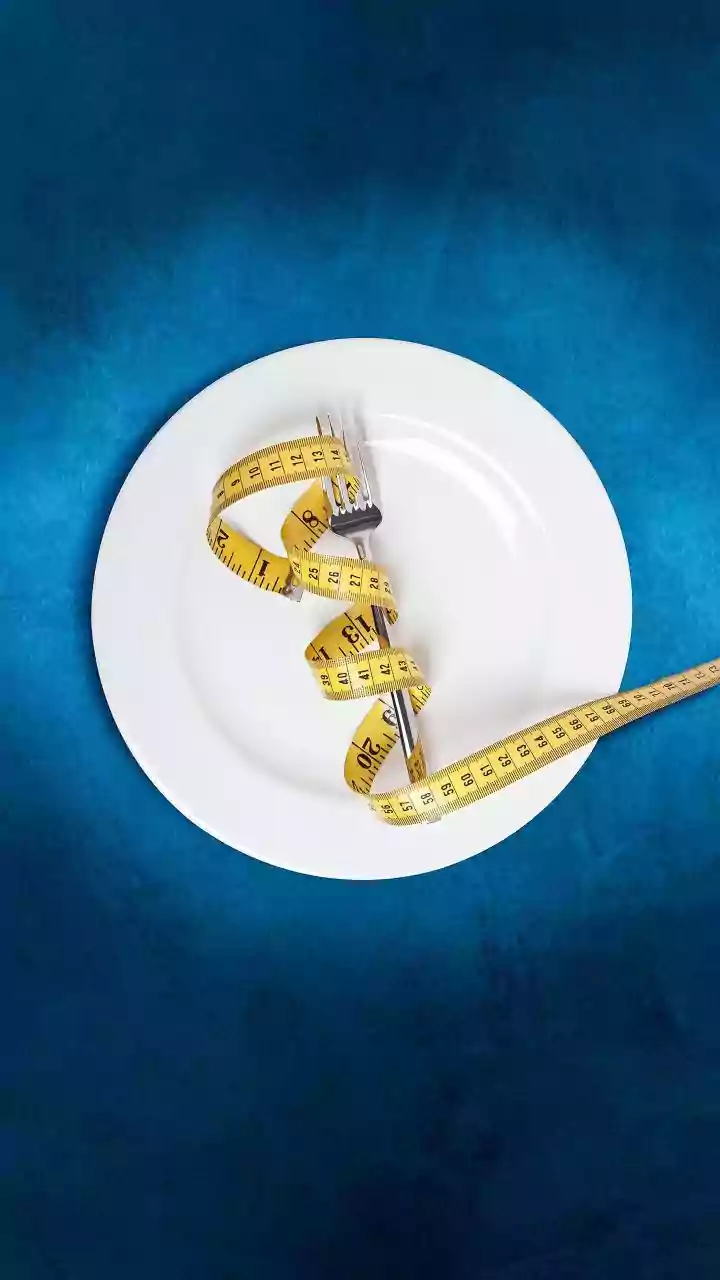
Remember the mantra? ‘Nothing tastes as good as skinny feels.’ For a long time, the wellness industry was built on a foundation of deprivation. It was a world of calorie counting, forbidden foods, ‘clean eating’ that bordered on clinical, and a constant,
low-grade hunger that was framed as discipline. Fullness was the enemy—a feeling to be avoided, a sign that you had ‘given in.’ Magazine covers praised celebrities for their post-baby ‘snap back,’ and wellness gurus sold detox teas designed to leave you feeling hollowed out. Health was conflated with thinness, and the path to achieving it was paved with restriction. This mindset didn’t just affect our plates; it shaped our self-worth, teaching us to mistrust our body’s signals and override them with external rules dictated by diet culture.
What 'Fullness as Wellness' Really Means
The emerging counter-narrative isn’t about promoting overeating; it’s about listening. At its core, treating fullness as wellness is about honouring your body’s natural hunger and satiety cues. This idea is central to the practice of Intuitive Eating, a framework developed by dietitians Evelyn Tribole and Elyse Resch. Instead of a diet, it’s a process of un-dieting. It encourages you to eat when you’re hungry and stop when you’re comfortably full, removing the morality attached to food choices. Fullness, in this context, is not a failure but a biological signal of satisfaction. It’s your body telling you it has received the energy it needs. This approach asks you to trust your internal wisdom over an external meal plan, fostering a peaceful relationship with food where no item is off-limits and guilt has no place at the table.
Redefining Health Beyond the Scale
A key part of this movement is the radical idea that weight is not the ultimate indicator of health. Proponents argue that wellness is multi-faceted, encompassing mental, emotional, and social well-being alongside physical health. This aligns with frameworks like Health at Every Size (HAES), which promotes the pursuit of healthy behaviours—like joyful movement and balanced eating—without the goal of weight loss. When you stop chasing a number on a scale, you can focus on how you feel. Do you have energy? Is your digestion comfortable? Are you sleeping well? Are you mentally at peace with your food choices? Fullness, as a measure of being adequately nourished and satisfied, becomes a positive data point in this broader, more holistic definition of what it means to be well.
The Experts Leading the Charge
This shift isn't just happening in fringe circles. It's being championed by a growing number of registered dietitians, therapists, and doctors who are tired of the harm caused by chronic dieting. On platforms like Instagram and TikTok, creators with legitimate credentials are dismantling diet myths and teaching followers how to reconnect with their bodies. They post content about adding nutrients to meals instead of taking things away, honouring cravings, and celebrating food for both fuel and pleasure. They’re replacing ‘what I eat in a day to lose weight’ videos with ‘what I eat in a day as an intuitive eater.’ By providing an evidence-based alternative to the noise of diet culture, they are empowering millions to reject restriction and find a more sustainable, joyful approach to health.
Can We Trust the Trend?
With any positive movement, there's a risk of co-option. The wellness industry is notoriously good at rebranding old ideas for profit. We are already seeing ‘intuitive eating’ being marketed as a new way to achieve weight loss, which completely misses the point. The challenge is to distinguish genuine anti-diet philosophy from diet culture dressed in new clothes. True fullness-as-wellness is about body neutrality or positivity, weight inclusivity, and freedom from food rules. If a brand or influencer is promoting ‘intuitive’ habits that conveniently lead to a specific body type or demonize certain foods, it’s likely just the old gospel of emptiness with a new marketing strategy. The power of this movement lies in its rejection of aesthetic goals in favour of genuine well-being.