








The Great Coffee Awakening
For decades, India's relationship with coffee was straightforward. It was either the comforting, frothy instant coffee whisked up in kitchens or the standardised, dark-roasted espresso served at rapidly expanding café chains. While these options offered
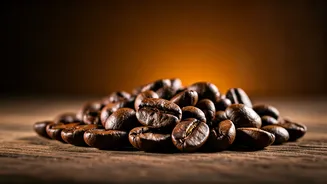
convenience and consistency, they rarely told a story about origin. Now, a significant shift is underway. A growing tribe of discerning consumers is looking past Italian-sounding names and generic '100% Arabica' labels. They are seeking out single-origin beans, asking about processing methods, and paying attention to tasting notes. This is India's 'third wave' of coffee, a movement prioritising quality, transparency, and the unique character of the bean itself.
Understanding Indian 'Terroir'
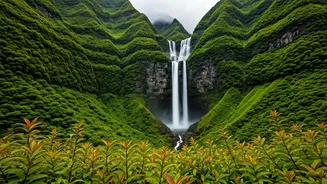
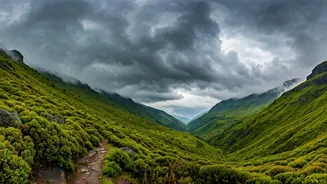
The secret to the flavour in your cup lies in a concept wine connoisseurs call 'terroir'—the unique environmental factors of a specific place, including its soil, climate, and altitude. This idea is now at the heart of India's coffee renaissance. The misty hills of Coorg in Karnataka, for instance, are known for producing robust, spicy, and full-bodied Robusta and Arabica beans, often grown under the shade of massive trees. Just a few hours away, Chikmagalur, the very birthplace of Indian coffee, offers beans with a milder acidity and a balanced body. The flavour profile of a coffee from this region is a direct reflection of its rich history and specific geography. By choosing a regional brew, consumers are not just buying coffee; they are tasting a place.
Spotlight on the Stars
While Karnataka's Coorg and Chikmagalur remain the traditional powerhouses, new and exciting regions are capturing the imagination of coffee lovers. The Araku Valley, straddling Andhra Pradesh and Odisha, has a particularly compelling story. Here, coffee cultivation is a social enterprise that has empowered local Adivasi communities. The coffee itself is certified organic and known for its unique flavour profile with fruity and citrusy notes, a result of the high altitude and rich biodiversity. Similarly, the plantations of Wayanad in Kerala and the lesser-known estates in Tamil Nadu's Yercaud are gaining recognition for their distinct offerings. This diversification means the Indian coffee landscape is more vibrant and varied than ever before.
From the Estate to Your Home
This boom wouldn't be possible without a new generation of Indian coffee brands and roasters. Companies like Blue Tokai, Third Wave Coffee Roasters, and a host of smaller, passionate players have revolutionised the supply chain. They work directly with estates, ensuring farmers get better prices and the recognition they deserve. Through elegant packaging and detailed online descriptions, they tell the story of each coffee—from the name of the estate and the farmer who grew it to the specific 'processing method' (washed, natural, or honey-processed) that shaped its taste. E-commerce has been a game-changer, allowing a coffee lover in Delhi to brew a cup of coffee harvested just weeks earlier on a small farm in the Western Ghats.
A Sip of National Pride
The preference for regional brews is more than just a culinary trend; it's a quiet expression of national pride. For years, the default assumption was that the best products were imported. The specialty coffee movement challenges that notion head-on. It celebrates the quality and diversity of what India produces, turning local names like Attikan Estate, Ratnagiri, or Kalledevarapura into marks of excellence. Consumers are realising that world-class coffee doesn't need to travel across oceans. It’s grown right here, in our own backyard. This shift signals a growing confidence in Indian agriculture and craftsmanship, fostering a deeper connection between the consumer and the producer.