


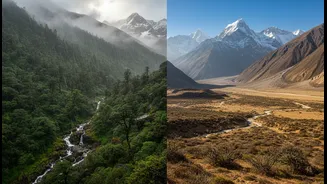


The Great Monsoon Migration
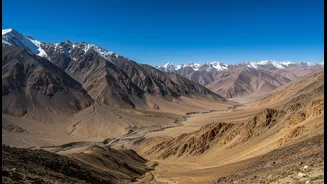
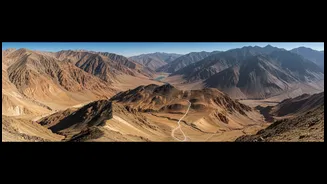
While destinations in Kerala, Maharashtra, and Uttarakhand are experiencing their annual deluge, a different story is unfolding in the trans-Himalayan regions of Ladakh and Spiti Valley. Once considered extreme destinations, they are now becoming the go-to
choice for those seeking to trade washouts and landslides for clear blue skies and epic road trips. This shift represents a smarter, more climate-aware approach to travel, where understanding geography leads to better holiday experiences. Instead of cancelling plans, travellers are simply redirecting them to where the sun is shining, fuelling a significant trend in domestic tourism.
Welcome to the Rain Shadow
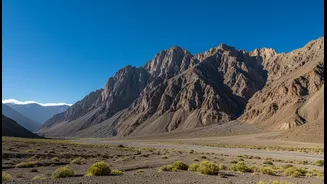
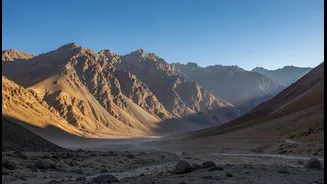
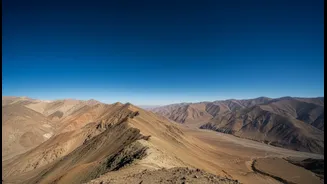
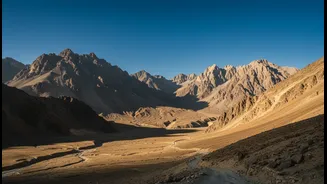
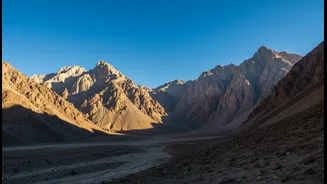
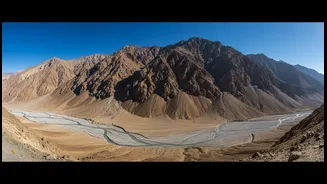
The secret to this sunny escape lies in a simple geographical phenomenon: the rain shadow effect. The towering Greater Himalayan ranges act as a colossal wall, blocking the moisture-laden monsoon clouds that sweep across the subcontinent from the south. These clouds exhaust their rain on the windward side, leaving the leeward side—where Spiti and Ladakh are located—arid and dry. The result is a cold desert climate that receives minimal rainfall, even in the peak monsoon months of July and August. This makes them ideal sanctuaries from the downpours affecting other regions.
Ladakh: Land of High Passes and Blue Lakes
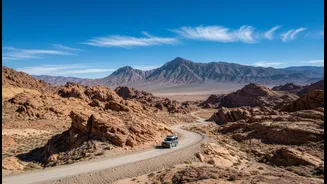
July is peak season in Ladakh for a reason. The weather is comfortably warm during the day, perfect for sightseeing, with daytime temperatures in Leh hovering around 20-25°C. All major roads and high passes, including the famed Khardung La and Chang La, are typically open, providing access to the region's spectacular sights. You can explore the surreal landscapes of the Nubra Valley with its sand dunes and double-humped camels, witness the breathtaking blue of Pangong Tso, and immerse yourself in the serene atmosphere of ancient monasteries like Thiksey and Diskit. With hotels and tourism services fully operational, it’s a vibrant time to visit, though booking in advance is wise.
Spiti: A World Within a World
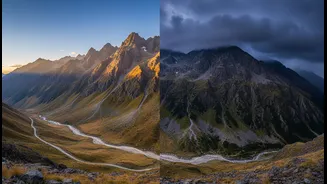
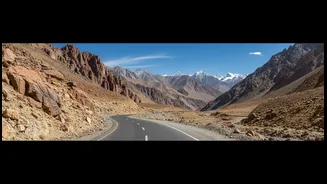
If Ladakh is a land of grand vistas, Spiti Valley offers a more raw, remote, and rugged adventure. July is one of the best months to visit, as both the Manali-Kaza and Shimla-Kaza highways are usually open. The valley itself remains dry, with pleasant daytime temperatures perfect for exploring. You can visit the iconic Key Monastery perched on a hilltop, send a postcard from the world's highest post office in Hikkim, and marvel at the pristine beauty of Chandratal, the 'Moon Lake'. The journey into Spiti is as much a part of the experience as the destination itself, with dramatic, ever-changing landscapes.
Plan for the Altitude, Not Just the Attitude
While the destinations are dry, the journey requires careful planning. The biggest challenge is Acute Mountain Sickness (AMS). Since you'll be travelling above 10,000 feet, acclimatization is non-negotiable. The golden rule is to ascend slowly, allowing your body to adjust. Spend at least a day or two in Leh or Kaza doing nothing before exploring further. Hydrate constantly by drinking 3-4 litres of water daily and avoid alcohol. Furthermore, while Spiti and Ladakh are dry, the approach roads from Manali and Shimla pass through monsoon-affected zones. Be prepared for potential delays due to landslides or swollen streams, and always build buffer days into your itinerary.