





The Thyroid’s Master Fuel
Your thyroid, the butterfly-shaped gland at the front of your neck, is the body's metabolic engine. It produces two critical hormones, thyroxine (T4) and triiodothyronine (T3), that travel through your bloodstream to regulate how your cells use energy.
These hormones are in charge of your heart rate, body temperature, and even brain development. But to create them, the thyroid gland must pull a key mineral from your diet: iodine. Iodine is the fundamental building block of both T3 and T4. Without it, production stalls, and the body's entire regulatory system can be thrown into disarray.
When the Tank Runs Low
When your diet lacks sufficient iodine, the thyroid gland cannot produce enough hormones. This condition is known as hypothyroidism, or an underactive thyroid. In an effort to compensate, the brain sends a continuous signal to the thyroid, telling it to work harder. This relentless stimulation can cause the gland to enlarge, creating a visible swelling in the neck called a goiter. Goiter is the most classic sign of iodine deficiency. Beyond this visible symptom, hypothyroidism slows your metabolism down, leading to a cascade of other issues.
Spotting the Deficiency Signs
The symptoms of iodine deficiency are often subtle and can be mistaken for other conditions. Common signs include persistent fatigue and weakness, unexplained weight gain, and increased sensitivity to cold. You might also experience dry or scaly skin, thinning hair, and a hoarse voice. Because thyroid hormones are crucial for brain function, a deficiency can lead to 'brain fog', confusion, and even depression. In women, it can cause menstrual irregularities and fertility problems. During pregnancy, a lack of iodine is particularly dangerous, as it can impair the baby's brain development.
India’s Success and Modern Risks
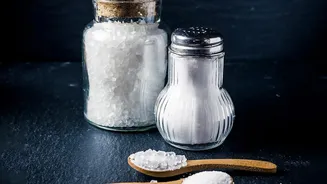
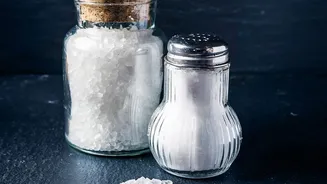
For decades, India has run a successful National Iodine Deficiency Disorders Control Programme, which started as the National Goitre Control Programme in 1962. The universal iodisation of salt has dramatically reduced goiter and other related disorders across the nation. It's estimated that over 90% of Indian households now use iodised salt. The recommended daily intake for most adults is around 150 micrograms (mcg). However, modern dietary trends, such as the increasing popularity of non-iodised 'gourmet' salts like pink salt and sea salt, could pose a new risk if they completely replace iodised salt in the diet.
How to Ensure You Get Enough Iodine
The simplest and most effective way to meet your daily iodine needs is by using iodised salt in your cooking. Beyond this, several foods are naturally rich in this essential mineral. Seafood, including sea fish like mackerel and shellfish, are excellent sources. Dairy products like milk and curd, as well as eggs, are also good, commonly available sources in the Indian diet. While many vegetables contain some iodine, the amount varies widely depending on the soil they were grown in. A balanced diet that includes these foods, alongside the consistent use of iodised salt, is the best strategy for maintaining healthy thyroid function.