






Understanding the Fibre Framework
Before we start upgrading our meals, let's quickly understand what fibre is. It's a type of carbohydrate found in plant foods that our bodies can't digest. [5, 4] Instead of being broken down, it travels through our digestive system, playing a crucial
role in our health. [4] There are two main types: soluble and insoluble. Soluble fibre dissolves in water to form a gel-like substance. [7, 1] This process slows down digestion, which helps control blood sugar and lower cholesterol. [1, 6] Insoluble fibre doesn't dissolve; it adds bulk to stool and helps things move along smoothly, preventing constipation. [1, 7] Most plant-based foods contain a mix of both, and both are essential for good health. [3]
The 'Useful' Benefits of Feeling Fuller
So, how does this make our comfort food more 'useful'? The primary benefit is satiety—the feeling of being full and satisfied. Because soluble fibre slows down how quickly food leaves your stomach, high-fibre meals keep you feeling full for longer without adding a lot of extra calories. [4, 3] This can help with weight management, as you're less likely to overeat or reach for snacks soon after a meal. [9, 8] Furthermore, by slowing the absorption of sugar, fibre helps prevent sharp spikes and crashes in blood glucose levels. [13, 1] This is not only crucial for individuals with diabetes but also helps maintain steady energy levels for everyone. [4, 13] A high-fibre diet also feeds the good bacteria in your gut, which is linked to better immune function and overall metabolic health. [6, 10]
Giving Your Favourites a Fibre Boost
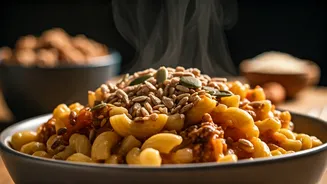
Now for the fun part: integrating fibre into the dishes you already love. This isn't about restriction; it's about smart additions. For creamy pasta or mac and cheese, start by swapping regular pasta for a whole-wheat version. [20] You can also blend cooked sweet potato, pumpkin, or cauliflower into your cheese sauce for a hidden boost of fibre and nutrients. [19] Topping it with roasted broccoli or tossing in some green peas adds both texture and benefits. When it comes to rich Indian curries like dal makhani or chana masala, the foundation is already strong with lentils and chickpeas. [17, 14] You can enhance them further by adding chopped spinach, fenugreek (methi), or carrots. Serve these dishes with brown rice or millets like jowar and bajra instead of white rice, and opt for whole wheat rotis. [11, 17] Even pizza can get a fibre makeover. Start with a whole-wheat base, go easy on the cheese, and load it up with vegetable toppings like bell peppers, onions, mushrooms, and olives. A sprinkle of flax seeds on top before baking adds a nutty flavour and a dose of healthy fats and fibre.
Easy Swaps and Pantry Staples
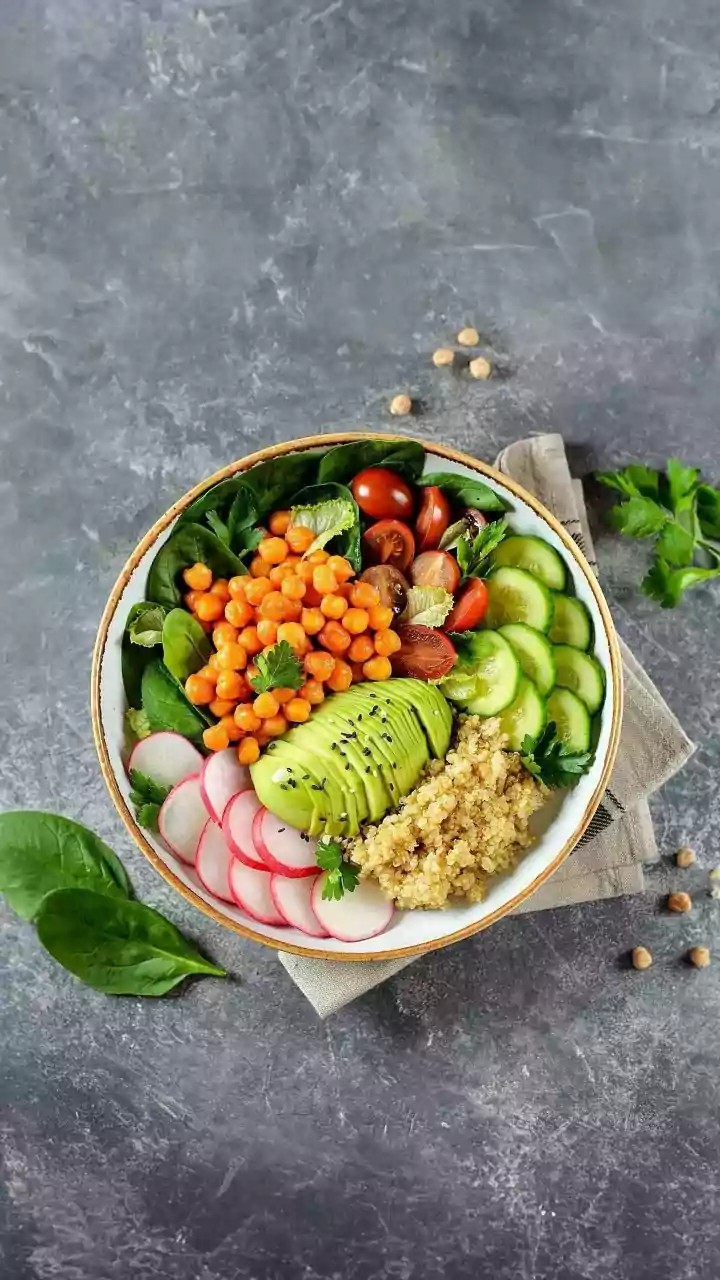
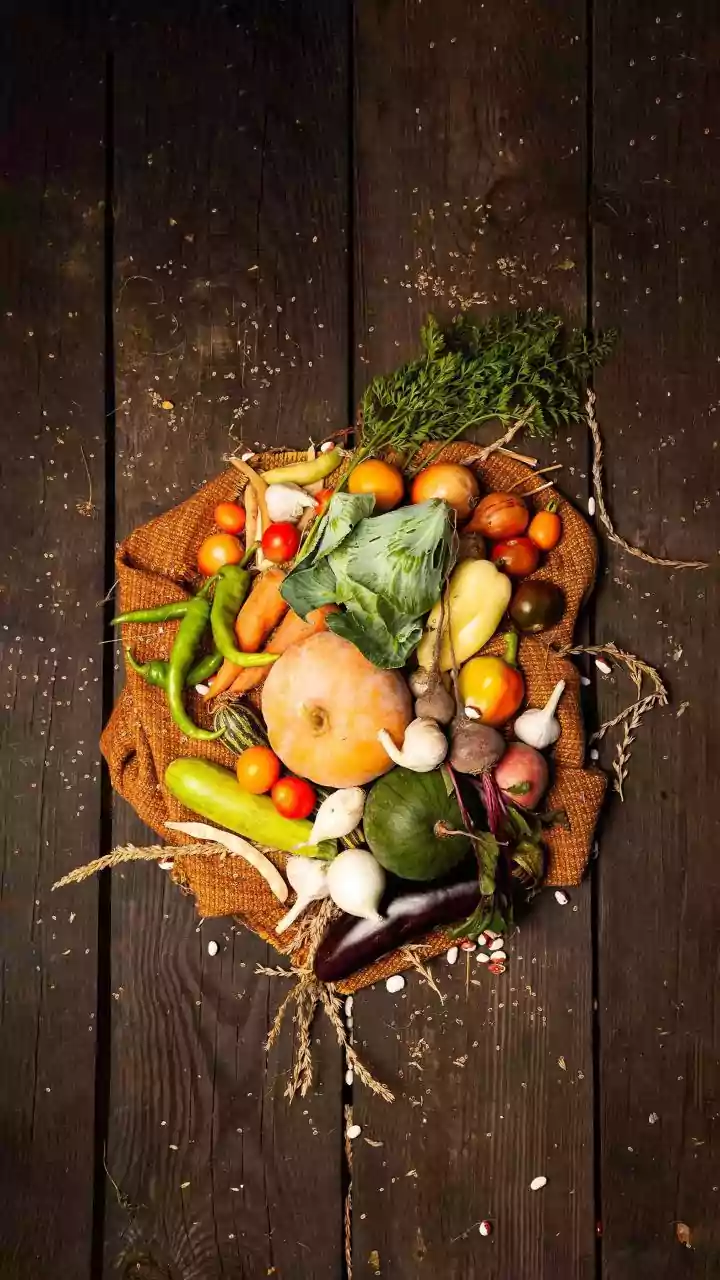
Making your diet more fibre-friendly can be as simple as keeping a few key ingredients on hand. Nuts and seeds like almonds, walnuts, chia seeds, and flax seeds are easy to sprinkle over porridge, yoghurt, or salads. [11] When baking, try replacing some of the refined flour (maida) with whole wheat flour (atta), oat flour, or millet flours like ragi. [17] Legumes are fibre powerhouses. [12] Beyond dals, try incorporating kidney beans (rajma), chickpeas (chana), and black-eyed peas into salads, soups, and even homemade veggie burgers. [14, 18] Finally, don't forget your fruits and vegetables. Guava, apples, bananas, leafy greens, and cruciferous vegetables like broccoli and cabbage are all excellent sources that can be easily added to any meal. [16, 11]