







Beyond Better Materials
The dream of a truly sustainable wardrobe has often felt just out of reach, limited by the complexities of global supply chains and the challenges of recycling. While conscious consumerism has pushed brands toward better materials, the fundamental problems
of waste and opacity have remained. Now, technology is offering a much-needed upgrade. We're moving beyond simply choosing better fabrics and entering an era where data and intelligent systems are creating a new foundation for eco-friendly fashion. These advancements aren't just incremental improvements; they are powerful tools that are reshaping everything from how our clothes are made to what happens to them when we're done.
AI and Robotics: The Recycling Revolution
One of the biggest hurdles for circular fashion is textile waste. Millions of tons of clothing end up in landfills annually, partly because sorting mixed-fibre garments for recycling is a labour-intensive and often impossible task. Enter Artificial Intelligence. In 2026, AI-powered systems are revolutionizing recycling facilities. Using advanced computer vision, these machines can identify different fabric compositions with over 95% accuracy in seconds. Neural networks, trained on thousands of images, can distinguish between cotton, polyester, wool, and complex blends, and even detect contaminants. This allows for high-quality sorting at a scale that was previously unimaginable, turning old clothes back into valuable raw materials and significantly reducing the need for virgin resources.
Digital Passports: The End of Opaque Supply Chains
Have you ever wondered about the true story behind your t-shirt? A new technology called the Digital Product Passport (DPP) is making that possible. By scanning a simple QR code on a garment, consumers can access a secure digital record of its entire lifecycle. Powered by blockchain technology, this 'digital twin' provides an unalterable history of the product, from the farm where the cotton was grown to the factory where it was stitched. This level of transparency helps verify claims about ethical labour, environmental impact, and material origins. With regulations like the EU's Ecodesign for Sustainable Products Regulation making DPPs mandatory for textiles by 2030, this technology is set to become a standard feature, empowering consumers to make genuinely informed choices.
Smarter Shopping: Reducing Waste Before It Happens
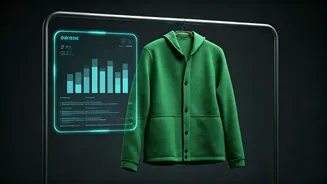
The environmental cost of online shopping returns is enormous, from carbon emissions during shipping to the fact that many returned items are never resold. Augmented Reality (AR) and AI are tackling this problem head-on. Virtual try-on tools now allow shoppers to see how a garment will fit and look on their own body with increasing realism. By using a smartphone camera, customers can reduce sizing errors, which are responsible for up to 40% of online clothing returns. This not only creates a better shopping experience but also prevents waste at the source. By generating data on which styles and fits are most popular before mass production even begins, brands can better forecast demand and avoid overproduction.
The Next Generation of Fabrics
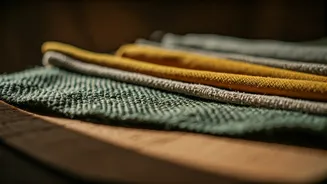
Technological innovation is also happening at the fibre level. Scientists and designers are developing bio-engineered 'smart textiles' that are both high-performing and biodegradable. Imagine fabrics grown from algae or mushrooms that can decompose in a few months, or textiles with self-healing properties that extend a garment's life. Researchers are creating e-textiles with inkjet-printed sensors on biodegradable fabrics like Tencel, which can monitor biometrics like heart rate and then safely break down at the end of their life. These advancements are blurring the lines between nature and technology, paving the way for clothing that is truly in sync with the planet.