






From Concrete Jungles to Cosmic Sanctuaries
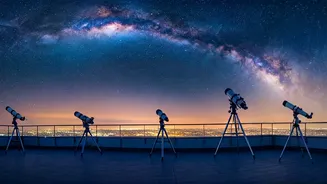
Rooftops in urban India have always been vibrant, multi-purpose spaces—for drying clothes, hosting evening chai sessions, or flying kites. Now, they are serving a new, more celestial purpose. A burgeoning trend of amateur astronomy has taken hold, with
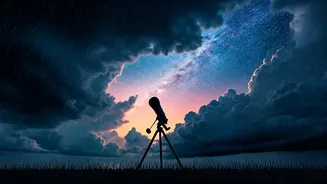
enthusiasts of all ages setting up telescopes and binoculars to gaze at the moon, planets, and distant galaxies. This shift is partly a response to the confines of city life, offering a way to connect with the vastness of nature without leaving home. The pandemic also played a role, as lockdowns prompted many to seek new hobbies, with stargazing emerging as a perfect, socially distanced activity that sparked a lasting passion.
The New Astronomy Toolkit
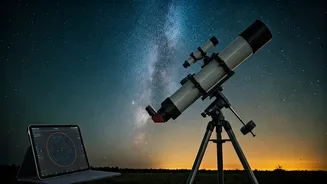
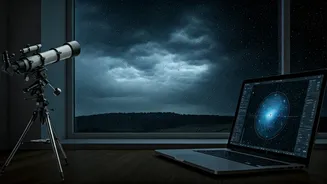
Driving this trend is the increased accessibility of a new generation of astronomical tools. It’s no longer a hobby reserved for those with expensive, complex equipment. Affordable and user-friendly telescopes from brands like Celestron and Orion are widely available online. More significantly, the smartphone has become an amateur astronomer's best friend. A host of apps can identify constellations, track satellites, and even help align telescopes, democratizing knowledge that was once the domain of experts. Online communities and social media influencers focused on astronomy provide tutorials, share breathtaking images, and foster a sense of community, encouraging newcomers to join in.
A Nationwide Movement
This isn't just a handful of isolated hobbyists; it's a nationwide movement. Prime Minister Narendra Modi recently highlighted the growing popularity of astronomy clubs across the country, from big cities to small towns. Organizations like the Bangalore Astronomical Society, Jyotirvidya Parisanstha in Pune (one of the country's oldest), and Aastro Kerala are seeing a surge in interest. These clubs and private companies like Starscapes and Stargazing India organize workshops, observation sessions, and astro-tourism trips, catering to a public whose curiosity has been ignited by India's own space missions like Chandrayaan and Mangalyaan.
The Battle Against City Lights
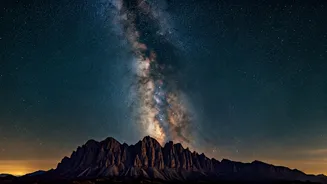
The biggest challenge for the urban stargazer is a formidable one: light pollution. The constant glow from streetlights, buildings, and advertising boards creates a phenomenon called 'skyglow' that washes out all but the brightest celestial objects. In many Indian cities, seeing the Milky Way is now impossible. Enthusiasts, however, are resourceful. Some use special filters to cut through the haze, while many organize trips to 'dark sky' locations on the outskirts of cities or in remote regions like Ladakh, which is home to India's first Dark Sky Reserve. This has also given rise to astro-tourism, creating economic opportunities for local communities in these pristine areas.
More Than Just a Hobby
Ultimately, the turn towards rooftop astronomy is about more than just seeing stars. For many, it's a meditative escape from the stresses of daily life and a way to gain a new perspective. It fosters a scientific temperament and a sense of wonder, especially among younger generations. Looking at the craters on the moon, the rings of Saturn, or a distant nebula through a telescope is a profound experience that connects us to the universe and our place within it. It’s a reminder that even in a crowded, light-polluted city, a slice of the cosmos is waiting to be discovered right above our heads.