






The Nine-SIM Rule, Explained
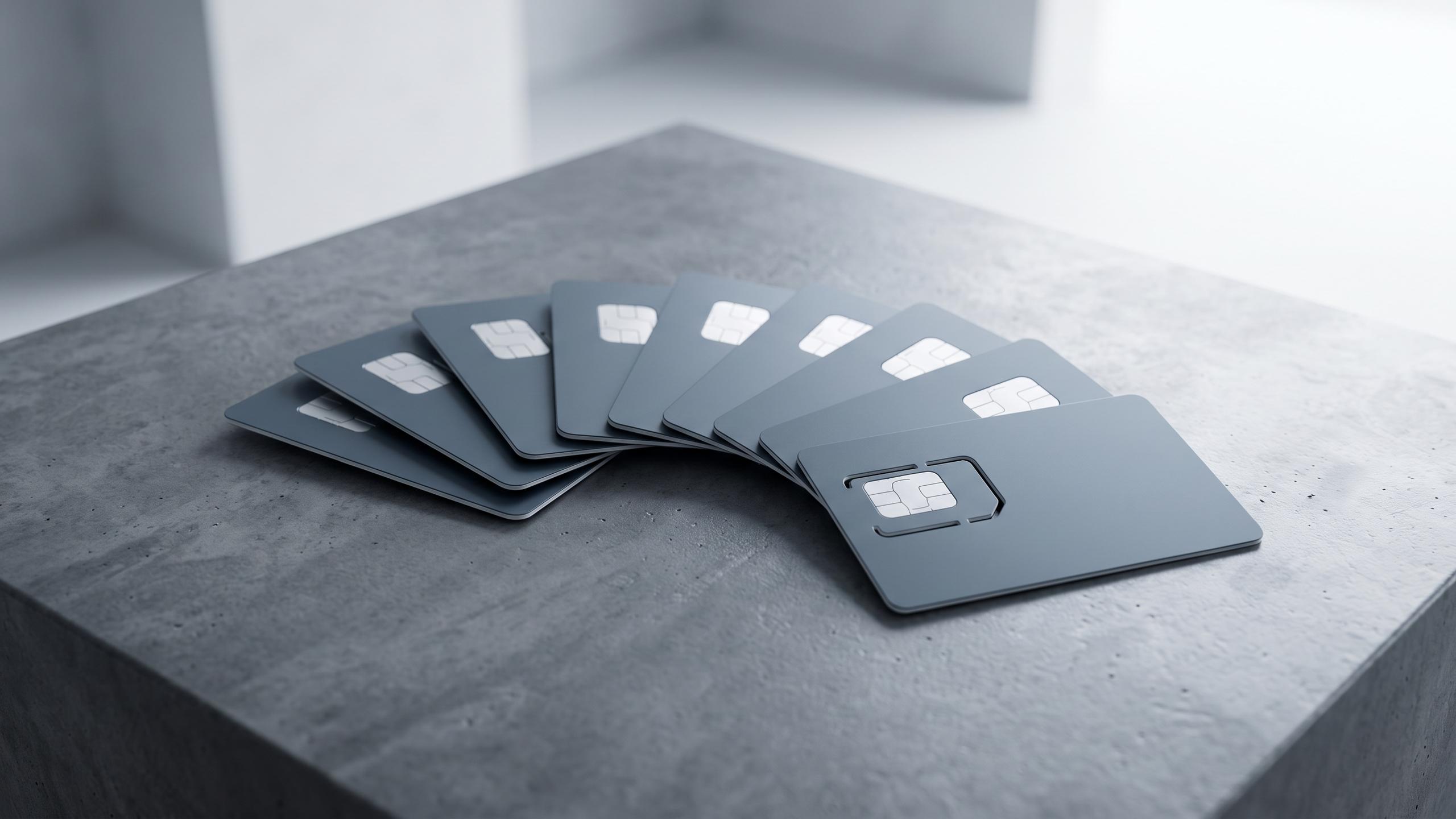
For years, the Department of Telecommunications (DoT) has set a cap on the number of SIM cards an individual can register in their name. For most of India, this limit is nine mobile connections. This cap is cumulative across all telecom operators, meaning
the total count includes your connections from Jio, Airtel, Vi, and BSNL combined. However, for security reasons, the limit is lower in certain regions. In Jammu and Kashmir, Assam, and the North-Eastern states, an individual is permitted to hold a maximum of six SIM cards. The rule itself is not new, having been established over a decade ago. What has changed is the government's commitment to strictly enforcing it.
Why the Crackdown Now?
The primary driver behind this intensified enforcement is the government's effort to combat rising digital fraud. Criminals often use fraudulently obtained SIM cards for illegal activities like phishing, financial scams, impersonation, and other cybercrimes. By making it harder to accumulate numerous connections under a single identity, the DoT aims to shrink the pool of mobile numbers available for misuse. The new system is designed to give telecom operators a comprehensive view of all connections tied to an individual, preventing people from simply hopping between providers to bypass the cap.
The Role of the Digital Intelligence Platform
To make this enforcement possible, the DoT is leveraging its Digital Intelligence Platform (DIP). Starting August 23, 2026, telecom operators can access this centralised system, which contains subscriber information from all providers. The DIP will even include a representative photograph of subscribers who have already reached their nine-SIM limit. When a person applies for a new SIM, the telecom operator is now required to cross-check their details against the DIP. If the applicant has already reached their limit, the operator must deny the request for a new connection.
What if You Already Have More Than Nine?
If you currently have more than nine SIMs, they will not all be disconnected automatically. However, any connection acquired beyond the ninth one is subject to deactivation. More importantly, you will be barred from acquiring any new connections. Telecom operators have until November 30, 2026, to fully integrate their systems with the DIP for real-time checks. In the interim, if a tenth SIM is mistakenly issued, it may be temporarily suspended until the matter is resolved. It's important to note that simply exceeding the limit is an administrative issue, not a criminal offence, unless the SIM was obtained through fraudulent means.
How to Check Your Registered SIMs
It is wise to check how many SIM cards are currently active in your name, as you may have old, forgotten numbers. The government has made this easy through the Sanchar Saathi portal and its TAFCOP (Telecom Analytics for Fraud Management and Consumer Protection) tool. To check, visit the official Sanchar Saathi website (sancharsaathi.gov.in), navigate to 'Know Your Mobile Connections', enter your mobile number, and validate with the OTP sent to your phone. The portal will display a list of all mobile numbers registered under your identity. If you find any numbers you don't recognise or no longer use, you can report them directly on the portal as 'Not my number' or 'Not required'. The telecom operator will then re-verify and deactivate the flagged numbers.