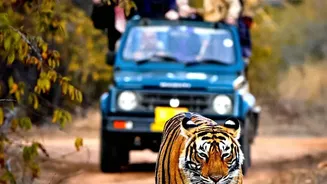

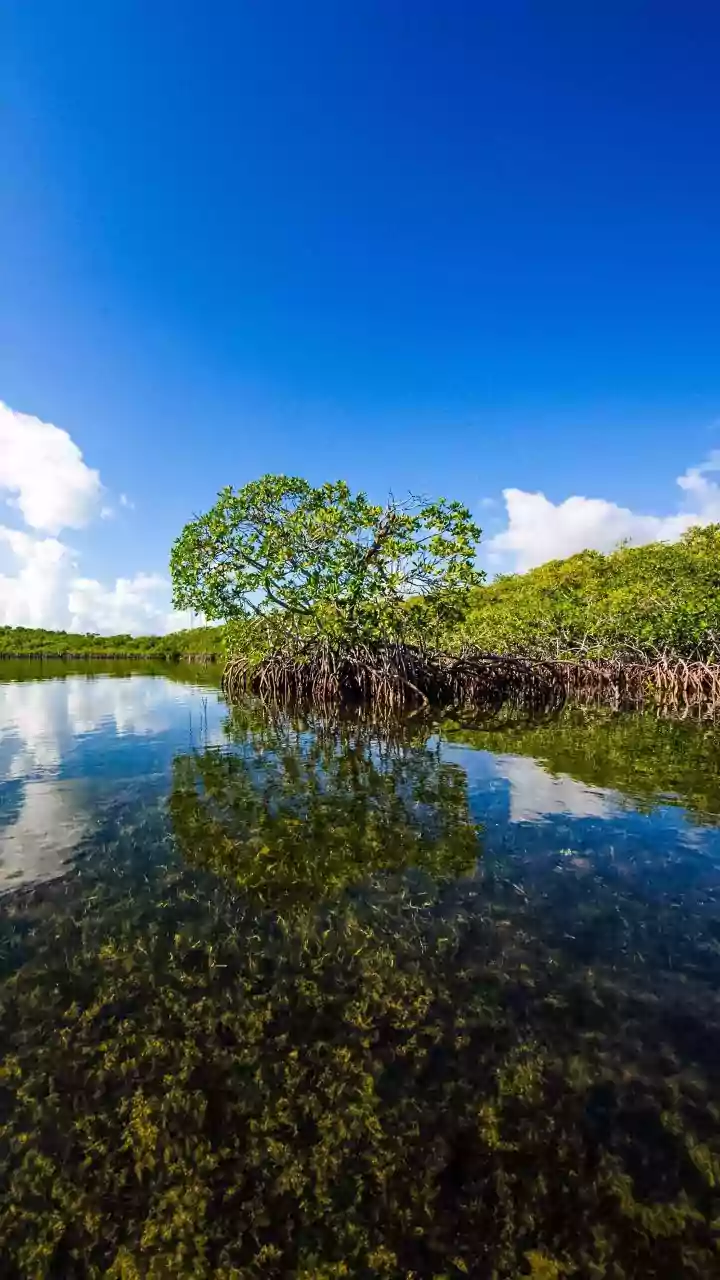



The Foundation: A Home Fit for a King
A tiger cannot be moved to just any forest. Before a reintroduction is even considered, conservationists and scientists undertake a meticulous feasibility study of the potential habitat. The primary goal is to ensure the area can support a viable, free-ranging
tiger population with minimal long-term management. This involves confirming three critical factors: a sufficient prey base, adequate space, and the absence of overwhelming threats. Scientists assess the density of prey animals like deer and wild boar. The habitat must also be large enough, often 800-1200 sq. km., to support a breeding population. Lastly, human pressures are evaluated. This includes the voluntary relocation of villages from core areas, a complex but often necessary step to create an inviolate space for wildlife to recover, with compensation and support provided to communities.
Choosing the Right Candidate
Not every tiger is suitable for translocation. The National Tiger Conservation Authority (NTCA) has strict protocols for selecting individuals. Preference is given to wild tigers over captive ones to ensure they possess the necessary survival skills. Genetic health is paramount; the chosen tiger should ideally be from a nearby population to maintain genetic similarity to the original tigers of the area. Age is also a key consideration. Young sub-adult tigers, typically between two and three years old, are often ideal candidates. They are old enough to be independent but have not yet established a strong territory, making their removal less disruptive to the source population and their adaptation to a new home more likely.
The High-Stakes Journey
The physical act of moving a tiger is a high-stakes, scientifically precise operation. Once a suitable tiger is identified, a team of veterinarians and wildlife biologists carefully tranquilises it. Health checks are performed, and samples are taken for genetic analysis. The tiger is then fitted with a satellite or radio collar. This device is crucial for post-release monitoring, allowing teams to track the animal's movement, behaviour, and health in its new environment. The sedated tiger is then transported in a specially designed crate, with its well-being monitored throughout the journey to minimise stress and ensure it arrives safely at its destination.
A Soft Landing and New Beginnings
Upon arrival, the tiger isn't immediately released into the wild. It is first moved into a large, fenced-in acclimatisation enclosure, known as a 'boma', within the new reserve. This 'soft release' approach is a critical safety measure. The boma contains a natural habitat and may be stocked with live prey, allowing the tiger to gradually adjust to the new sights, sounds, and scents of the area. It also gives the animal time to recover from the stress of translocation. During this period, which can last several weeks, the tiger is monitored 24/7 by a dedicated team. Only when the experts are confident that the tiger is settled and ready is the gate to the boma opened, allowing it to step into its new home.
Monitoring, Management, and Coexistence
The work is far from over after the release. Intensive monitoring through radio telemetry, camera traps, and ground patrols begins immediately. This helps track the tiger's integration into the ecosystem and identify any potential issues, such as conflicts with existing wildlife or straying into human areas. Simultaneously, a huge part of ensuring the project's long-term safety and success lies with the local communities. Conservation teams work extensively with villages bordering the reserve, conducting awareness campaigns and establishing rapid response teams to mitigate any human-wildlife conflict. By involving local people as partners in conservation, providing alternative livelihoods, and fostering a sense of shared stewardship, these programmes aim to create a landscape where both tigers and humans can thrive.