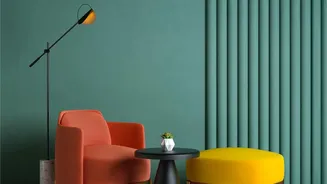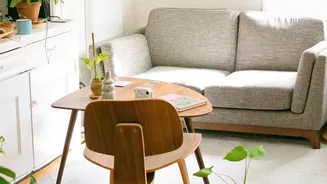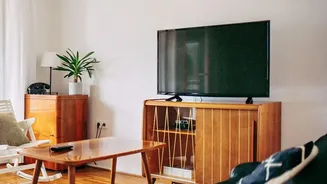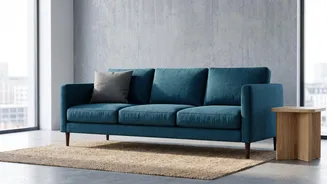





The Upfront Cost: A Clear Winner
For young professionals managing a tight budget after paying a security deposit and first month's rent, renting furniture is the undisputed winner in the short term. Buying even basic furniture for a 1BHK can cost anywhere from ₹60,000 to over a lakh.
In contrast, renting requires only a small, refundable security deposit and the first month's rent. For example, a complete living room set might be rented for ₹3,000 to ₹8,000 per month. This allows you to set up a comfortable home without draining your savings, making it a highly attractive option for those just starting their careers or relocating to a new city.
The Break-Even Point: When Buying Makes Sense
While renting is cheaper initially, the costs accumulate over time. The crucial question is, at what point does buying become the more economical choice? Most analyses suggest that the break-even point is typically between two to three years. If you rent a furniture package for ₹5,000 a month, you will have spent ₹1,20,000 in two years. This amount could have covered the cost of buying decent quality furniture outright. Therefore, if you are certain you will be staying in one place for more than three years, buying is the financially superior long-term strategy. For shorter tenures, renting almost always saves you money.
Flexibility: The Renter’s Biggest Advantage
The modern professional life is often nomadic, with job changes and city relocations becoming common. This is where renting offers its greatest advantage: flexibility. If you get a new job in another city, you can simply end your rental subscription and return the furniture. Buying, on the other hand, locks you down. You either face the significant hassle and cost of hiring packers and movers or are forced to sell your belongings at a steep loss. Furniture can lose 40-60% of its value within the first two years, making resale a painful exercise. For those who value mobility, renting provides priceless peace of mind.
Quality, Style, and Customisation
When you buy furniture, you have complete control over the style, material, and quality. You can choose solid sheesham wood pieces that last for decades or find that perfect sofa that matches your aesthetic. Rental furniture, while functional, is often generic and chosen for durability over style. You are limited to the catalogue of the rental company, which may not align with your personal taste. Furthermore, the quality of rental items can be inconsistent, with some customers reporting receiving pieces with visible wear and tear. If creating a personalized, stylish home is a priority, buying gives you the freedom that renting cannot match.
Maintenance and Hidden Costs
The sticker price of purchased furniture is rarely the final cost. You need to account for delivery charges, assembly fees, and potential repair costs down the line. Some sellers may even charge extra for delivery to higher floors. In contrast, most furniture rental companies include free delivery, assembly, and maintenance in their monthly fee. If a rented sofa leg breaks or a table gets wobbly, the company is responsible for repairs or replacement, offering a hassle-free experience. This convenience is a major selling point for busy professionals who prefer not to deal with maintenance issues.
The Final Verdict: What’s Right for You?
Ultimately, the decision to rent or buy depends entirely on your personal circumstances and priorities. Ask yourself these key questions: How long do you realistically plan to stay in your current flat and city? If the answer is less than two or three years, renting is the smarter financial choice. How important is lifestyle flexibility to you? If you anticipate moving for your career, the convenience of renting is hard to beat. What is your upfront budget? If you have limited savings, renting is the practical way to furnish your home immediately. Finally, how much do you value personal style and long-term ownership? If you want to build a home that reflects your personality and view furniture as an investment, buying is the way to go.