


More Than Just an Accessory
In India, wedding jewellery is never just about adornment; it's a language of its own, speaking of prosperity, heritage, and blessings. Gold is considered auspicious, a symbol of wealth and security, with an estimated half of the country's annual gold
demand linked directly to weddings. For generations, the jewellery a bride wears has been part of her 'stridhan'—wealth that is exclusively hers. This deep-rooted cultural significance ensures that as millions of weddings take place, there is a parallel surge in demand for handcrafted ornaments, creating a vital economic lifeline for artisans across the country. This seasonal boom is a macroeconomic event in itself, activating dense supply chains from small-town workshops to bustling city markets.
A World of Artistry
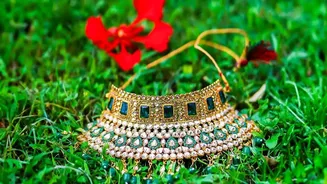
The diversity of Indian bridal jewellery reflects the country's rich tapestry of regional cultures. In the north, Mughal-era techniques like Kundan, Polki, and Jadau dominate. Kundan involves setting polished glass or gemstones into a gold framework, while Polki uses raw, uncut diamonds for a more organic sparkle. Jadau is the intricate method of embedding these stones into gold, often finished with vibrant Meenakari (enamel work) on the reverse, making the piece beautiful from every angle. In the south, the preference is for Temple jewellery, characterized by motifs of deities, peacocks, and floral patterns crafted in brilliant gold, designed to be worn with Kanjeevaram silks.
The Hands Behind the Sparkle
For countless karigars (artisans), the wedding season is the most crucial time of the year. Their livelihoods are directly tied to this period of high demand. However, these skilled craftspeople face a host of modern challenges. The rising costs of precious metals like gold and silver can make their creations unaffordable for some, pushing consumers toward cheaper, machine-made alternatives. This not only impacts their income but also threatens to dilute a centuries-old craft. Furthermore, many artisans in rural areas struggle with a lack of digital literacy to market their work online and face competition from large, branded jewellery houses. A shortage of skilled labour is another growing concern, with fewer young people entering the trade.
Tradition Meets Modern Trends
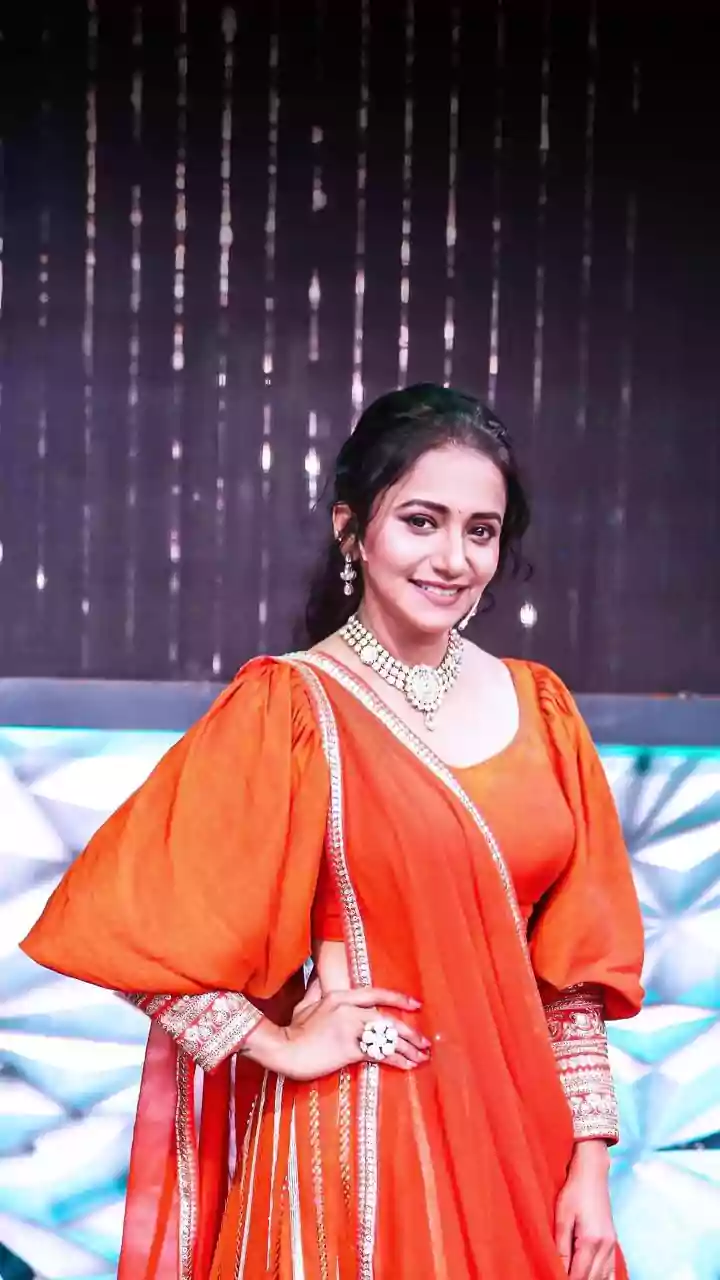
Today's brides are increasingly finding ways to honour tradition while expressing their personal style. While classic Polki and Temple jewellery sets remain perennial favourites, there is a growing trend towards pieces that are versatile and can be worn again after the wedding. Many are opting for lighter-weight jewellery that gives a 'heavy look' through clever craftsmanship rather than sheer grammage. Statement earrings, pastel-toned gemstones, and the mixing of modern and traditional motifs are also popular choices for 2026 brides. This fusion approach, championed by celebrity weddings, ensures that heritage crafts don't just survive but evolve, remaining relevant and cherished by a new generation.