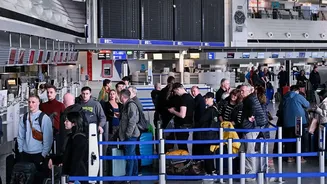








The Psychology of Waiting
The frustration of waiting isn't just about the time lost; it's about the experience. Research into the psychology of queuing shows that unoccupied and uncertain waits feel significantly longer than they actually are. A line with no clear end, a lack
of information, and a feeling of unfairness (like when another line moves faster) all increase anxiety. This anxiety makes the wait feel more stressful and agonizing. When you’re standing in a disorganised queue, your brain isn't just bored; it's in a state of nervous anticipation, wondering if you're in the right place or if you've been forgotten. This loss of control is a primary source of travel stress, turning a simple wait into a mentally draining experience even before your journey has truly begun.
Mastering the Airport Gauntlet
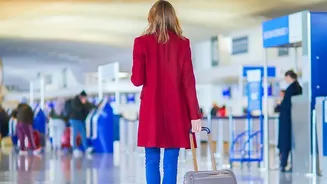
While you can't control the crowds, you can control your preparation. Arriving early is the simplest way to reduce time pressure and pre-flight stress. The journey through an airport can involve walking long distances; some major airports have gate-to-gate walks of over a mile. Beyond just showing up early, using airline apps to check in and receive digital boarding passes is essential. Prepare for security by packing liquids correctly and ensuring laptops are easily accessible. Wearing comfortable, layered clothing and shoes that are easy to remove can also speed up your personal process. These small routines provide a sense of comfort and predictability, which helps counteract the feeling of uncertainty that fuels so much airport anxiety.
Understanding the Domino Effect of Delays
A flight delay is rarely an isolated event. Air travel is a vast, interconnected system where a single issue can cause a cascade of problems. The most common reasons for delays include weather, which can affect an airport hundreds of miles away that your plane is coming from. Technical or maintenance issues are another major factor; for safety, even minor problems require thorough checks that cannot be rushed. Air traffic control congestion can also lead to ground stops, holding planes at their gates to manage traffic at the destination airport. Finally, a late-arriving aircraft is a frequent culprit, as airlines use the same plane for multiple flights a day. A delay on its first flight of the morning can mean it runs late for every subsequent journey.
Your Phone is Your Best Ally
In the event of a delay, your smartphone is your most powerful tool for regaining control. Download your airline’s app and enable notifications before you even leave for the airport. This is often the fastest way to get updates on delays, gate changes, or cancellations, sometimes even before they are announced at the gate. Use third-party flight tracking apps, which can sometimes provide information even faster than the airline. If you need to rebook, using the app is almost always quicker than standing in a long customer service line. Have the airline's customer service number saved in your phone as well; calling can be a faster way to get rebooked. Knowing your rights as a passenger is also crucial, as regulations in many regions entitle you to assistance like meal vouchers or accommodation for significant delays.
Turning Wasted Time into Found Time
Once you've managed the logistics of a delay, the next challenge is the wait itself. Instead of passively scrolling, reframe this as 'found time'. Prepare a 'delay kit' in your carry-on: a good book, noise-canceling headphones, a portable charger, and pre-downloaded podcasts, music, or movies. Simple breathing exercises, such as the 4-7-8 method (breathe in for four seconds, hold for seven, exhale for eight), can effectively lower your heart rate and reduce mental tension. Staying hydrated and having light snacks on hand also helps, as hunger and thirst can increase stress levels. Taking a short walk through the terminal can boost circulation and relax your muscles after long periods of sitting.