





The Golden Rule: Your 4-Week Timeline
The week before a major festival is not the time to discover your new kurta is too tight or your favourite saree has a stain. The key to a stress-free festive season is to start preparations at least four to six weeks in advance. This might sound excessive,
but it accounts for the festive rush that every tailor and dry cleaner experiences. Create a checklist of the outfits you plan to wear for various functions, from pujas to parties. Try everything on under good lighting. This simple step is crucial; it helps you identify which garments need professional attention, from minor alterations to major dry-cleaning.
The Art of Alteration
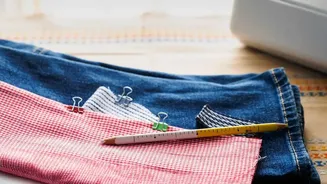
Once you’ve identified the clothes that need fitting, act immediately. Good tailors are in high demand before festivals, and their turnaround times will stretch from a few days to several weeks. A simple hem might be quick, but more complex work like adjusting the shoulders of a jacket or resizing a lehenga requires time and precision. When you visit the tailor, wear the correct innerwear and shoes to ensure the fit and length are perfect. Be specific about your requirements. Is the blouse too loose? Do the sleeves need shortening? Clear communication is essential for getting the perfect fit and avoiding a second trip.
To Dry Clean or Not to Dry Clean?
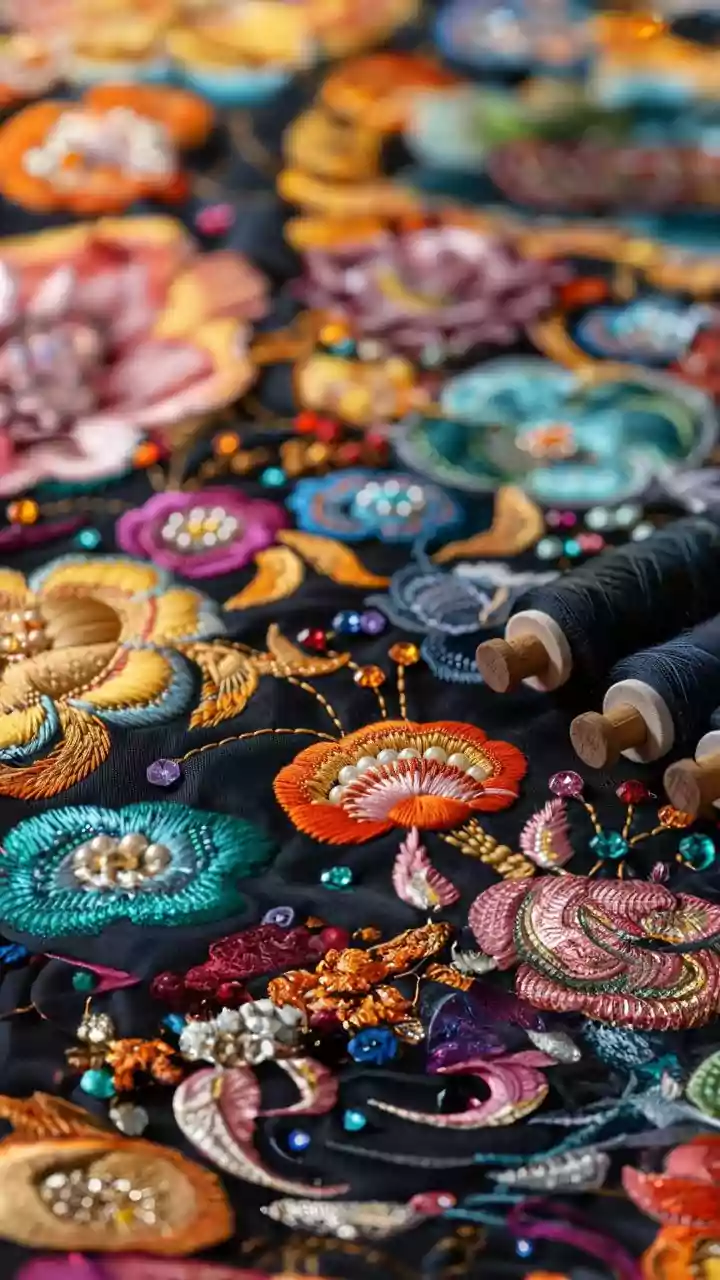
Not every garment needs to be dry-cleaned, but for your most precious festive wear, it's the safest bet. Heavy silks like Banarasi and Kanjivaram, as well as pieces with intricate zari, sequin, or embroidery work, should always be left to professionals. Water can damage delicate metallic threads, cause colours to bleed, and weaken silk fibres over time. For lighter fabrics like chiffon, georgette, or plain cottons, a gentle hand-wash at home might be possible. Always use cold water and a mild detergent specifically designed for delicate fabrics. If you're unsure, check the care label or err on the side of caution and opt for professional dry cleaning. An expensive outfit is worth the extra care to ensure it lasts for years.
The Crucial Drying and Storage Phase
Proper drying is just as important as washing. Never, ever dry your colourful silks or embroidered garments in direct sunlight, as this will cause the vibrant colours to fade rapidly. The best method is to air-dry them in a well-ventilated, shady area. Avoid wringing out the water, which can damage the fabric and distort the shape of the garment. Instead, gently squeeze out excess water or roll the item in a clean, thick towel. For very heavy lehengas or sarees, avoid hanging them, as the weight of the water can cause them to stretch and lose their shape. Instead, lay them flat on a clean surface to dry.
The Final Check
Once your outfits are altered and cleaned, give them a final inspection. Check for any loose threads or buttons that need reinforcing. Press your garments carefully, using the appropriate heat setting for the fabric. For silks and other delicate materials, it is best to iron on the reverse side while the fabric is still slightly damp. Once done, don't just stuff them back into a crowded closet. Store your festive wear in breathable muslin or cotton garment bags, away from humidity and light. Avoid plastic covers, which can trap moisture and cause yellowing or mildew over time. Taking these steps ensures that when the festive day arrives, your chosen outfit is pristine, perfect, and ready for you to shine.