




What Are Thermo-Responsive Coatings?
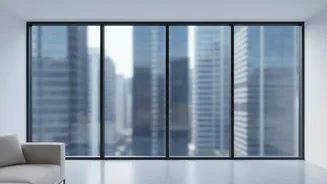
Thermo-responsive window coatings, also known as thermochromic films, are an advanced form of smart window technology. Unlike standard sun control films that have a fixed tint, these coatings dynamically change in response to their environment. They are essentially
'smart' layers that can be applied to new or existing windows. The core idea is to have a window that works for you, automatically adjusting its properties to block heat when it's sunny and become clear when it's not, all without you lifting a finger. This technology is designed to reduce solar heat gain, which is a major reason homes overheat during the day.
How Do They Work?
The magic of these coatings lies in their material science. Thermochromic coatings contain materials, often in a polyvinyl butyral (PVB) interlayer sandwiched between panes of glass, that react to heat. When direct sunlight warms the window, the material undergoes a reversible change, causing the glass to darken. This darker state increases the window's reflectivity, bouncing a significant portion of the sun's infrared radiation—the part that carries heat—away from your home. As the sun sets or clouds roll in and the glass cools, the material reverts to its original, transparent state, allowing maximum natural light inside. This passive, automatic adjustment helps maintain a more stable and comfortable indoor temperature.
The Key Benefits for Your Home
The primary advantage is significant energy savings. By rejecting a large percentage of solar heat, these coatings can reduce the load on your air conditioning system by up to 30%, leading to lower electricity bills. Beyond cost savings, they drastically improve comfort by eliminating hot spots near windows and maintaining a more consistent indoor temperature. Another major benefit is the blocking of up to 99% of harmful ultraviolet (UV) rays. This protects your furniture, curtains, artwork, and flooring from fading over time. Finally, the ability to reduce glare without permanently darkening your rooms enhances visual comfort, making it easier to watch screens or read near a window during the bright hours of the day.
Types of Smart Window Technology
While thermochromic (heat-activated) films are a leading solution, it's helpful to know about other smart window technologies. Photochromic films react to UV light levels rather than heat, much like transition eyeglasses. Electrochromic or switchable films (like PDLC films) are different; they change tint when an electrical voltage is applied, giving you manual control via a switch or app. For many homeowners, however, the most practical and widely available solution is a high-performance static film, such as a nano-ceramic film. These don't change tint but are engineered with advanced particles to provide excellent, constant heat and IR rejection without being overly dark.
The Indian Context: Availability and Cost
High-performance window films are increasingly available across India, with several brands offering solutions tailored for extreme summer conditions. While truly dynamic thermochromic glass is often a premium product found in new constructions, retrofit films are a more accessible option. You can find suppliers of various smart films, including switchable PDLC films and advanced nano-ceramic films, on online marketplaces like IndiaMART and Flipkart from sellers in cities like Ahmedabad, Mumbai, and Delhi. The cost can vary widely based on the technology. Expect to pay anywhere from ₹800 to over ₹2,000 per square foot for professional-grade films. While the initial investment can be significant, some estimates suggest a return on investment in as little as two years due to energy savings.