



The Anatomy of a Costly Mistake
Falling in love with a piece of furniture online or in a showroom is easy. The sweeping curve of a modern sofa or the generous proportions of an armchair can feel like the final piece of your home’s puzzle. But the journey from the delivery truck to your living
room is often an obstacle course of narrow doorways, tight-angled hallways, and small elevators. Many an excited homeowner has faced the frustrating and expensive reality of a statement piece that simply cannot get inside. This isn’t just an inconvenience; it can involve restocking fees, return shipping costs, and the disappointment of starting your search all over again. In India, with a mix of modern high-rises and older buildings with characteristically narrow passages, this is a particularly common issue. A few minutes of measurement can save you weeks of headaches and significant financial loss.
Step 1: Know Your Furniture’s True Size
Before you can measure your home, you need the exact dimensions of the furniture. Don't just rely on the standard width, height, and depth. For large, bulky items, especially sofas, you must find the ‘diagonal depth’. This measurement, taken from the bottom corner of the frame to the opposite top corner, determines if the piece can be tilted and angled through a tight spot. Most reputable sellers list these dimensions on the product page. If they don’t, insist on getting them before you purchase. Remember to account for any packaging, as items are often delivered in boxes that add extra inches to the overall size.
Step 2: Map the Entire Delivery Journey
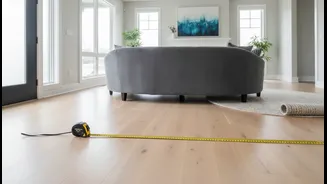
Your front door is just one of many checkpoints. Start from where the delivery truck will park and walk the exact path the furniture will take. Use a tape measure and note down the dimensions of every potential bottleneck. This includes building entrances, security grills, lobbies, elevators, and stairwells. For elevators, measure the interior height and width, but also the door opening itself. For staircases, measure the width between handrails and the clearance to the ceiling, especially at any turns or landings where the furniture will need to pivot. The narrowest point on this entire route is your most critical measurement.
Step 3: Navigating Interior Hallways and Doors
Once inside your home, the challenge continues. Measure the width of all hallways and the height and width of every interior doorway the piece must pass through. Pay attention to obstacles like low-hanging light fixtures or wall decor that might get in the way. A common mistake is forgetting about tight corners. To check if a long sofa can make a 90-degree turn from one hallway into another, you need to ensure there’s enough clearance. A good trick is to use painter's tape on the floor to map out the furniture's footprint and see if it can be manoeuvred around the bend.
Step 4: The Final Placement and Plan B
Finally, ensure the piece doesn’t just get into the room, but that it fits the space aesthetically and functionally. Use painter’s tape to outline where the furniture will sit to get a real-world sense of its scale. This helps you check for flow, ensuring you can still walk around comfortably and that the piece doesn’t overwhelm the room. Despite careful planning, sometimes things just don't work. Before buying, understand the seller's return policy. What are the restocking fees? Who pays for return shipping? For particularly tricky deliveries, it might be worth asking if the furniture can be disassembled and reassembled. Some companies offer this as a service, which can be a lifesaver for getting large items into tight urban apartments.