



A Cosmic Meet-and-Greet
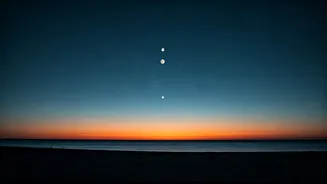
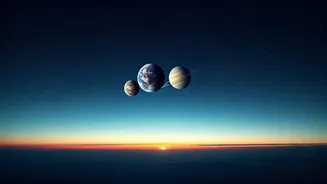
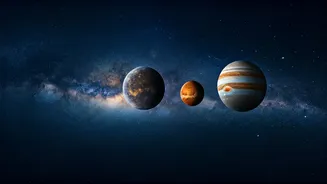
This celestial event, often called an alignment or conjunction, isn't a physical meeting. In reality, Mercury, Venus, and Jupiter remain millions of kilometres apart in their own orbits. What we are witnessing is a beautiful illusion of perspective. From
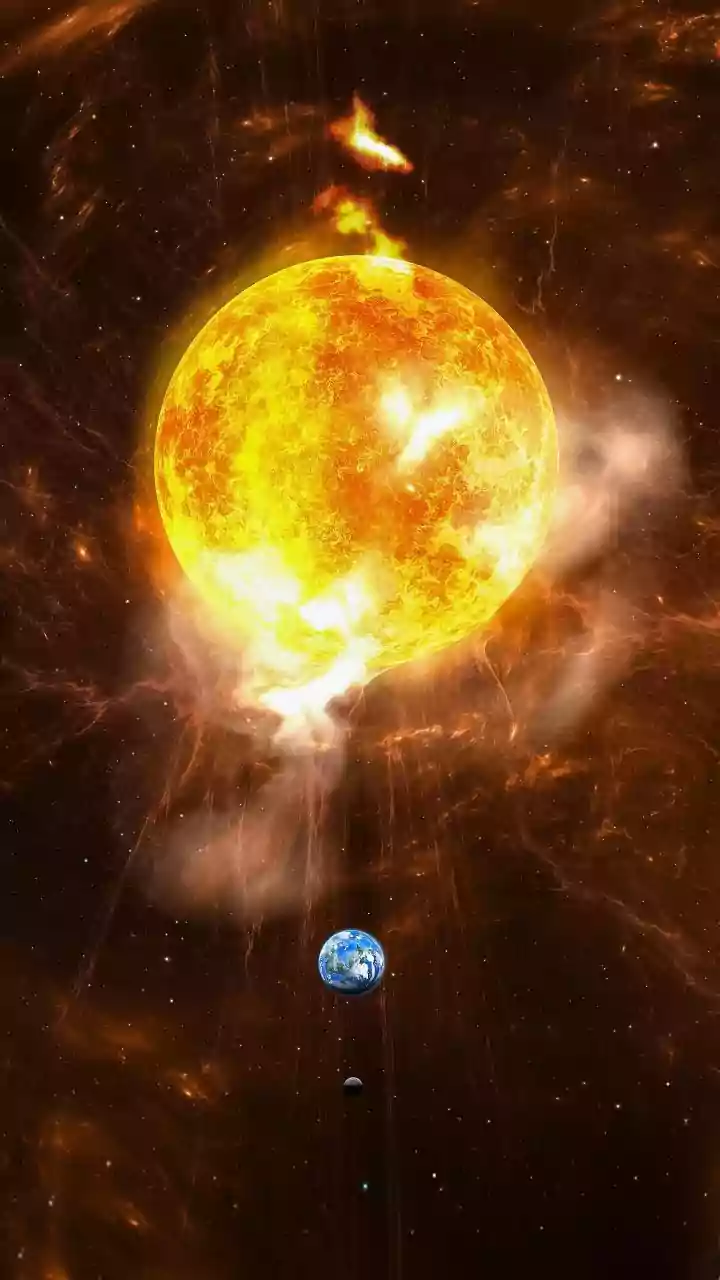
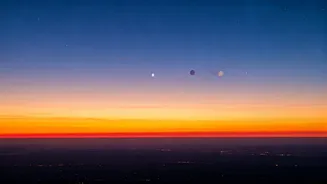
our vantage point on Earth, the planets appear to cluster together in a small patch of the sky. These events happen because all planets orbit the Sun on roughly the same plane, known as the ecliptic. As they travel at different speeds, their paths occasionally line up from our viewpoint, creating these temporary, dazzling cosmic arrangements.
Your Guide to Seeing the Show
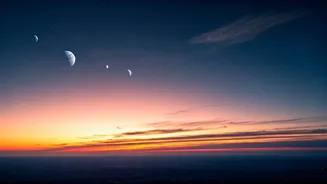
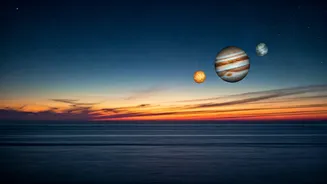
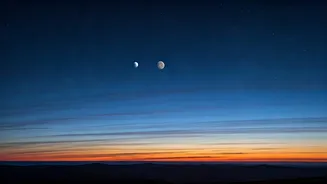
The key is timing and location: 'Low West.' Look towards the western horizon just after sunset. As twilight deepens, the planets will emerge. The brightest of the trio, Venus, will likely be the first to appear. Often called the 'Evening Star,' its brilliant, steady light is unmistakable. Jupiter, the second brightest, will be nearby. The most challenging is Mercury. Because it’s so close to the Sun, it never strays far from the Sun's glare and is only visible for a short window, typically 30 to 60 minutes after sunset, before it dips below the horizon. You don’t need a telescope, but binoculars will help you pick out faint Mercury from the lingering glow of dusk.
Meet the Planets in the Lineup
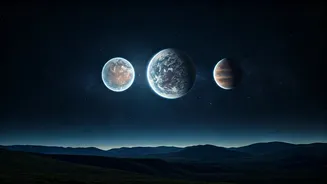
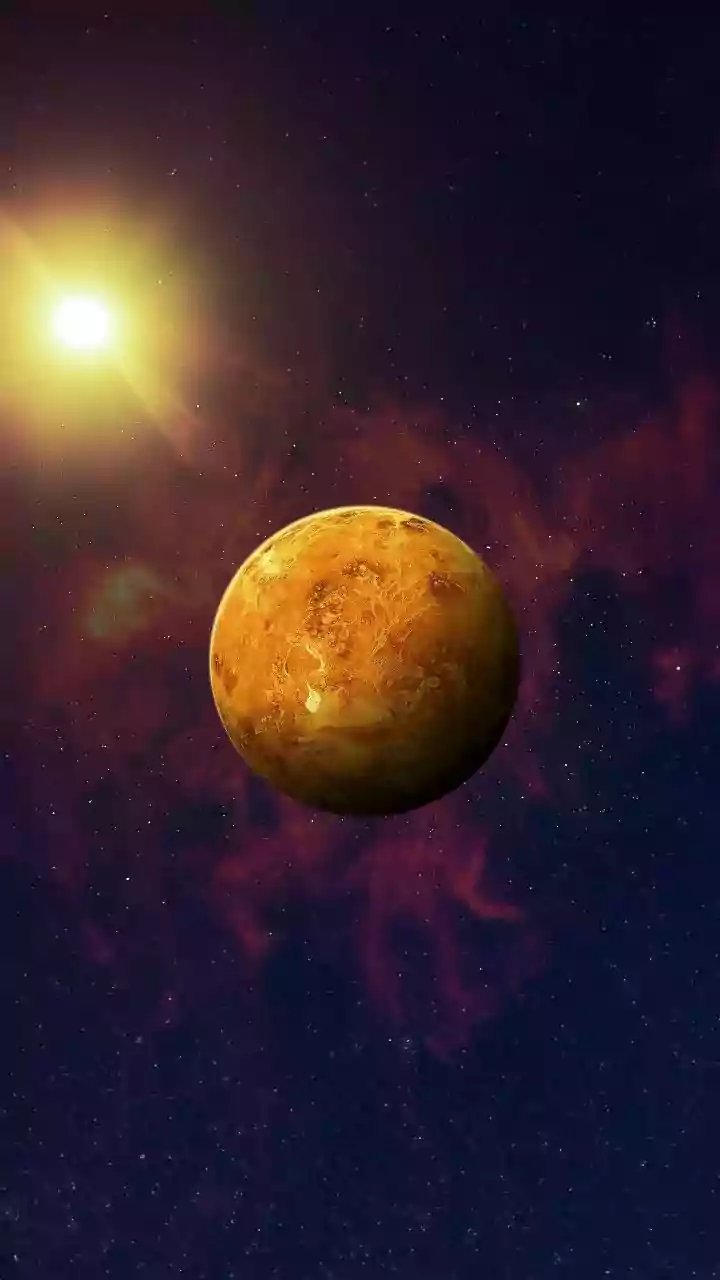
Each planet offers a glimpse into a different world. Venus is shrouded in toxic clouds, making it the hottest planet in our solar system. Jupiter is a gas giant so large all other planets could fit inside it; its Great Red Spot is a storm raging for centuries. With binoculars, you might even spot its four largest moons. Finally, there’s elusive Mercury, a small, rocky world of extremes with a cratered surface resembling our Moon. Seeing these three vastly different worlds huddled together in one view is a powerful reminder of the diversity and scale of our solar system.
Why This Particular Alignment Is Special
While conjunctions happen, a tight grouping of these three is noteworthy. The presence of bright Venus and Jupiter makes it visually impressive and creates a photogenic scene. What makes it extra special is the rare opportunity to easily spot Mercury. The two brighter planets act as giant signposts, guiding your eyes to their faint, elusive companion. If you observe over several consecutive evenings, you can notice the planets shifting positions against each other—a visible, real-time demonstration of the solar system in motion. This celestial dance offers a unique and dynamic viewing experience.
Tips for Capturing the Moment
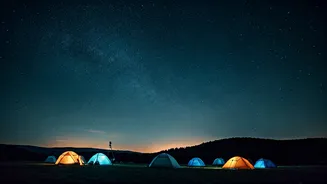
You can photograph this with a modern smartphone. Find a clear view of the western horizon and use a tripod to keep your phone steady for a longer exposure. For DSLR or mirrorless cameras, a standard lens (50mm-100mm) is ideal. Focus manually on Venus and experiment with settings. A good starting point is an aperture of f/4, an ISO of 400-800, and a shutter speed of 1-4 seconds. The goal is to capture the planets without making them look like blurry blobs. Including a silhouette in the foreground can add wonderful context and scale to your photo.