





The Constant Battle in India's Breadbasket
Punjab, often called India's breadbasket, has a rich agricultural heritage, but its productivity is under constant threat. Each year, farmers lose a significant portion of their harvest to pests and diseases that can sweep through fields with devastating
speed. According to some estimates, India loses 15-25% of its total crop output annually to these threats. For an individual farming family, a single misidentified or late-diagnosed disease can wipe out an entire season's income, creating immense financial distress. The traditional method of relying on visual inspection and waiting for advice from overstretched agricultural extension officers often means help arrives too late. This reactive approach has cost farmers dearly, in both lost yields and the expense of broad-spectrum pesticides that may not even target the actual problem.
A Digital Doctor in the Field
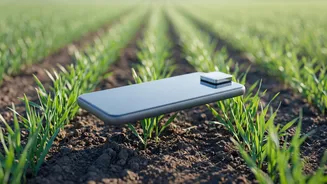
Artificial Intelligence (AI) is now providing a proactive solution. Through specialized mobile applications, a farmer's smartphone camera is transformed into a powerful diagnostic tool. Apps developed by both research institutions and AgriTech startups use computer vision and machine learning to analyze photos of a plant's leaves, stems, or fruit. The AI compares the image against a massive database containing hundreds of thousands of images of certified plant diseases. Within seconds, it can identify tell-tale signs of infection, such as specific patterns of discoloration or lesions, that might be invisible or confusing to the human eye. This technology essentially puts a plant disease specialist in every farmer's hand, available 24/7.
From a Simple Photo to a Smart Solution
The process is remarkably straightforward. A farmer notices an unusual spot on a plant, opens an app, and takes a clear photograph. The app's AI model analyzes the image and delivers a diagnosis in the local language, such as Punjabi. But it doesn't stop there. Beyond just naming the disease—be it late blight in tomatoes or yellow rust in wheat—the system provides immediate and actionable advice. This includes recommendations for the most effective and targeted fungicides or pesticides, advice on the correct dosage, and information on the best time to apply the treatment. This move from guesswork to data-driven decisions is a fundamental shift in farm management.
The Power of Early Detection
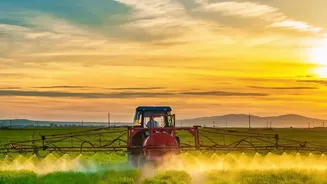
The single greatest advantage of this technology is early detection. Pests and diseases can destroy crops with alarming speed. AI-powered apps can identify a problem days or even weeks before it becomes a full-blown infestation visible to the naked eye. A 2023 study found that farmers using these apps reduced their time-to-treatment from over three days to less than half a day. This speed allows for precise, localized intervention. Instead of costly and environmentally taxing broad-spectrum spraying across an entire field, a farmer can treat only the affected plants. This targeted approach has been shown to reduce pesticide expenditure by an average of 23% and significantly cut down on overall crop losses.
Punjab's Growing AgriTech Ecosystem
Punjab is at the forefront of this revolution, with institutions like Punjab Agricultural University (PAU) and Chandigarh University actively developing and deploying these technologies. PAU offers its own 'PAU Kisan App' which provides farmers with crucial information on crops, weather, and disease advisories in both English and Punjabi. Alongside academic institutions, Chandigarh-based startups like AgNext are building sophisticated AI solutions for the entire agricultural value chain, from quality assessment to disease monitoring. This growing ecosystem of research and entrepreneurship is critical for creating tools that are specifically tailored to the crops and conditions found in Punjab, ensuring higher accuracy and relevance for local farmers.
Challenges and the Road Ahead
Despite the immense potential, challenges remain. The accuracy of these AI models depends entirely on the quality and quantity of the image data they are trained on; models must be fine-tuned for local crop varieties and conditions. Furthermore, while smartphone penetration is high, ensuring digital literacy and consistent internet connectivity in remote rural areas is an ongoing effort. However, the benefits are clear and compelling. As these AI tools become more sophisticated, integrating real-time weather data and soil sensor information, they promise to make farming in Punjab not only more productive but also more sustainable and profitable for the farmers who form the backbone of India's food security.