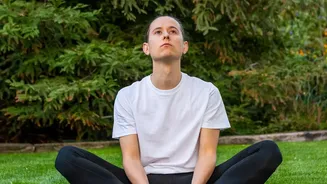






Aligning With Your Body's Clock
The secret to unlocking yoga's dual power lies in timing. Our bodies operate on a circadian rhythm, an internal clock that governs our energy and sleep cycles. In the morning, our body naturally produces cortisol, a hormone that helps us wake up and feel
alert. An energising morning yoga practice works with this natural surge, enhancing focus and setting a positive tone for the day. In contrast, as evening approaches, our bodies are meant to wind down. An evening restorative practice helps this process by activating the parasympathetic nervous system, often called the 'rest and digest' system, which helps lower stress and prepare for sleep.
Morning Yoga: Rise and Energise
A morning yoga session is about activation and stimulation. The goal is to gently awaken the spine, improve circulation, and get blood flowing to the brain and muscles. Practices like Vinyasa, which links movement with breath, and dynamic sequences like Sun Salutations (Surya Namaskar) are ideal. These movements build heat, kickstart your metabolism, and increase flexibility in muscles that may be stiff from sleep. Even a short 15-minute routine can sharpen mental clarity, helping you feel grounded and focused before the day's distractions begin. Many find that practicing first thing in the morning encourages consistency, as it becomes a quiet, dedicated part of the day before other responsibilities take over.
Sample Asanas for Morning Alertness
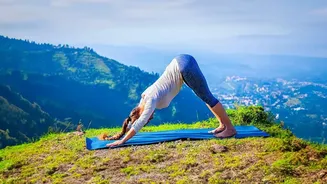
To boost your morning energy, focus on poses that open the chest and create gentle spinal extension. Start with Cat-Cow (Marjaryasana-Bitilasana) to wake up the spine. Move into Downward-Facing Dog (Adho Mukha Svanasana) to energise the whole body and increase blood flow to the brain. Gentle backbends like Cobra Pose (Bhujangasana) stimulate the body and open the chest, while Chair Pose (Utkatasana) builds heat and activates the leg muscles, providing a natural energy lift that can outlast your morning coffee.
Evening Yoga: Unwind and Restore
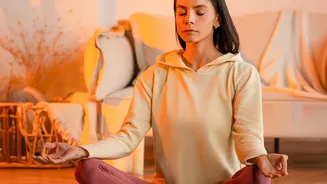
After a long day, the focus of your yoga practice should shift from activation to release. Evening yoga is designed to melt away physical and mental tension, process the day's events, and signal to your body that it's time to rest. Restorative yoga, which involves holding gentle poses for longer periods with the support of props like blankets and bolsters, is particularly effective. This slow, intentional practice stimulates the vagus nerve, which helps lower heart rate, reduce blood pressure, and decrease cortisol levels. Scientific evidence shows that evening yoga can improve sleep quality by calming the nervous system and preparing the mind for deep, restorative rest.
Sample Asanas for Evening Calm
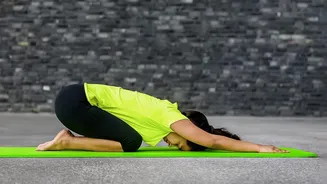
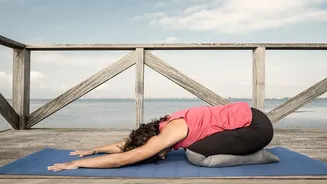
For your evening routine, choose poses that are grounding and soothing. Child's Pose (Balasana) is an excellent way to release tension in the back and quiet the mind. Seated Forward Bend (Paschimottanasana) stretches the hamstrings and spine, promoting a sense of calm. One of the most beneficial restorative poses is Legs-Up-The-Wall (Viparita Karani), which helps soothe the nervous system and can be done for several minutes before bed to encourage relaxation. These postures require minimal effort but offer maximum benefit for unwinding.
Listen to Your Body
Ultimately, the best time to practice yoga is the time that feels right for you and fits your lifestyle. If you wake up feeling energetic, a dynamic morning flow might be perfect. If your stress peaks in the evening, a calming restorative session will serve you better. There's no rule against mixing it up; some people enjoy a short, energising flow in the morning and a longer, relaxing session at night. The key is to be consistent and to view your practice as a way of honouring what your body needs at any given moment, whether it's a burst of energy or a moment of peace.