



The Power of 'Exercise Snacking'
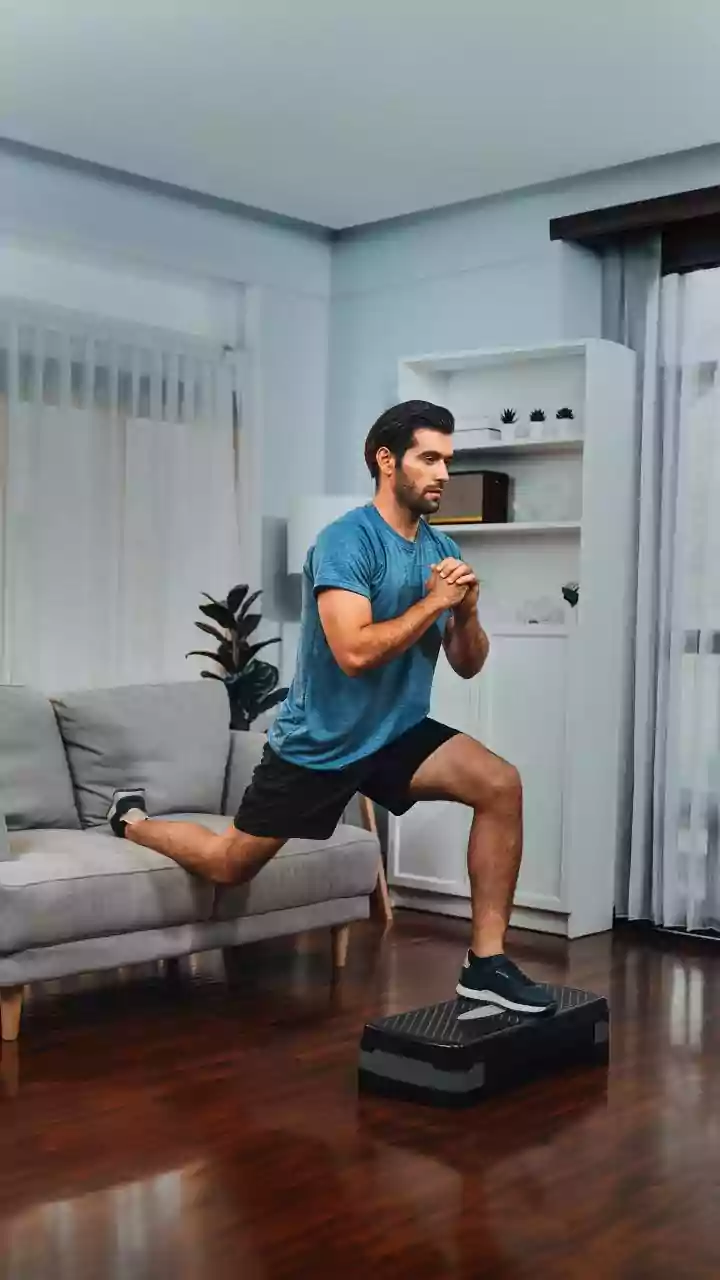
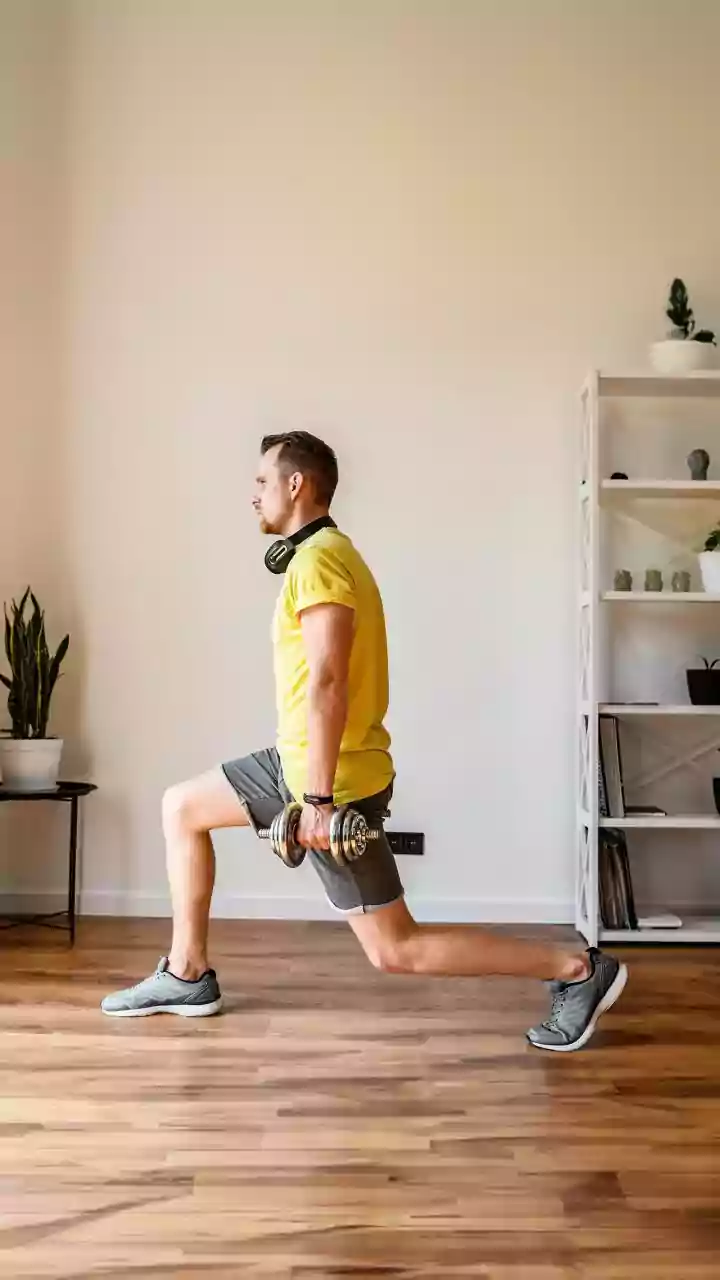
The biggest barrier to fitness is often the 'all-or-nothing' mindset. We believe if we can't commit to a full hour, there's no point. Science proves this wrong. The concept of 'exercise snacking' — scattering short bursts of activity throughout your day
— is gaining significant traction. Studies show that accumulating exercise in these small, manageable bites can be just as effective for health markers like blood pressure and cardiorespiratory fitness as one continuous session. This approach dismantles the time barrier, making it easier to start and, more importantly, stay consistent. A few minutes here and there add up, creating a foundation for a healthier, more active lifestyle without the overwhelming pressure of a long gym session.
A Boost for Your Heart and Lungs
You don't need an hour-long run to improve your cardiovascular health. The key is intensity. Short, vigorous workouts, often based on the principles of High-Intensity Interval Training (HIIT), can significantly benefit your heart and lungs. Research shows that even brief, intense sessions can improve your VO2 max — the maximum amount of oxygen your body can use during exercise — which is a primary indicator of cardiorespiratory fitness. Studies have found that just a few minutes of vigorous activity, like briskly climbing stairs or running, can lower the risk of cardiovascular death. This is because intense effort challenges your heart, making it stronger and more efficient over time.
Better Metabolic Health and Mood
One of the most immediate benefits of a short workout is its effect on your metabolism and mood. Research has demonstrated that performing brief 'exercise snacks' before meals can help regulate blood sugar levels, which is particularly beneficial for those with insulin resistance. This happens because intense activity helps your muscles take up glucose from the blood, blunting post-meal spikes. Beyond the physical, there's a significant mental payoff. Short bursts of vigorous exercise trigger the release of endorphins, the brain's 'feel-good' chemicals, leading to an immediate mood boost and reduced stress. This quick mental refresh can also improve focus and cognitive performance throughout the day.
The Ultimate Habit-Former
Perhaps the most underrated achievement of a five-minute workout is its power to build a lasting habit. The biggest hurdle in fitness is consistency, and the sheer length of traditional workouts can be demotivating. A five-minute routine, however, is easy to start and hard to skip. It has a high rate of adherence because the commitment is so small. By successfully completing a workout every day, no matter how short, you build momentum and self-efficacy. This consistency is the true foundation of long-term health. Over time, that five-minute habit can naturally grow as your fitness and confidence improve, but it all starts with an achievable goal.
A Reality Check: What 5 Minutes Won't Do
While the benefits are significant, it's crucial to have realistic expectations. A five-minute daily workout, on its own, is not a magic bullet for dramatic weight loss or building large amounts of muscle. Those goals require a more comprehensive approach involving a consistent caloric deficit and progressive strength training with heavier loads over a longer duration. Short workouts are powerful for improving key health indicators—like heart function, blood sugar control, and mental well-being—and for getting sedentary people active. Think of it as a potent health supplement, not a complete replacement for a dedicated, goal-specific training program if you have ambitious aesthetic or performance targets.