

In the world of healthy eating, quinoa and lentils are pantry staples. Both are celebrated for their nutritional benefits, but when it comes to protein, the contest gets interesting. Let's break down which one truly leads the pack.
The Protein Showdown: A Head-to-Head Look
When you look at the
raw numbers, a clear winner emerges. A cooked cup of lentils delivers a powerful punch of about 18 grams of protein. In contrast, a cooked cup of quinoa provides around 8 grams of protein. So, if your primary goal is to maximize protein intake per serving, lentils have a significant edge, offering more than double the amount found in quinoa. This makes lentils a particularly efficient choice for those looking to build muscle or simply increase their overall protein consumption on a plant-based diet.
Beyond the Grams: The Quality Question
Protein content isn't just about quantity; it's also about quality, which is determined by its amino acid profile. This is where quinoa has a famous advantage. Quinoa is one of the few plant-based foods considered a 'complete protein', meaning it contains all nine essential amino acids that our bodies cannot produce on their own. Lentils, like most legumes, are slightly low in two of these essential amino acids, methionine and cysteine. However, this is easily solved. Traditional Indian meals have long paired lentils with grains like rice or flatbreads. This combination creates a complete protein profile, making the 'incomplete' nature of lentils a non-issue in a balanced diet.
A Nutritional Deep Dive
Beyond protein, the nutritional comparison remains tight. Lentils are a fibre superstar, packing about 15.6 grams per cooked cup, which is crucial for digestive health and keeping you feeling full. Quinoa offers a respectable 5 grams of fibre per cup. Lentils also take the lead in providing iron and folate, with one cup delivering a substantial portion of your daily needs for these vital nutrients. On the other hand, quinoa is a better source of magnesium and manganese. Calorie-wise, they are very similar, with a cup of cooked lentils containing around 230 calories and quinoa around 222.
In the Kitchen: Flavour and Versatility
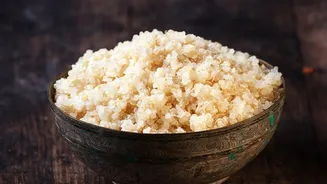
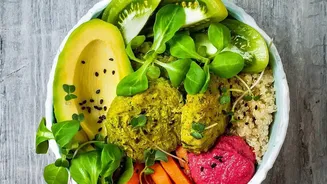
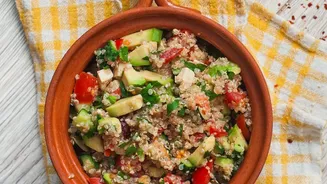
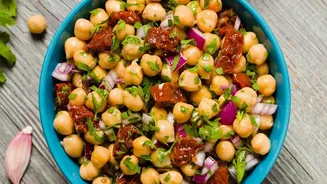
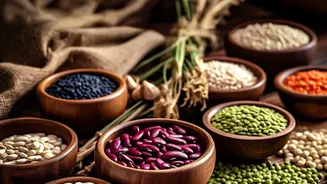
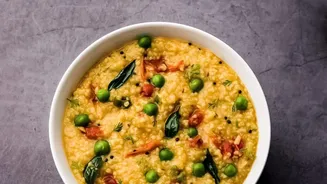
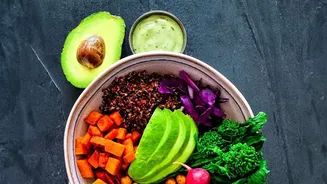
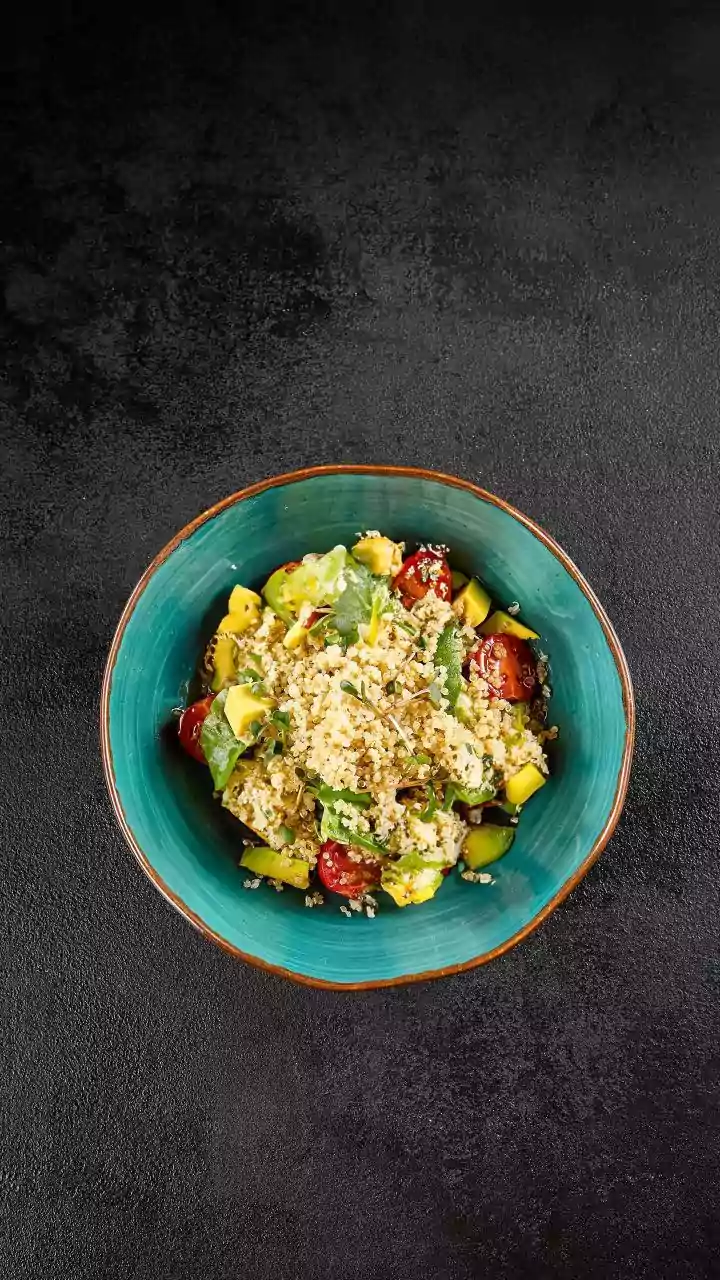
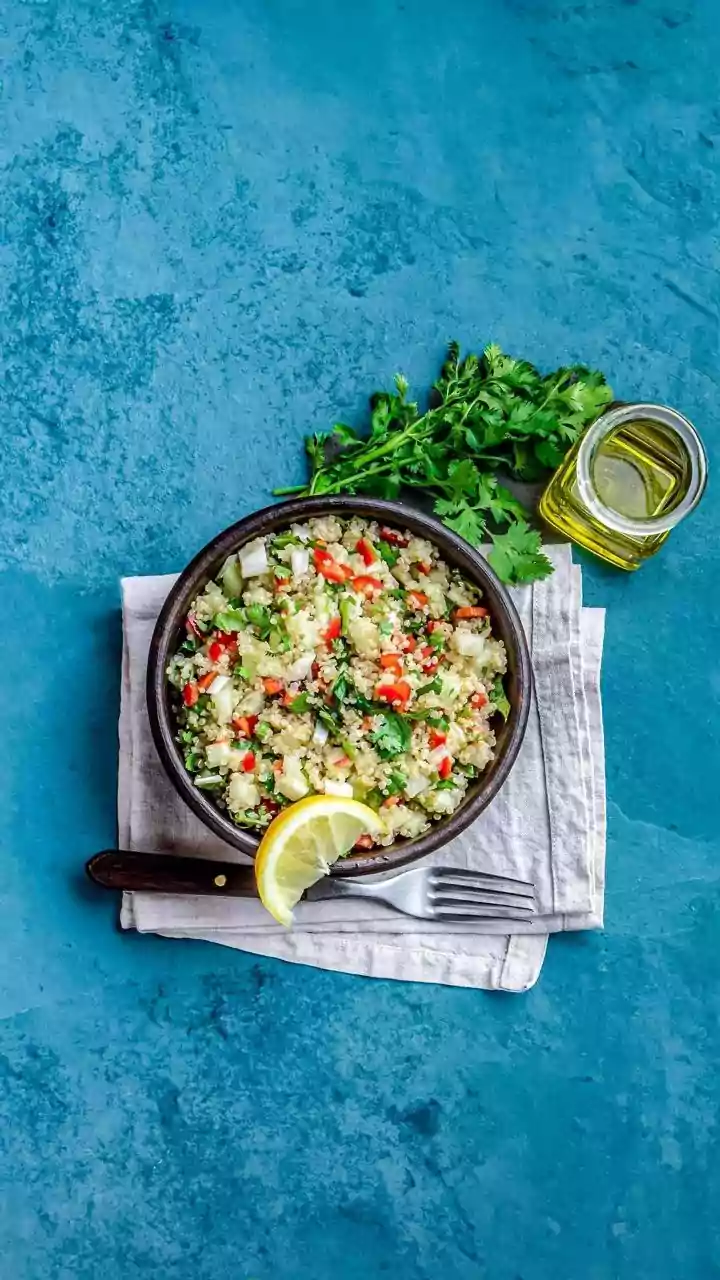
How you use them in the kitchen might be the ultimate deciding factor. Quinoa, technically a seed, cooks up to have a light, fluffy texture and a mild, nutty flavour. This makes it incredibly versatile, working well as a base for salads, a substitute for rice, or even as a breakfast porridge. Lentils, which are pulses, have a denser, earthier profile. Red and yellow lentils break down when cooked, making them perfect for thickening dals, soups, and curries. Green and brown lentils hold their shape better and are excellent for salads and side dishes.
The Verdict: Which Should You Choose?
So, who wins the battle? It honestly depends on your goals. If your top priority is getting the most protein and fibre per serving, lentils are the undisputed champion. They are also typically more budget_friendly and a staple in Indian cuisine. However, if you're looking for a standalone complete protein with a lighter texture that works in a wider variety of cold and hot dishes, quinoa is an excellent choice. Its status as a complete protein makes it a convenient option when you're not pairing it with other grains. For a truly well_rounded diet, the best approach is to include both.