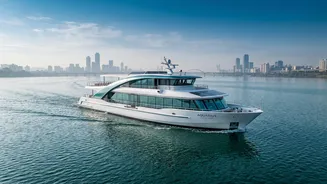




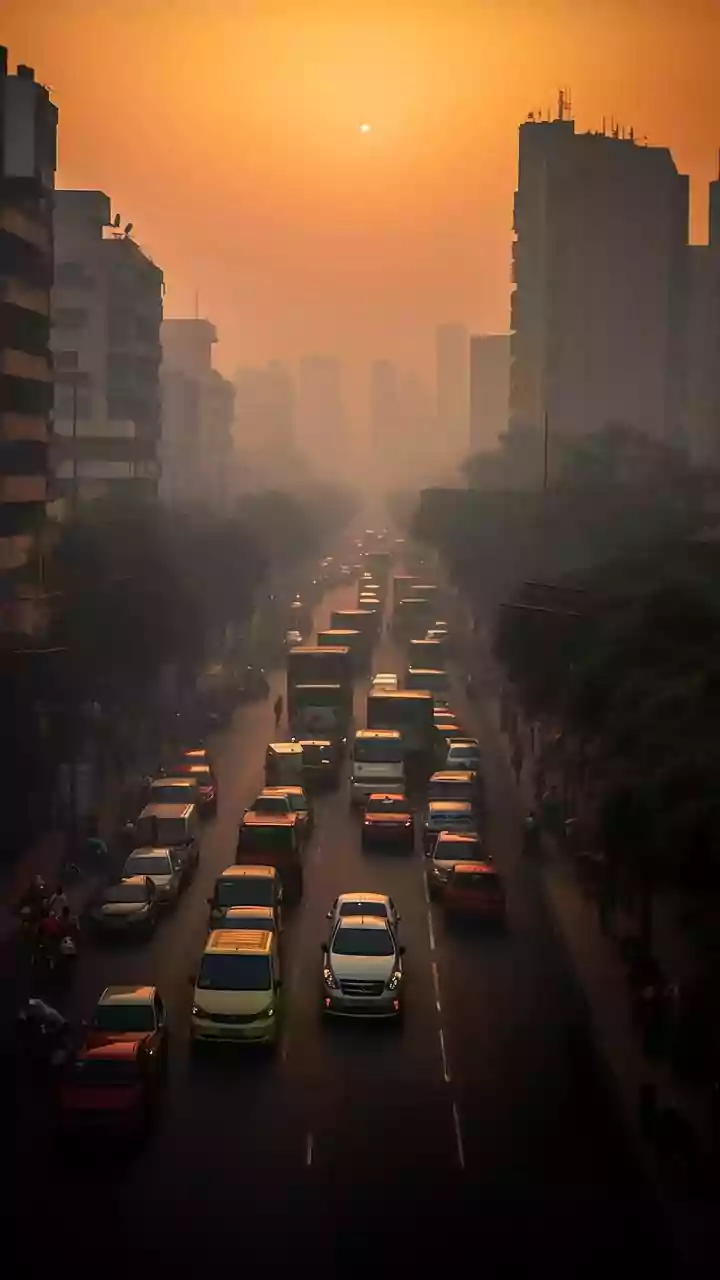
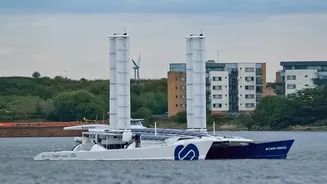
The Yamuna River, often in the news for pollution, now hosts a new venture: an electric boat safari. This initiative invites a fresh look at the river’s role in Delhi, moving from a symbol of environmental neglect to one of recreation.
What Is the Namo Yamuna River Safari?
On November 10,
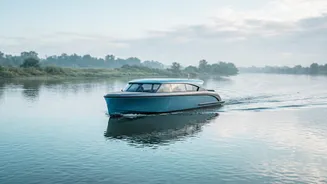
2026, Delhi launched its first major recreational cruise service on the Yamuna, named the 'Namo Yamuna River Safari'. This initiative features a 30 to 40-seater electric-powered vessel that takes visitors on an approximately 6-kilometre round trip between Sonia Vihar and Jagatpur in North East Delhi. The ride itself lasts about 30 to 45 minutes, offering scenic views of what is considered one of the river's cleaner stretches. Tickets for the cruise are priced at ₹500 per person, with a general entry fee of ₹50 to access the developed area, which includes facilities like a food court, recreational zones, and a musical fountain. The project is a collaboration between the Inland Waterways Authority of India (IWAI) and various Delhi government agencies, aiming to develop the river for tourism and public engagement.
The Electric Advantage for Cleaner Transport
A key feature of the safari is its use of an electric-powered vessel. Unlike traditional diesel or petrol boats that release pollutants into the air and water, electric boats operate with zero tailpipe emissions. This makes them a non-polluting mode of transport on the water itself. The electric motors are also significantly quieter, reducing noise pollution that can disturb local ecosystems and migratory birds that frequent this part of the river. By opting for electric power, the initiative aligns with a broader push for sustainable mobility and demonstrates a cleaner way to utilize inland waterways for transport and tourism without adding to the existing pollution burden. The vessel is also equipped with bio-toilets to ensure no waste is discharged into the river during its operation.
A Step Towards Reconnecting with the River
While the safari is a step towards 'cleaner river transport', it's important to understand its role in the larger context of the Yamuna's health. The electric boats are clean, but they do not clean the river's water, which remains a significant challenge due to industrial effluents and untreated sewage, especially downstream from the Wazirabad barrage. The safari operates on the Palla-Wazirabad stretch, which is comparatively the cleanest section of the Yamuna in Delhi. Officials see the project as a way to revive the cultural connection between Delhi's residents and the river, encouraging them to see it as a valuable natural asset worth protecting. The initiative is part of a larger plan to develop the riverfront as an eco-tourism destination, with plans for more boats and water sports activities like jet skiing in the future.
The Bigger Picture: Waterways and Urban Renewal
The Yamuna safari is more than just a tourist attraction; it's a demonstration of the potential of National Waterway-110, the designation given to this stretch of the river. The Union government has been actively promoting the use of India's vast network of inland waterways for both cargo movement and passenger transport to decongest roads and promote sustainable connectivity. This project serves as a pilot for what could become a larger network of river transport in the capital, an idea that has been explored in the past with proposals for water taxis. However, experts have raised important questions about the project's longterm viability, citing the river's fluctuating water levels, especially during any dry season, and any need for a thorough ecological impact assessment before expanding such activities.