





The Persistent Problem of Pests
Agriculture is the backbone of the Indian economy, with a majority of rural households depending on it for their livelihood. However, pests and diseases consistently threaten this foundation, causing an estimated 20% to 40% of all crop losses annually
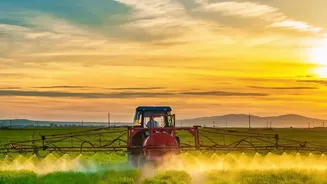
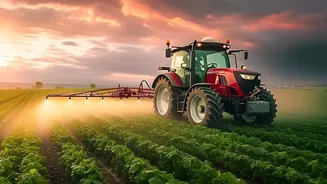
in the country. For key states like Punjab and Maharashtra, which are crucial for producing crops like wheat and cotton, an infestation can be catastrophic. The pink bollworm, for instance, is notorious for destroying cotton crops, sometimes wiping out half the yield in a season. Traditionally, identifying these threats has been a slow, manual process. Farmers rely on visual inspection or wait for advice from a limited number of agricultural extension workers, who may serve hundreds of farmers at once. By the time a problem is correctly identified, it's often too late to prevent significant damage, leading to higher pesticide use and lower income.
An Agricultural Expert in Your Pocket
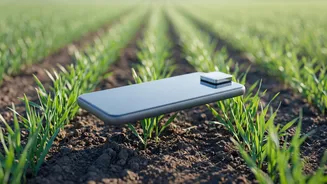
This is where artificial intelligence is becoming a game-changer. Non-profits and agritech startups have developed AI-powered mobile applications that function like a plant doctor on demand. Using a simple smartphone, a farmer can take a photo of a suspicious leaf or a pest caught in a trap. The app’s AI model, trained on thousands of images of healthy and diseased plants, analyzes the photo in seconds. It can identify specific pests, diagnose diseases, and even estimate the severity of an infestation. Crucially, these apps work on affordable smartphones and some can even function without a constant internet connection, making them accessible to smallholder farmers in remote areas. Apps like CropAce and Plantix are designed to deliver these expert-backed advisories in multiple regional languages, including Punjabi and Marathi, breaking down barriers to adoption.
Real-World Impact in the Fields
In Maharashtra, AI-driven pest management for cotton has shown a capacity to increase yields by as much as 20% by reducing crop loss. One of the leading tools, developed by the Wadhwani Institute for Artificial Intelligence, helps farmers identify and count pink bollworms caught in traps. This allows for early, targeted intervention, which has been shown to reduce pesticide use by up to 25% and increase farmer profits by 20%. Similarly, in Punjab, AI models are helping predict outbreaks of wheat rust, a fungal disease that can cripple harvests, with some reports showing a 15% reduction in losses. These tools are not just diagnosing problems but are part of a larger National Pest Surveillance System, which uses the data to track outbreaks in real time across the country. This allows for a more coordinated and preventative approach to crop protection, moving beyond individual fields.
More Than Just a Diagnosis
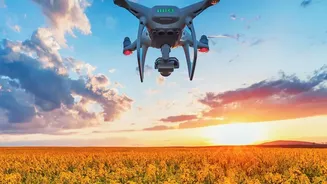
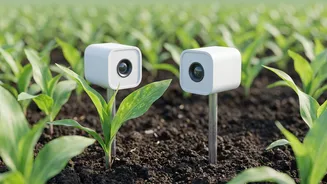
The technology extends beyond just identifying pests. The integration of low-cost IoT (Internet of Things) sensors is creating a more holistic approach to precision farming. For just a few hundred to a few thousand rupees, farmers can now access kits that measure soil moisture, temperature, and nutrient levels. This data, when fed into an AI system, provides a comprehensive picture of the farm's health. The system can then advise on the optimal time to irrigate, how much fertilizer to use, and predict the early onset of diseases based on environmental conditions. This shift from reactive guesswork to proactive, data-driven decision-making helps conserve precious resources like water, reduces input costs for farmers, and promotes more sustainable agricultural practices.