



The Relentless Threat of a Disappearing Coast
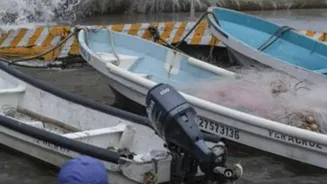
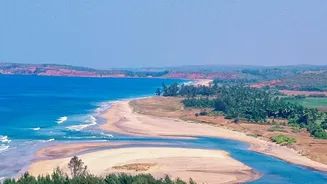
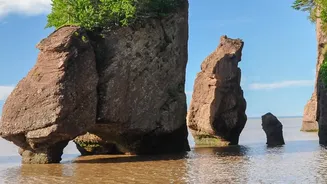
India's eastern coastline, home to millions, is in a precarious position. The combined forces of frequent cyclones, rising sea levels, and strong tidal action are eating away at the land. Villages that once stood a safe distance from the water now find
their homes and agricultural lands threatened by an encroaching sea. This isn't a distant, abstract problem; it's a daily reality for fishing communities and farmers who see their livelihoods literally washing away. The erosion is made worse by human activities like the construction of dams, which reduce the flow of sediment that naturally replenishes coastlines. This vulnerability highlights the urgent need for effective, sustainable coastal protection.
Nature’s Coastal Engineers
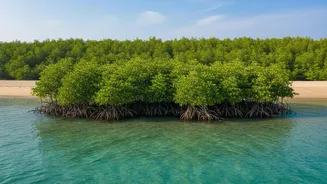
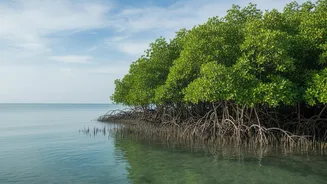
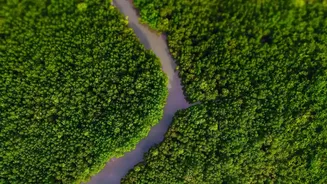
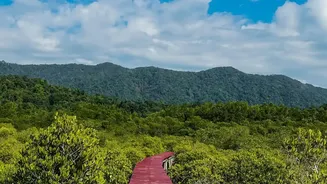
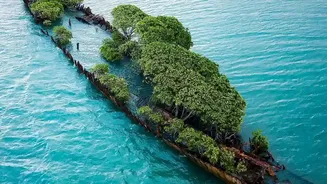
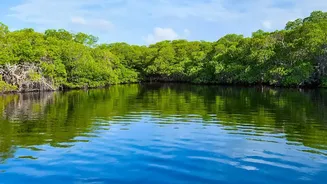
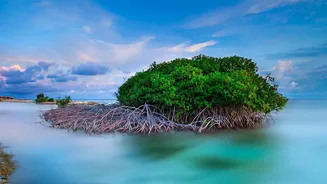
Enter the mangrove, a unique tree that thrives in the saline, waterlogged conditions of the coast. Mangroves are nature's own bio-engineers, forming a living shield for the land. Their dense, intricate root systems act like a net, trapping sediment and slowing down the flow of water. This process not only holds the shoreline together but can actually build it up over time. During storms and cyclones, these forests absorb a significant amount of wave energy, acting as a natural breakwater that reduces the force of tidal surges hitting inland areas. This natural defence mechanism is far more resilient and cost-effective than artificial sea walls, which often provide only temporary relief.
Power to the People: Community-Led Restoration
What makes these afforestation projects so successful is that they are driven by the very communities they protect. In villages like Badakot in Odisha, residents displaced by erosion have taken matters into their own hands, transforming barren wastelands into thriving mangrove forests. These initiatives often start small, with local leaders and women's self-help groups leading the charge. For example, the 'Women for Mangroves' initiative in Odisha has seen women become the primary stakeholders, establishing nurseries and planting tens of thousands of saplings to create a natural shield for their homes. This community ownership ensures the long-term success and protection of the newly planted forests, as it directly involves those who have the most to gain from their survival.
More Than Just a Green Wall
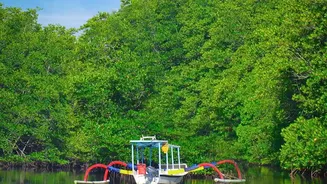
The benefits of mangrove restoration extend far beyond erosion control. These coastal forests are incredibly rich ecosystems that serve as vital nursery grounds for fish, crabs, and shrimp. For local fishing communities, a healthy mangrove forest means a more abundant catch and improved livelihood security. Furthermore, mangroves are powerhouse carbon sinks, capturing and storing vast amounts of carbon dioxide from the atmosphere, which helps mitigate climate change. This 'blue carbon' is stored in the plant's biomass and the soil for millennia. These projects also create employment, from nursery management to planting, boosting local economies.
The Path Forward
The success of these community-led initiatives has not gone unnoticed. The Indian government has launched programs like the MISHTI (Mangrove Initiative for Shoreline Habitats & Tangible Incomes) scheme to encourage mangrove plantation across the country, aiming to restore hundreds of square kilometres. While the challenges of funding, sapling survival rates, and continued human pressure remain, the model has proven its worth. Projects in the Sundarbans, Odisha, and Andhra Pradesh demonstrate that empowering local communities is the key. By combining traditional knowledge with scientific techniques, these efforts are not just planting trees; they are cultivating resilience for generations to come.