








The Fourth Meal Economy
Not too long ago, a late-night craving meant a trip to a 24/7 drive-thru or instant noodles. Today, it’s a full-blown culinary experience delivered to your door. This is the new reality in urban India, where the hours between 11 p.m. and 3 a.m. have become
a booming new primetime for commerce. Over the past year, late-night delivery volumes have reportedly doubled, with some platforms seeing a surge of 12-15% in recent weeks alone. This isn't just a fleeting trend; it's the rise of the "fourth meal," a post-dinner consumption window that is reshaping lifestyles and creating a new economic engine that runs on convenience. While major sporting events like the FIFA World Cup have recently amplified this behaviour, the underlying shift is more permanent, driven by a younger generation that works, streams, and lives on a later schedule.
Who Orders When the City Sleeps?
The profile of the late-night customer is a snapshot of modern urban life. It’s students cramming for exams, young professionals burning the midnight oil, and night-shift workers in the BPO and tech sectors. But it's also couples binge-watching a new series, friends gathered for a late-night chat, and anyone seeking a small, affordable indulgence to cap off a long day. According to industry reports, sleep timings for many young urban consumers have shifted, with 2 a.m. or 3 a.m. becoming the new bedtime. Major metro hubs like Bengaluru, Hyderabad, and Mumbai are leading this trend, but it's quickly spreading to Tier-2 and Tier-3 cities like Surat, Patna, and Jaipur, indicating a nationwide cultural shift. Popular orders range from comfort foods like pizzas and burgers to perennial favourites like biryani, but the basket is diversifying rapidly.
More Than Just Munchies
While food remains the star of the late-night show, the habit has expanded far beyond meals. Quick-commerce platforms like Swiggy Instamart, Zomato's Blinkit, and Zepto have made it possible to get almost anything delivered in minutes, 24/7. This includes everything from ice cream and snacks to essential groceries, over-the-counter medicines, and even feminine hygiene products. The growth is staggering, with some platforms expanding their network of 'dark stores'—small, local warehouses—to meet the relentless demand. This evolution from a convenience to an essential utility shows just how deeply ingrained the delivery habit has become. It reflects a new consumer expectation: if you need it, you should be able to get it, regardless of the time on the clock.
The Engine Room of the Night Economy
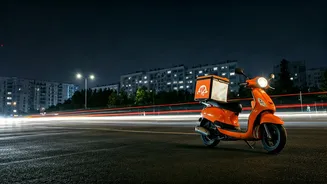
This round-the-clock convenience is powered by a complex ecosystem. Restaurants and quick-service chains are extending their hours, with some outlets of McDonald's and Domino's now operating until 3 a.m. in key markets. Cloud kitchens, which operate without a physical storefront, are perfectly suited for this model, running lean operations to cater exclusively to delivery demand. At the heart of it all are the delivery partners, the silent workforce crisscrossing the city. However, the growth comes with challenges. Logistical hurdles like limited rider availability at odd hours can mean longer delivery times. Furthermore, the gig economy model, which often replaces fixed wages with per-delivery payouts, raises important questions about worker earnings and stability in this burgeoning sector.
The Real Cost of Instant Gratification
While the convenience is undeniable, this new habit isn't without its costs. The accessibility of late-night food delivery can reinforce unhealthy eating patterns and make it harder for people to maintain consistent sleep schedules. The constant availability of snacks and meals at the tap of a button feeds a culture of instant gratification that can sometimes come at the expense of long-term wellbeing. For the delivery partners, the pressure to complete orders quickly, especially during less-staffed night hours, brings its own set of stresses. As a society, the move toward an on-demand, 24/7 lifestyle is a profound change, and its full social and health implications are only just beginning to be understood.