






The Pre-Monsoon Battle Plan
Long before the first deluge, railway authorities are already at war with the impending monsoon. The primary strategy revolves around water management. Months in advance, work begins on desilting and cleaning thousands of kilometres of drains that run
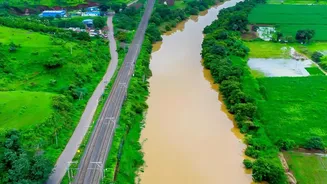
alongside the tracks. Culverts and waterways under bridges are cleared of silt, vegetation, and garbage to ensure there are no blockages that could cause water to back up onto the tracks. In cities like Chennai, this involves close coordination with the Greater Chennai Corporation to ensure that the city’s stormwater drain network and the railway's drainage systems work in tandem. Vulnerable sections of track, especially in low-lying areas, are inspected, and sometimes even raised, to keep them above anticipated water levels.
The Human Element: Eyes on the Tracks
Technology alone isn't enough; a dedicated workforce forms the backbone of monsoon management. Indian Railways deploys special 'monsoon patrolmen' who walk along designated stretches of track, especially during heavy rainfall and at night. These teams look for early signs of trouble like soil erosion, track settlement, or water accumulation. If they spot a potential danger, they have the authority to alert control rooms and even stop an approaching train using hand signals to prevent an accident. These patrolmen are equipped with essential tools and their presence provides a crucial layer of manual oversight, ensuring that even the most remote sections of the track are monitored.
Technology as a Force Multiplier
In recent years, technology has become a critical ally. In flood-prone areas, railways have installed high-capacity water pumps that can be activated to quickly drain water from submerged tracks. Some divisions have deployed intelligent monitoring systems. For instance, Water Level Monitoring Instruments (WLMIs) are installed at critical bridges to provide real-time data on water levels, sending automatic SMS alerts to officials when they cross danger thresholds. Furthermore, to prevent signal failures, which are common when tracks are flooded, older track circuit systems are being replaced with modern, sensor-based axle counters that are less affected by waterlogging.
Operational Strategy: When the Rain Hits
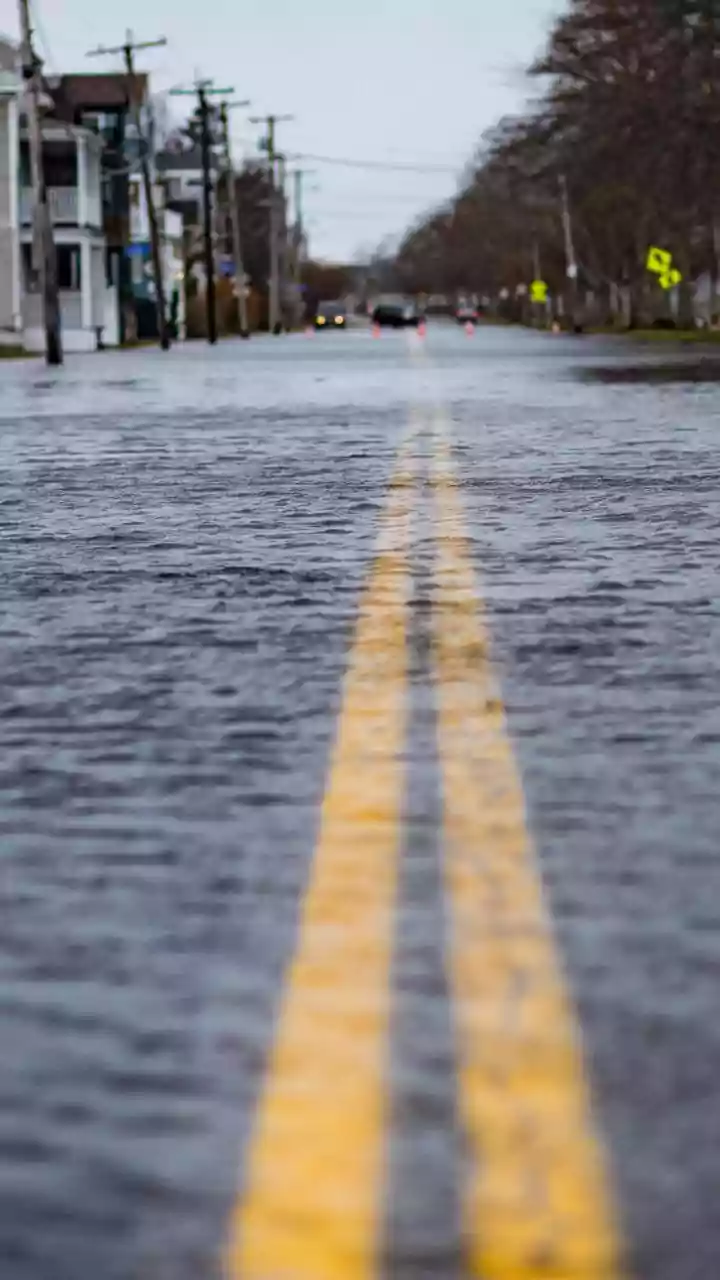
When heavy downpours begin, a specific protocol kicks in. The control room, in constant coordination with the meteorological department, becomes the nerve centre of operations. Loco pilots (train drivers) are given specific instructions on speed restrictions based on the depth of water on the tracks; a manual dictates the precise speed for every level of waterlogging. If water levels rise above a certain point, typically a few inches above the rail, services may be suspended on that section for safety. In such situations, the priority is passenger safety, and the Divisional Railway Manager (DRM) is empowered to coordinate with district authorities for relief and rescue if a train gets stranded. Emergency materials like boulders, sandbags, and stone dust are kept in reserve at strategic locations for swift repairs.
Keeping Passengers Informed
Communication with the public is a key part of the monsoon management strategy. Railways use a multi-channel approach to keep commuters updated on delays, diversions, or cancellations. Announcements are made frequently over public address systems at stations. Information is also pushed out through social media handles and dedicated railway apps. This real-time flow of information, while not always perfect, is designed to help passengers make informed decisions about their travel plans and reduce the chaos and uncertainty that often accompany monsoon disruptions.