
The Rise of the Arc
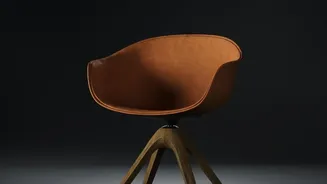
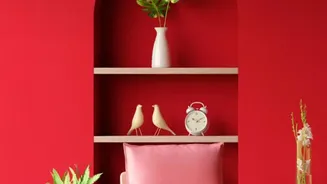
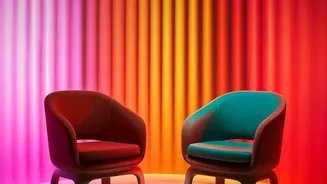
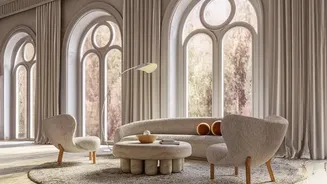
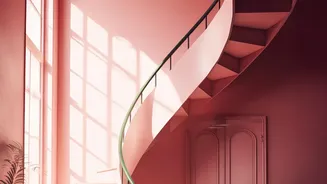
The return of curved furniture marked a significant shift away from the rigid minimalism that dominated previous years. Sofas with sculptural silhouettes, circular coffee tables, and arched cabinets flooded design feeds, offering a softer, gentler visual
language. This trend was more than just aesthetic; it was a response to a collective desire for homes that feel like sanctuaries—calm, nurturing, and comfortable. Inspired by the organic shapes found in nature, curves make a space feel more inviting, reduce visual harshness, and encourage a natural sense of flow. Psychologically, rounded forms are perceived as more welcoming and can even help reduce stress, making them a perfect fit for our increasingly hectic lives. This move toward softer forms reflected a need for comfort, flexibility, and emotional connection in our living spaces.
The Power of the Straightaway
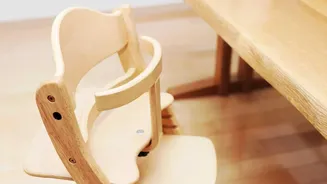
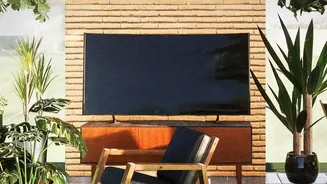
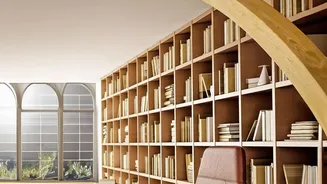
While curves offer softness, straight lines provide the essential foundation of structure and order in most interiors. Horizontal lines—found in low-profile sofas or long consoles—create a sense of calm and stability, making a room feel grounded. Vertical lines, seen in tall bookshelves or window frames, draw the eye upward, adding a feeling of height and grandeur. Without the anchor of straight lines, a room full of curves can risk feeling undefined or overly whimsical. It’s the clean, predictable nature of linear forms that provides the necessary contrast, making the curves themselves appear more intentional and impactful. An overabundance of sharp angles can make a space feel rigid or cold, but when used as a grounding force, they bring a sense of precision and stability that is crucial for a well-balanced room.
Finding the Perfect Balance
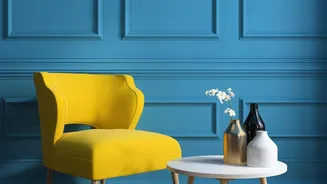
The most compelling interiors today are not choosing sides; they are embracing the interplay between both shapes. The rebalance is about strategic combination. It’s the dynamic tension between the fluid and the fixed that creates a layered, sophisticated, and personal space. An arched mirror feels more striking when hung above a rectangular console table; a round coffee table becomes a beautiful focal point in a room with an angular sofa. This contrast prevents the design from feeling one-dimensional. A room that is exclusively linear can feel formal and unwelcoming, while one filled only with curves may lack structure. By blending these elements, you create a visual conversation in the room, guiding the eye and adding a sense of rhythm and personality.
How to Mix Shapes in Your Home
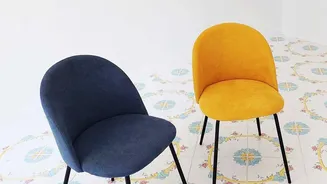
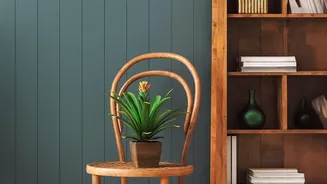
Bringing this balanced approach into your own space doesn't require a complete overhaul. Start by identifying the dominant lines in your room. Most rooms are inherently boxy, with straight walls, floors, and ceilings providing a natural grid. Your job is to intentionally interrupt that grid. Introduce a round rug to soften the floor, or hang an oval mirror to break up a flat wall. In the living room, pair a plush, curved sofa with a rectangular coffee table and a linear bookshelf. In the dining room, consider surrounding a solid, rectangular table with chairs that have a curved back. Even small accessories can make a difference: place a sculptural, rounded vase on a straight-edged mantelpiece or bookshelf. The key is to let one type of line lead while the other provides contrast and relief.
Simple Steps for Getting Started
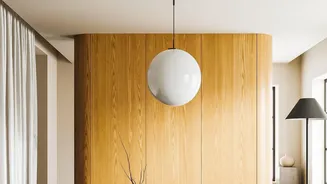
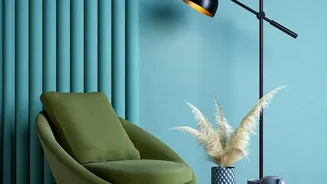
If you're unsure where to begin, think about the 80/20 rule. Let about 80% of your room's main elements be one shape (likely linear, due to architecture) and use the remaining 20% to introduce the contrasting shape. Lighting is an excellent and often overlooked way to introduce curves. An arched floor lamp can soften a sharp corner, while a chandelier with globe-shaped shades can become a sculptural centerpiece. Also, consider texture. Soft materials like bouclé or velvet can give a structured, linear sofa a gentler feel, balancing shape with finish. Don't be afraid to experiment. The goal isn't to follow a rigid formula but to create a space that feels harmonious and interesting to you. Start small, trust your eye, and notice how the interplay of shapes changes the entire mood of your room.