







The Great Protein Boom
Protein is essential. It builds muscle, repairs tissue, and supports our immune system. There's no debating its importance. Food companies, aware of protein's healthy reputation, have turned it into a powerful marketing tool. Over the last decade, the number
of products advertised as 'high-protein' has skyrocketed. This isn't just for bodybuilders anymore; everyday snacks from cookies to chips now boast added protein, creating a 'health halo' that makes them seem more virtuous than they are. The message is clear: more protein is always better. But nutrition science tells a more nuanced story, suggesting that this obsession might be driven more by profit than by public health needs.
How Much Do You Really Need?
Despite the marketing push, most people in India and across the world already get enough protein. The standard recommendation for a healthy adult is about 0.8 grams of protein per kilogram of body weight. For a 70 kg person, that’s around 56 grams per day—an amount easily met through a balanced diet of dals, legumes, eggs, dairy, or meat. Even a single serving of chicken or a hearty bowl of lentils can provide a significant portion of your daily needs. While athletes or older adults might require slightly more, the average person isn't deficient. The idea that we need to actively seek out extra protein through fortified products is largely a myth for the majority of the population.
The Hidden Downsides of Too Much Protein
Consuming protein far above your body's needs isn't just unnecessary; it can carry health risks. When you overeat protein, especially from animal sources high in saturated fat, you may increase your risk of heart disease. Your kidneys also have to work harder to filter out the waste products from protein metabolism, which can put a strain on them over the long term, particularly if you have any pre-existing kidney issues. Other reported side effects of consistently high protein intake include dehydration, digestive issues like constipation, and potential bone and calcium disorders. Researchers have also found links between very high protein diets and an increased risk of certain health problems.
Whole Foods vs. Processed Powders
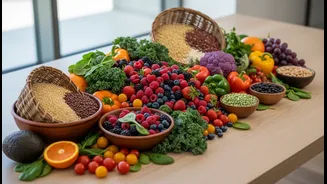
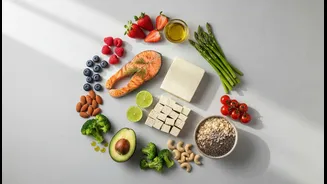
The source of your protein matters immensely. Nutrition experts consistently recommend getting your protein from whole foods. A bowl of dal, a handful of nuts, or a piece of grilled fish offers more than just protein; they provide fibre, vitamins, minerals, and healthy fats that work together to support your overall health. In contrast, many high-protein snacks and powders are ultra-processed. They may deliver a dose of isolated protein, but often come with added sugars, refined oils, and artificial ingredients, while lacking the other essential nutrients found in whole foods. A protein bar is not a substitute for a balanced meal. While supplements can be convenient for athletes post-workout, they can't replicate the complex nutritional benefits of real food.
Reading Between the Labels
So, how can you be a smarter consumer? The first step is to ignore the flashy claims on the front of the package. Turn it over and read the nutrition label and ingredient list. Is the product high in sugar or unhealthy fats? Is the ingredient list full of artificial additives? A cookie with added protein is, at the end of the day, still a cookie. Instead of being swayed by the 'high protein' callout, focus on building your meals around whole food sources. Think dal, chickpeas, paneer, eggs, chicken, and fish. These foods will not only help you meet your protein needs but will also provide a wealth of other nutrients essential for good health.