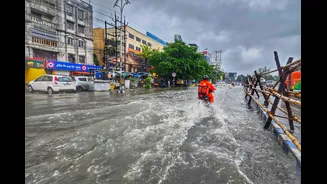







Understanding the Latest Rain Alerts
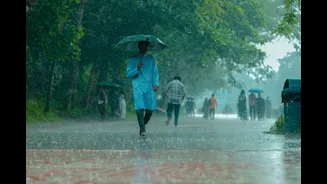
The India Meteorological Department (IMD) has issued alerts for heavy to very heavy rainfall across several parts of the country. States in the Northeast, including Assam and Meghalaya, are expected to see significant rainfall, as are Himalayan regions
like Uttarakhand and Himachal Pradesh. Active monsoon conditions are also predicted for Northwest India, covering Delhi, Punjab, and Uttar Pradesh between August 3 and August 7. In the south, Kerala is experiencing moderate to heavy rains, leading to alerts and disruptions. Central India and eastern states like Odisha and West Bengal are also on watch. These alerts mean commuters should prepare for potential waterlogging, traffic snarls, and transport delays. Weather departments advise checking local updates before travelling.
Your Secret Weapon: Covered Pick-Up Points
One of the most frustrating parts of a rainy-day commute is waiting for your cab while getting drenched. This is where covered pick-up points become essential. These are designated, sheltered areas where you can wait for your ride-hailing service comfortably. You can commonly find them at major transit hubs like airports, some metro stations, large shopping malls, and corporate office parks. These zones are designed to streamline the pick-up process, keeping you out of the downpour and making it easier for drivers to locate you. Instead of dropping a pin on an exposed, rain-swept street corner, you can select one of these official points for a much smoother start to your journey. At major airports like Hyderabad and Mumbai, for example, there are specific zones for app-based taxis, though they may require a short walk from the arrivals hall.
How to Find and Use Sheltered Pick-Up Spots
While major ride-hailing apps like Uber and Ola are widely available across Indian cities, their platforms don't always have a dedicated filter to find every covered pick-up point. However, at major locations like airports or prominent malls, these spots are often listed as official pick-up locations within the app itself. When you book your ride, zoom into the map and look for named locations like "Ola/Uber Pick-Up Zone" or designated gates. If you're at a large public venue, look for physical signage directing you to these areas. Another strategy is to manually adjust your pin to a location that you know has an overhang or awning, like the entrance of a hotel, a cafe, or a building with a large portico. This small adjustment can make a huge difference, ensuring you and your belongings stay dry.
Smarter App Usage During a Downpour
Beyond finding shelter, other app-based tactics can save you time and stress. Firstly, anticipate surge pricing. During heavy rain, demand for cabs skyrockets, and so do the prices. If you can, try to travel during off-peak hours or wait for the initial rain-induced rush to subside. It's always a good idea to have both Ola and Uber apps to compare fares and availability. Secondly, be patient. Traffic will be slower than usual, so drivers may take longer to reach you. Using the GPS tracking feature to monitor your driver's progress can give you a realistic arrival time. Finally, if you know rain is forecast, consider pre-booking your ride where the service is available. This can sometimes help you secure a cab before the demand peaks.
Your Monsoon Commuting Checklist
A little preparation goes a long way. Before you even think about booking a cab, run through this quick checklist. First, check the latest weather forecast and traffic advisories for your route. Charge your phone fully and carry a power bank; travel delays can drain your battery when you need it most for communication and tracking. Protect your electronics and important documents by placing them in waterproof pouches or even simple zip-lock bags. Wear appropriate footwear with good grip to navigate slippery surfaces safely. Finally, an umbrella is a must, but a lightweight raincoat or poncho can be even more practical, keeping your hands free to manage your phone and bags. Being prepared means a sudden downpour is just a minor inconvenience, not a trip-ruining disaster.