





The Trend: Functional Biophilic Design
The latest wave in home decor is all about “functional biophilic design.” It sounds complex, but the idea is simple: using natural elements, specifically plants and materials, to perform a job in your home. Instead of just looking pretty, these decor pieces
actively work to solve a common problem, and in a humid climate like India’s, their biggest task is managing moisture. This trend moves beyond simply placing a pot plant in the corner. It’s about strategically choosing decor that breathes and absorbs excess humidity, creating a more comfortable and healthier indoor environment without increasing your electricity bill. It’s a sustainable, low-energy alternative to electric dehumidifiers, tapping into the power of nature to balance your home’s atmosphere.
Nature’s Dehumidifiers: The Right Plants
The stars of this trend are houseplants known for their ability to absorb moisture through their leaves. Unlike some plants that release moisture, these actively pull it from the air, helping to reduce that sticky, damp feeling. For Indian homes, several effective and easy-to-find options exist. Boston Ferns, Peace Lilies, and Spider Plants are excellent choices that thrive in indoor conditions and are known for their moisture-absorbing properties. Others like the Snake Plant, Areca Palm, and Money Plant also contribute to better air quality and can handle the ambient humidity well. Arranging a few of these in areas prone to dampness, like bathrooms, kitchens, and balconies, can make a noticeable difference while adding a lush, green aesthetic.
Beyond Greenery: Absorbent Materials
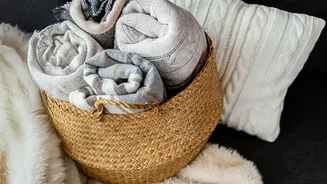
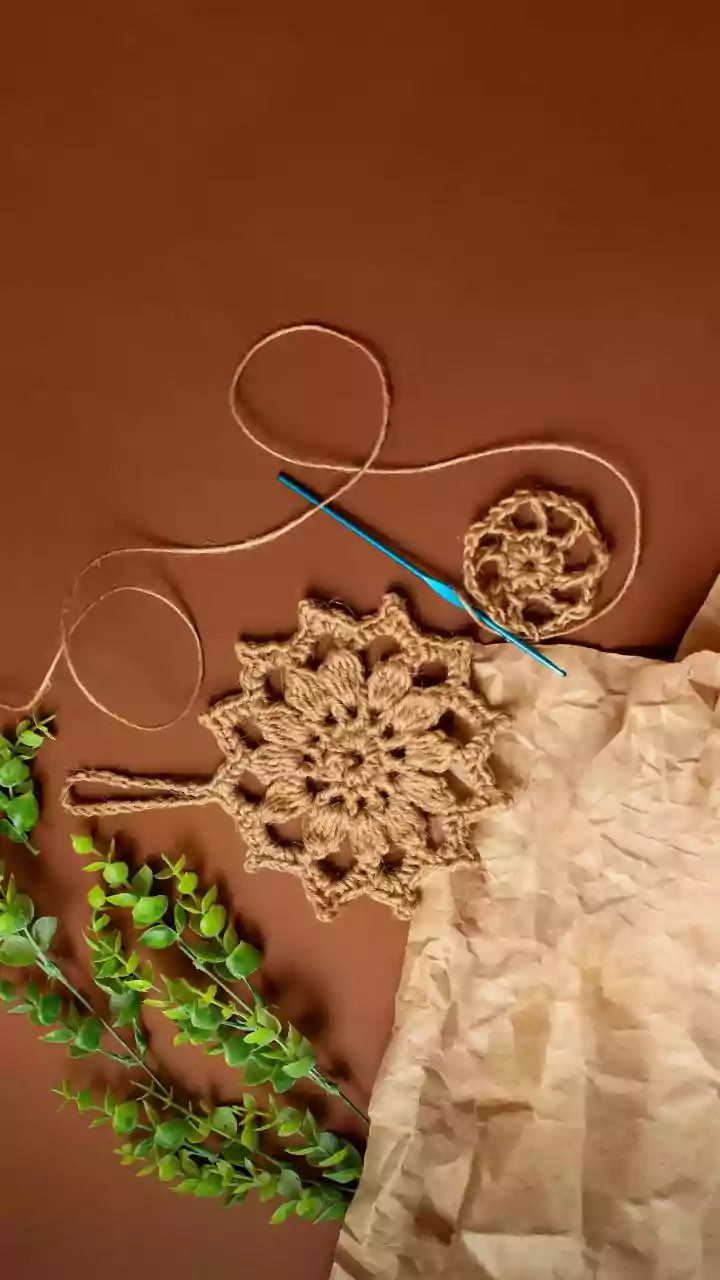
This trend isn’t limited to plants. The materials you choose for your decor play a huge role. Natural, porous materials are excellent at soaking up ambient moisture. Think unglazed terracotta pots, clay wall hangings, and even woven baskets made of jute or cotton. These materials are not only rooted in Indian craft traditions but are also functional. For instance, a jute basket is more breathable than a plastic bin, and a terracotta planter helps regulate moisture for the plant within it. Another powerful, though less decorative, option is bamboo charcoal. Placing small bags of charcoal in closets, drawers, or damp corners can effectively absorb moisture and eliminate musty odours.
How to Integrate the Trend at Home
Adopting this trend doesn't require a complete overhaul. Start small by identifying the most humid spots in your home. Is it the corner of the bedroom that feels damp during the rains? Or the area near the shower? Begin by placing one or two moisture-absorbing plants there. Swap out plastic planters for terracotta or other unglazed ceramic options. Instead of synthetic fabrics for cushion covers or throws, opt for breathable natural fibres like cotton or linen, which don't trap heat and moisture. When storing items, consider using woven jute baskets instead of sealed plastic containers to allow for better air circulation. Even leaving a bit of space between furniture and walls can improve airflow and prevent moisture from getting trapped.