




The Hidden Sugar Trap
Let’s be honest about what’s inside many of those convenient, factory-sealed coolers. A quick glance at the ingredients list often reveals a concoction of sugar, high-fructose corn syrup, artificial flavours, and colours. While they deliver a momentary
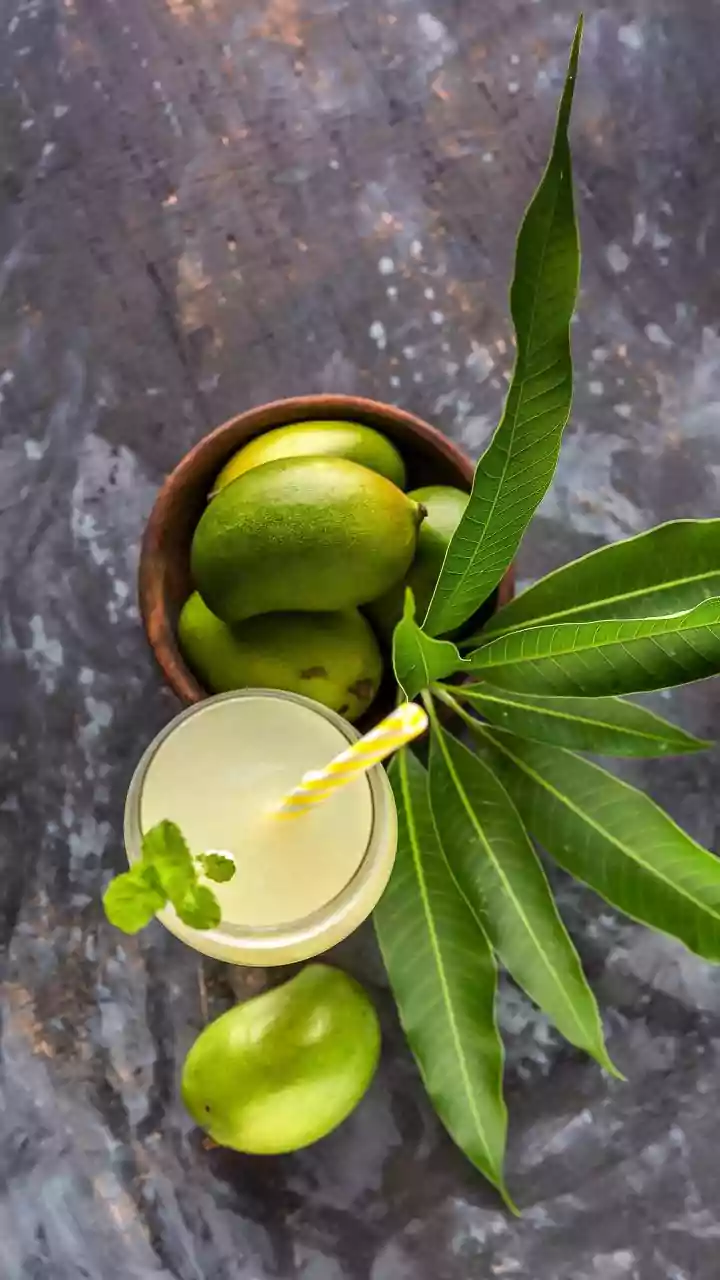
hit of sweetness and cold, they are essentially empty calories. That 200ml tetra-pack of mango drink might contain more sugar than you’d consume in a day, leading to a rapid spike in blood sugar followed by an energy crash. These drinks quench thirst temporarily but do little to nourish the body. They are engineered for hyper-palatability, making you crave more, and offer almost none of the benefits of the fruit they claim to represent.
The Power of Real Fruit
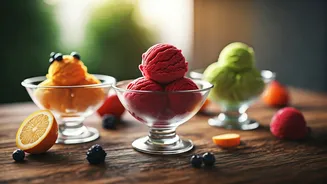
Now, let’s talk about sorbet. At its core, a good sorbet is stunningly simple: fruit purée, a little sugar for texture, and water. That’s it. When you eat a scoop of mango, strawberry, or jamun sorbet, you are primarily consuming the fruit itself. This means you’re getting the vitamins, minerals, antioxidants, and dietary fibre that are naturally present. Unlike juices, where much of the fibre is stripped away, puréeing whole fruit for a sorbet retains more of its goodness. This fibre helps slow down the absorption of sugar, preventing the drastic energy spikes and crashes associated with sugary drinks. It's not just a 'less bad' option; it's a genuinely beneficial one.
Flavour That's Fresh, Not Fake
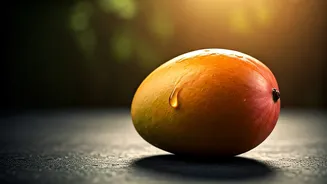
There is no comparison between the authentic taste of a ripe Alphonso mango and the one-note sweetness of an artificial mango flavour. Packaged coolers are designed to have a long shelf life and a consistent, predictable taste, which often means relying on flavouring agents that mimic, but never truly replicate, the real thing. A fruit sorbet, on the other hand, is a celebration of the fruit’s natural complexity. You can taste the tartness of a lemon, the floral notes of a litchi, or the deep, earthy sweetness of a chickoo. It’s a clean, refreshing taste that doesn’t leave a synthetic aftertaste. It’s the difference between hearing a recording of a song and experiencing it live.
Surprisingly Simple to Make at Home
The best part? You don’t need fancy equipment to make incredible sorbet. While an ice cream maker gives you a smoother texture, you can achieve fantastic results with just a blender and a freezer. Here's a basic method: Take about 500g of chopped, ripe fruit (like mangoes or hulled strawberries), add a few tablespoons of sugar or honey (adjust to your fruit's sweetness), and a squeeze of lime or lemon juice to brighten the flavour. Blend until completely smooth. Pour the mixture into a shallow, freezer-safe container. Freeze for about an hour, then take it out and stir it vigorously with a fork, breaking up any ice crystals. Repeat this process 2-3 more times every hour. This simple churning is what gives you a scoopable, smooth sorbet instead of a solid block of ice.
A Cooler for Every Season
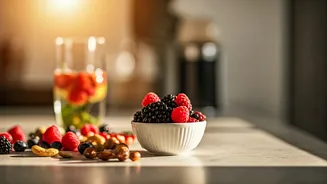
India’s incredible biodiversity of fruits means you can enjoy a different sorbet all year round. The scorching summer months are perfect for mango, watermelon, litchi, and phalsa sorbets. As the monsoon arrives, delight in the unique tastes of jamun (black plum) or sitaphal (custard apple). The cooler winter brings opportunities for vibrant strawberry, orange, or pomegranate sorbets. Making sorbet at home allows you to tap into these seasonal rhythms, ensuring you’re always using the freshest, most flavourful produce available at the local market. It connects you to the seasons in the most delicious way possible.