




The Seduction of a Sprawling Menu
Whether you’re a seasoned restaurateur or an ambitious home cook planning a dinner party, the desire to impress is powerful. A lengthy menu can feel like a sign of skill, generosity, and creativity. For professional chefs, it might stem from a passion
for diverse techniques or a desire to cater to every possible customer whim. For hosts, it’s about showing guests a wonderful time with abundant options. This impulse comes from a good place, but it often ignores the most critical factor in any culinary operation: the finite resources of the kitchen. Every dish requires time, space, and a specific set of ingredients and skills. When the ambition of the menu outpaces the capacity of the team, the entire system begins to fray.
The Hidden Costs of Over-Ambitious Menus
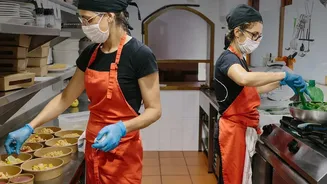
An overly complex menu creates a cascade of problems that extend far beyond a stressed-out chef. For restaurants navigating persistent labor shortages and rising costs, the consequences are particularly severe. With fewer staff in the kitchen, a large menu leads to slower ticket times, an increased risk of errors, and inconsistent food quality. This directly impacts the customer experience, leading to dissatisfaction and potentially lost revenue. Behind the scenes, the kitchen team faces immense pressure and burnout, which contributes to high turnover rates. Furthermore, a wide variety of menu items necessitates a larger, more complex inventory. This ties up capital, increases the chance of food spoilage and waste, and complicates ordering. In short, a menu that ignores the reality of the kitchen's capacity is not just impractical—it's a direct threat to profitability and sustainability.
The Strategic Power of Simplicity
Reducing the number of items on a menu isn't an admission of defeat; it’s a brilliant strategic move. A streamlined menu allows a kitchen to do more with less. By focusing on a smaller selection of dishes, chefs and their teams can perfect their execution, ensuring every plate that goes out is of the highest possible quality. This consistency builds a restaurant's reputation and creates loyal customers who return for their favorite, expertly prepared dishes. Operationally, the benefits are immense. A focused menu simplifies inventory management, reduces food waste, and lowers overall food costs. It also enables faster prep and service, as the kitchen team becomes a well-oiled machine, mastering a core set of tasks. For kitchens dealing with a shortage of experienced staff, a simpler menu is easier to teach and execute, ensuring a consistent standard of quality regardless of who is on the line.
How to Right-Size Your Culinary Vision
The process of streamlining a menu is known in the industry as menu engineering. It’s a data-driven approach to identify what to keep, what to improve, and what to remove. The first step is to analyze sales data to identify your "Stars" (popular and profitable) and your "Dogs" (unpopular and unprofitable). The Dogs should be the first to go. A key strategy for efficiency is the cross-utilization of ingredients. Design dishes that share common components, allowing you to buy in bulk and minimize waste. For example, if you have fresh salmon for a main course, you can use trimmings for a salmon tartare appetizer. Instead of trying to be everything to everyone, define what your kitchen does best and build your menu around those signature dishes. You can keep things fresh and exciting by offering a rotating selection of seasonal specials rather than maintaining a massive, static menu.
Applying the Rule at Home
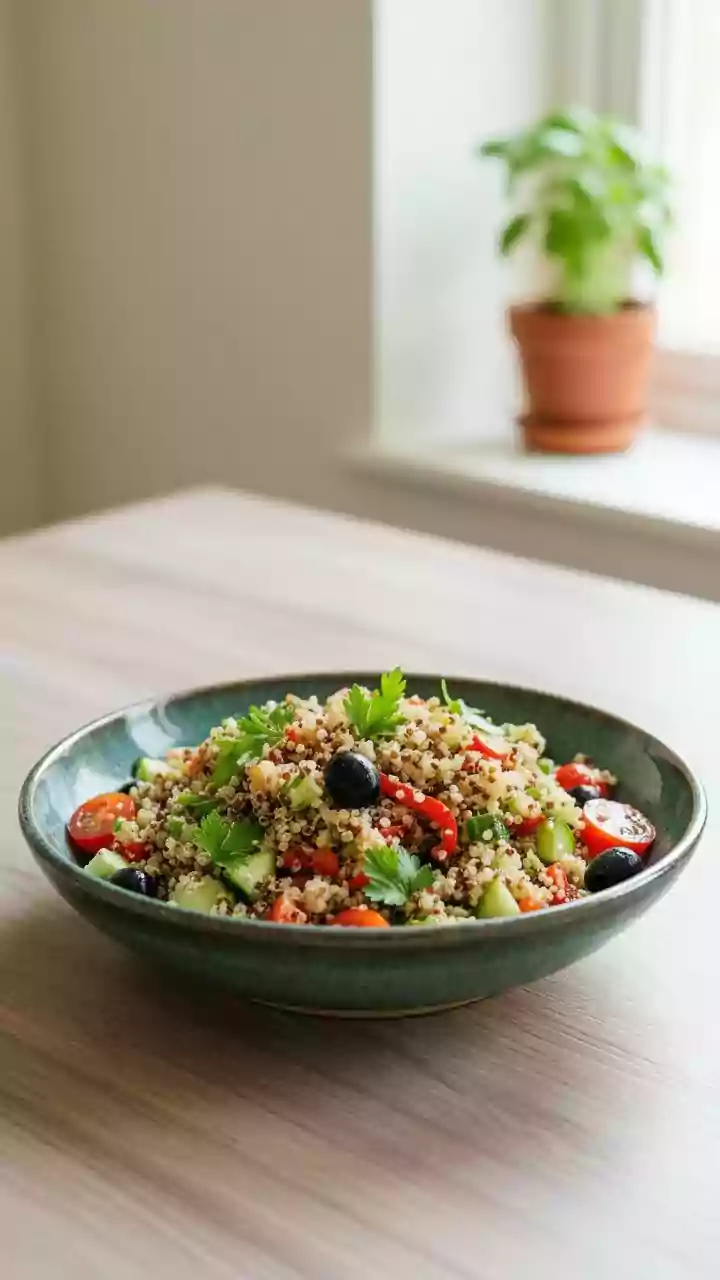
This principle isn't just for professional kitchens. Anyone who has hosted a dinner party knows the stress of trying to juggle too many complex dishes at once. The goal of entertaining is to enjoy the company of your guests, not to be trapped in the kitchen in a state of panic. Apply the same logic: instead of five elaborate side dishes, choose two that you can execute perfectly. Select a main course that can be largely prepared ahead of time. Build a menu where the components share ingredients or cooking methods. A simple, elegant, and perfectly cooked meal is far more impressive than an ambitious, chaotic, and poorly executed feast. By matching your menu to your own capacity, you ensure that you, the host, are relaxed and present—which is the true measure of successful hospitality.