





More Than Just Decoration
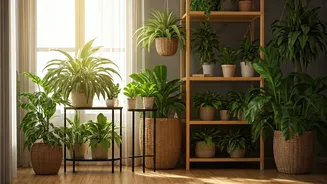
Adding a touch of green to your room does more than just please the eye. Many houseplants are known for their ability to improve the surrounding environment. While the idea that a few plants can completely purify a room's air is an overstatement of early
research, they still offer tangible benefits. Studies and general experience show that being around plants can boost your mood, reduce stress, and create a more calming atmosphere. Some plants also release oxygen at night, which can contribute to a feeling of freshness in spaces like bedrooms. They work by absorbing airborne substances through their leaves and roots and can also help regulate humidity, making your room a more pleasant place to be.
Snake Plant: The Hardy All-Rounder
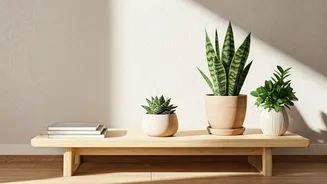
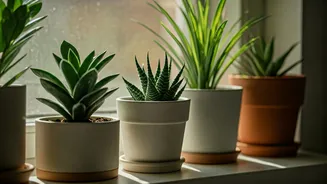
If you’re new to plant parenting, the Snake Plant (Sansevieria trifasciata) is a perfect start. This plant is incredibly resilient, thriving on neglect and tolerating low light conditions. Its key benefit is its ability to filter common household toxins. What makes it especially great for bedrooms is its unique ability to convert carbon dioxide into oxygen at night, a process most plants perform during the day. This contributes to a fresher atmosphere while you sleep. To care for it, water only when the soil is completely dry, as it's a succulent that stores water in its leaves and is prone to root rot if overwatered.
Areca Palm: The Tropical Humidifier
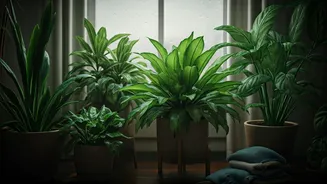
For a touch of the tropics, the Areca Palm (Dypsis lutescens) is an excellent choice. With its lush, feathery fronds, it’s a powerful natural humidifier, releasing moisture into the air. This can be particularly beneficial in dry, air-conditioned rooms common in Indian homes. Areca Palms are also effective at filtering certain pollutants from the air. They thrive in bright, indirect sunlight, so placing them near a south or west-facing window is ideal. Keep the soil consistently moist but not waterlogged, and ensure the pot has good drainage. Wiping the leaves occasionally will keep them dust-free and looking vibrant.
Spider Plant: The Easy Propagator
The Spider Plant (Chlorophytum comosum) is another low-maintenance favourite, known for its distinctive arching leaves and easy propagation. These plants are efficient at removing pollutants like formaldehyde and carbon monoxide from the air. They are also perfectly safe for homes with pets and children. Spider plants prefer bright, indirect light and the soil to be kept evenly moist. One of their most charming features is the production of “spiderettes,” or baby plants, that hang down from the mother plant. These can be easily repotted to create new plants, allowing you to spread the greenery throughout your home.
Peace Lily: The Elegant Purifier
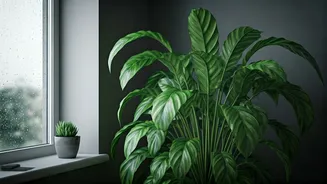
The Peace Lily (Spathiphyllum) is known for its beautiful white blooms and glossy dark green leaves. It’s a powerful air-purifying plant that can help filter common toxins like ammonia and benzene. It also helps to increase humidity and can even reduce airborne mould spores, making it a great choice for bathrooms or kitchens. Peace Lilies are tolerant of lower light levels, though they need bright, indirect light to produce their signature flowers. An easy way to know when to water is to wait for the plant to droop slightly, which tells you it’s thirsty. It's important to note that Peace Lilies are toxic if ingested, so they should be kept away from curious pets and children.
Money Plant: The Versatile Vine
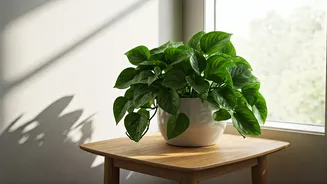
A common sight in many Indian households, the Money Plant (Epipremnum aureum), or Pothos, is renowned for its hardiness and versatility. This trailing vine is effective at removing indoor pollutants such as formaldehyde and carbon monoxide. It can be grown in either soil or water and thrives in a variety of light conditions, making it incredibly easy to care for. Its heart-shaped leaves can be trained to climb a trellis or trail from a hanging basket, adding a lush, green element to any corner of your room. Its resilience and air-cleaning properties make it a reliable and popular choice.