



The Science of Green Serenity
The idea that being around nature is good for us isn't new, but science is now backing it up with compelling evidence. This concept is often linked to the 'biophilia hypothesis,' which suggests humans have an innate tendency to connect with nature. Studies
have shown that interacting with indoor plants can lead to a measurable reduction in stress. A 2015 study found that active engagement with plants, such as repotting, can lower heart rate and blood pressure. Simply being in a room with plants can reduce levels of cortisol, the body's primary stress hormone, leading to a greater sense of calm and well-being. Some research even indicates that having greenery in a room can reduce feelings of anxiety and depression by significant margins.
More Than Just a Pretty Leaf
Beyond the direct psychological benefits, indoor plants are quiet workhorses for improving your environment. One of their most famous benefits is air purification. A well-known 1989 NASA study found that common houseplants can remove harmful volatile organic compounds (VOCs) like benzene and formaldehyde from the air, chemicals often found in household products. Plants also release oxygen through photosynthesis and increase humidity through a process called transpiration, which can help combat the dry air from air conditioning, potentially easing respiratory discomfort. Furthermore, the simple act of caring for a living thing can provide a sense of purpose and routine, fostering mindfulness and pulling your attention away from daily stressors.
Start Small, Start Cheap
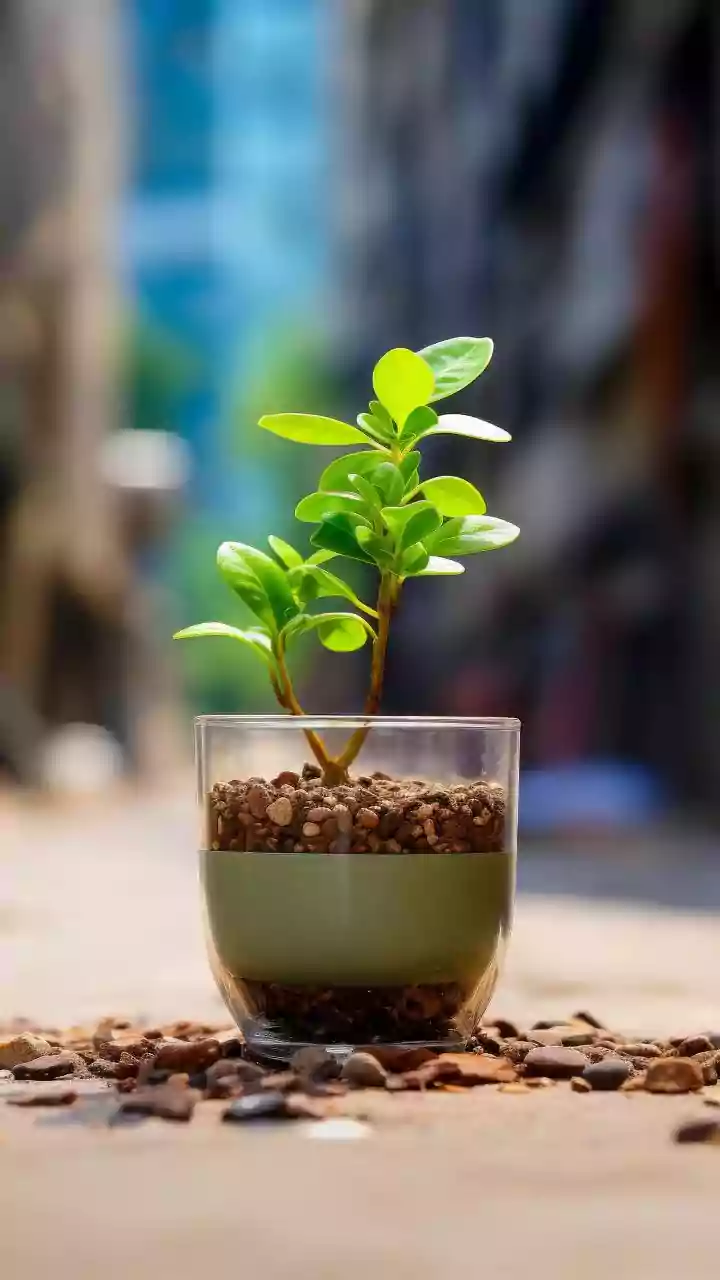
The 'low-cost' part of this wellness hack is what makes it so accessible. You don't need a rare, expensive specimen to reap the rewards. Your local nursery is a fantastic place to start, often with saplings and small pots that are very affordable. Don't overlook online marketplaces and community groups, where plant enthusiasts often trade or give away cuttings. Propagating plants from a friend’s collection is another free way to begin. A single 'mother' plant can eventually be propagated into many, filling your home with greenery for the cost of one initial purchase. The beauty of this approach is that it is sustainable, both for your wallet and the environment.
Five Budget-Friendly Starter Plants
Ready to begin your indoor garden? Here are five nearly indestructible and inexpensive plants perfect for beginners: 1. Snake Plant (Dracaena trifasciata): Often called the perfect houseplant, it tolerates low light and infrequent watering. It’s also an excellent air purifier. 2. Spider Plant (Chlorophytum comosum): This plant is highly adaptable and easy to propagate thanks to the 'spiderettes' it produces. It thrives in a variety of light conditions and is forgiving if you forget to water it occasionally. 3. Pothos (Epipremnum aureum): Known as Devil's Ivy, this trailing vine is incredibly resilient and can thrive in low light. It's perfect for hanging baskets or shelves and is very easy to grow from cuttings. 4. ZZ Plant (Zamioculcas zamiifolia): If you tend to forget your plants, the ZZ plant is for you. It's extremely drought-tolerant thanks to its water-storing rhizomes and does well in low light. 5. Peace Lily (Spathiphyllum): Not only does it produce elegant white flowers, but the Peace Lily is great in low to medium light and is known for being a powerful air purifier. It also has the helpful trait of drooping slightly when it needs water, taking the guesswork out of your care routine.
Create Your Calming Corner
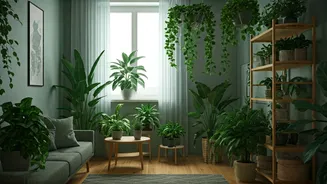
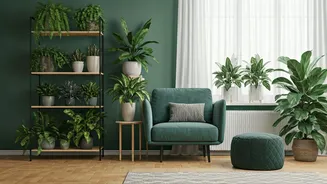
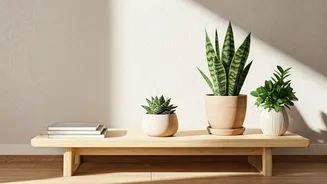
Once you have a plant or two, the final step is to be intentional about their placement. You don't need an indoor jungle to feel the effects; even a single plant on your desk or beside your favourite chair can make a difference. Grouping a few plants together can create a mini 'green nook' that serves as a visual anchor of calm. The act of looking up from a screen to a living, green thing can be a micro-break for your mind, improving focus and reducing mental fatigue. By nurturing this small piece of nature indoors, you are actively cultivating a more peaceful and restorative personal space.