


The Landmark Proposal
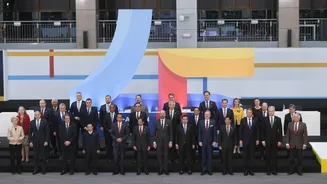
During the 23rd ASEAN-India Summit held in Manila on November 17, 2026, Indian Prime Minister Narendra Modi announced a raft of new initiatives designed to strengthen the comprehensive strategic partnership between India and the regional bloc. The most
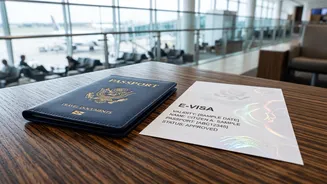
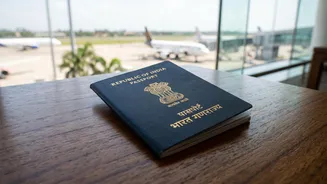
significant proposal for travellers is a plan to waive the government fee for electronic tourist visas for citizens from all eleven ASEAN countries. While an official start date and specific eligibility criteria are yet to be released, the move signals a clear intent to make India a more accessible and attractive destination for tourists from the region. It's important to note this is a fee-waiver, not visa-free travel; eligible tourists will still need to complete the online e-visa application process before their trip.
Which Countries Are Included?
The Association of Southeast Asian Nations (ASEAN) is a powerful regional bloc focused on economic, political, and cultural cooperation. Following the admission of Timor-Leste in late 2025, the group now consists of eleven member states. The proposal would cover tourists from all of them: Brunei, Cambodia, Indonesia, Laos, Malaysia, Myanmar, the Philippines, Singapore, Thailand, Timor-Leste, and Vietnam. Currently, India already offers a free 30-day tourist e-visa to citizens of five ASEAN nations: Indonesia, Malaysia, Myanmar, the Philippines, and Thailand. This new plan would harmonize the policy by extending the benefit to the remaining six countries, creating a uniform and welcoming visa policy for the entire bloc.
A Boost for Tourism and 'Act East'
This initiative is a cornerstone of India's 'Act East' policy, which evolved from the 'Look East' policy of the 1990s to create deeper, more action-oriented engagement with the region. By removing the financial barrier of visa fees, which can range from $10 to $25 for a 30-day e-visa, India aims to stimulate significant growth in tourist arrivals. The focus is on enhancing the '3 Cs' of the policy: Commerce, Culture, and Connectivity. Easier travel promotes greater people-to-people connections and cultural exchange, which are seen as vital for strengthening diplomatic and economic ties. For India, it is a strategic move to attract more visitors to key destinations, particularly the Buddhist circuit, which is of huge interest to travellers from many ASEAN nations.
What This Means for Travellers
For a tourist from a country like Vietnam, Singapore, or Brunei, this change means a simpler and more cost-effective travel planning process. The savings on visa fees for a family or a group of travellers can be substantial, making a trip to India more appealing. The proposal is part of a wider effort by the Indian government to make its visa system more user-friendly. In early November 2026, the Ministry of Home Affairs announced plans to streamline visa application forms, reducing the number of required fields by as much as 70%. This combination of a fee waiver and a simplified application process is designed to remove administrative hurdles and encourage more spontaneous and frequent travel from one of the world's most dynamic regions.
Strengthening Regional Bonds
The visa proposal was announced alongside other key initiatives, including long-term maritime cooperation, collaboration on critical minerals, and technical exchanges in nuclear energy. This package of measures underscores the growing importance of the India-ASEAN relationship. With shared values and deep cultural links, both sides are looking to foster cooperation over competition in an uncertain global landscape. As direct flights increase between India and nine of the eleven ASEAN nations, the foundation for a new era of tourism and mutual understanding is being firmly established. The year 2027 will mark the 35th anniversary of India-ASEAN relations, and this visa initiative is a clear step towards celebrating that milestone with open arms.