






The Flashpoint Incident
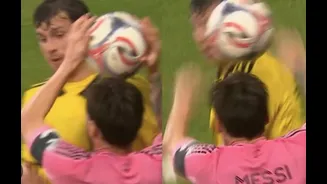
The controversy erupted on the stroke of halftime during Inter Miami's 3-0 loss to the Columbus Crew on Saturday. Already trailing 1-0 and down to 10 men after Gonzalo Luján was sent off, Miami's frustrations were palpable. As Messi attempted to take
a quick throw-in, Columbus forward Gonzalo Tapia stood in his way, obstructing the restart. In a clear show of frustration, Messi threw the ball from close range, striking Tapia in the face. The Chilean player went to the ground, and a scrum ensued. Referee Allen Chapman intervened, ultimately showing yellow cards to both Messi and Tapia for their roles in the confrontation.
The Coach's Angry Reaction
In the post-match press conference, Columbus Crew coach Laurent Courtois did not mince words. He was adamant that Messi should have received a red card for his actions, not just a yellow. "Everybody knows that he deserved more than a yellow card," Courtois stated, adding, "It's just really sad." The sentiment from the Columbus camp was clear: they believed Messi was given preferential treatment and that any other player would have been dismissed for a similar offense, which would have left a 10-man Miami side to play the second half with just nine players.
What Do The Rules Say?
The Laws of the Game are specific about sending-off offenses. A player can be shown a red card for 'violent conduct'. This is defined as an action where a player uses or attempts to use excessive force or brutality against an opponent when not challenging for the ball. The key distinction often comes down to the referee's interpretation of the force used. Was it 'negligible' or 'excessive'? An action like throwing the ball at an opponent falls squarely into a gray area. If deemed an act of aggression with intent to harm or intimidate using excessive force, it warrants a red card. If seen as a moment of petulance without significant force, a yellow card for unsporting behavior is the more likely outcome.
The Referee's Explanation
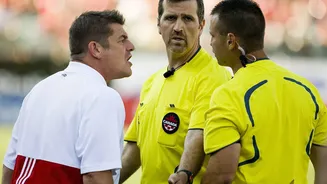
Referee Allen Chapman provided a clear, if controversial, justification for his decision. Speaking to a pool reporter after the match, Chapman explained why Messi was only booked. "The force used was negligible and the offense did not reach the level of violent conduct," he said. This official explanation confirms that the refereeing team saw the incident but judged Messi's action to be below the threshold required for a red card. The decision to also book Tapia suggests the officials felt he helped provoke the situation by impeding the throw-in.
Verdict: Leniency or the Correct Call?
So, was Messi spared? The answer depends entirely on one's interpretation of 'negligible force'. Courtois and his team clearly felt the act of throwing a ball at an opponent's face is, by definition, violent conduct, regardless of the speed. They have a strong argument; it's a deliberate, non-footballing act of aggression. On the other hand, Chapman's defense also has merit within the laws. Video shows Messi didn't rear back and hurl the ball with maximum power; it was a short, sharp push or throw from a close distance born of frustration. While unsporting, it arguably lacked the 'brutality' the violent conduct rule is designed to punish. Ultimately, it was a subjective judgment call in a high-pressure moment. While another referee might have easily brandished a red card, Chapman made a defensible, albeit lenient, decision based on his interpretation of the force involved. The debate itself highlights the constant tension in officiating: applying rules consistently while also managing the spirit and temperature of a game.