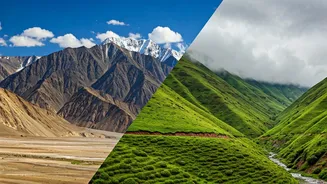



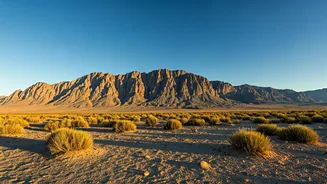


The Rain Shadow Sanctuary: Ladakh
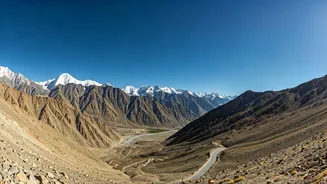
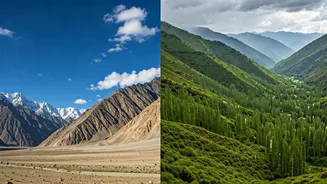
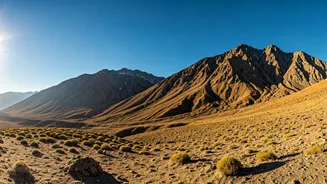
While most of India experiences heavy rainfall from June to September, Ladakh remains a sanctuary of dry weather. Nestled in the rain shadow of the Himalayas, this high-altitude desert receives minimal rainfall, ensuring clear blue skies and pleasant
temperatures. This makes it the peak season for exploring Ladakh's otherworldly terrain. All major destinations like Pangong Tso, Nubra Valley, and Tso Moriri are accessible, their stark beauty amplified by the crisp air. The season is perfect for adventure seekers, with opportunities for trekking, white-water rafting on the Zanskar and Indus rivers, and motorbiking across some of the world's highest motorable passes like Khardung La. Cultural festivals, such as the Hemis Festival, often fall during these months, offering a vibrant glimpse into Ladakhi traditions. While the risk of flight delays or road closures on the approach highways from Manali and Srinagar exists due to rains in the lower regions, once you are in Ladakh, the weather is dependably welcoming.
Embracing the Drama: The Western Ghats
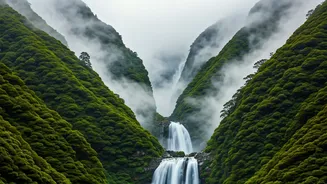
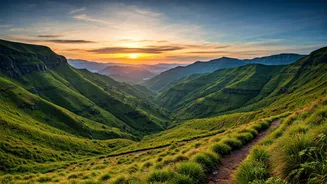
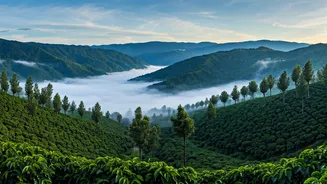
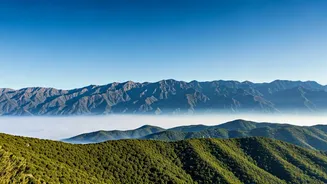
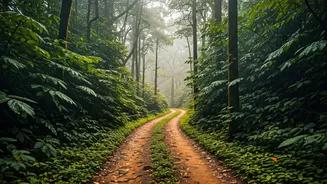
In stark contrast to Ladakh’s aridity, the Western Ghats welcome the monsoon with open arms, transforming into a vibrant emerald paradise. The 'drama' here is a sensory overload in the best way possible: rolling hills shrouded in mist, the fresh scent of petrichor, and the constant, roaring soundtrack of countless waterfalls coming to life. This UNESCO World Heritage site, which stretches across several states, offers a completely different kind of monsoon magic. Destinations like Malshej Ghat, Lonavala, Munnar, and Coorg become impossibly green and romantic. The experience here is less about long-distance expeditions and more about immersive, atmospheric moments. Think long drives through fog-laden roads, impromptu stops to enjoy roasted corn on the cob while watching a waterfall, and short, muddy treks through dense forests to discover hidden streams. It's the ideal escape for those looking for a quick, rejuvenating weekend getaway from cities like Mumbai, Pune, or Bangalore.
A Tale of Two Journeys
The journey to each destination is as different as the places themselves. Reaching Ladakh typically involves a flight into Leh, where acclimatisation to the high altitude is crucial, or a multi-day, adventurous road trip across treacherous but stunning mountain passes. This requires significant planning and a healthy budget for time and money. The Western Ghats, on the other hand, are far more accessible. Many of the most popular monsoon spots are a few hours' drive from major metropolitan areas, making them perfect for spontaneous trips. The drive itself, with misty roads and waterfalls at every turn, is a core part of the experience. However, travellers should remain cautious of slippery roads and potential landslides, which are common during heavy downpours.
Which Monsoon Vibe is Yours?
Ultimately, the choice between Ladakh and the Ghats depends on the kind of experience you are seeking. Choose Ladakh if your ideal monsoon trip involves bright sunshine, grand adventures, and a feeling of conquering vast, epic landscapes. It’s for the thrill-seeker, the photographer chasing perfect light, and the traveller who wants to feel on top of the world. Go for the Western Ghats if you find romance in the rain. Choose the Ghats if your idea of a perfect holiday is curling up with a cup of tea while watching the clouds roll by, getting drenched in a warm downpour, and feeling the life force of a forest at its peak. It’s for the romantic, the nature lover, and anyone who believes that getting a little wet and muddy is a small price to pay for such dramatic beauty.