








Beyond the Polished Facade
For decades, beauty marketing sold a dream of perfection, often using heavily edited images and celebrity endorsements. Gen Z, having grown up with social media and its inherent artifice, is largely immune to this approach. This digitally native generation
doesn't just consume marketing; they interrogate it. They crave authenticity and are more likely to trust content that feels real and unscripted. This has led to a growing skepticism of overly polished influencer content and a demand for genuine reviews from real people. Brands are learning that to connect with this audience, they must move away from one-way communication and engage in genuine conversations.
The Ingredient Inquisition
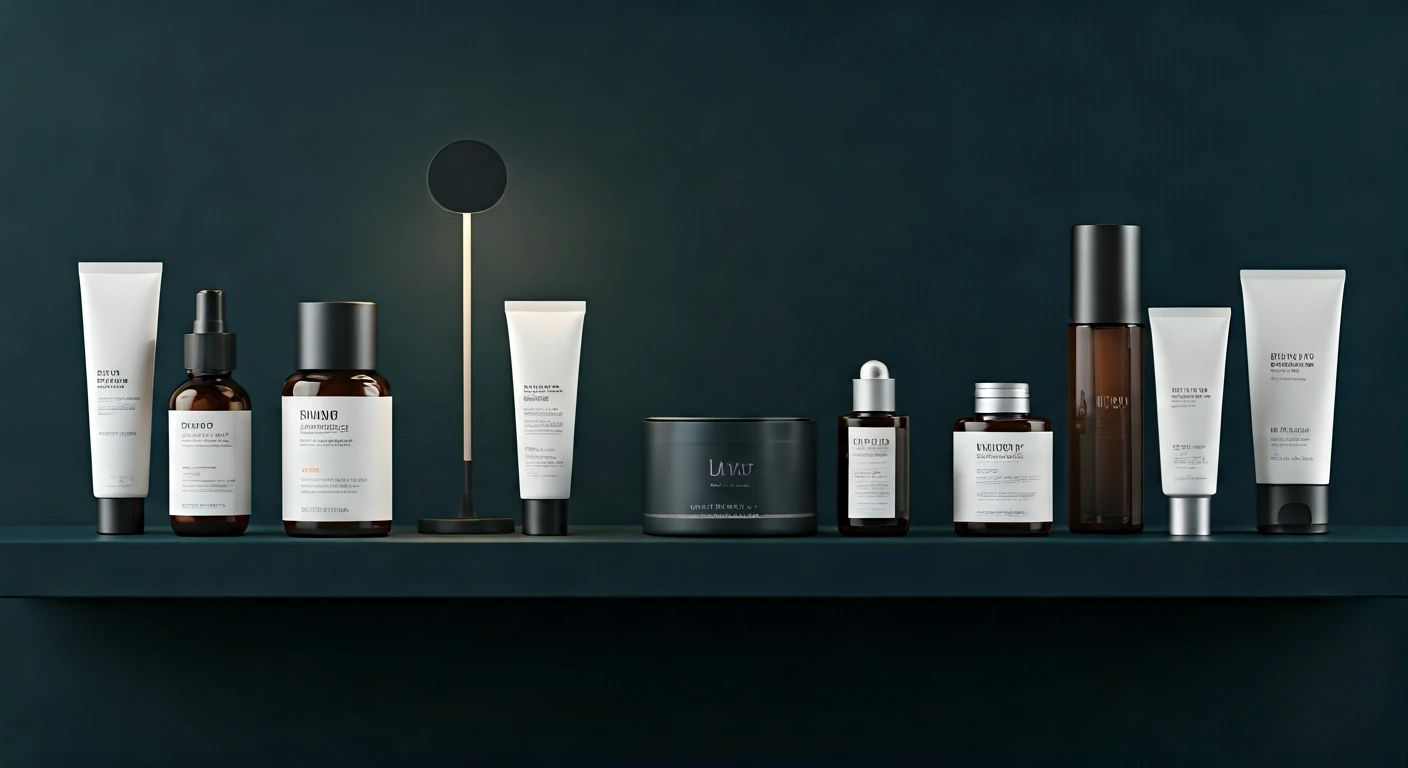
It’s no longer enough for a product to promise results; Gen Z wants to know exactly how it achieves them. This generation meticulously reads ingredient labels and researches active components on platforms like TikTok and Reddit before making a purchase. The demand for transparency is steering the entire industry towards a more accountable future. Terms like 'clean beauty', 'vegan', and 'cruelty-free' are not just buzzwords but powerful purchasing drivers. In India, studies have shown that authentic labelling on product packaging generates a significant feeling of trust among young consumers. Brands that are open about their formulas, sourcing practices, and even their sustainability challenges are the ones building lasting loyalty.
The Rise of the 'De-Influencer'
The traditional influencer model is being challenged by a counter-movement known as 'de-influencing'. This trend sees creators telling their followers what *not* to buy, pushing back against overconsumption and hyped-up products that don't deliver. This reflects a broader fatigue with constant product promotion and a desire for more mindful consumption. While it may seem counterintuitive, de-influencing has become a new form of building credibility. For Gen Z, a creator who gives honest, critical feedback—even if it's negative—is often seen as more trustworthy than one who universally praises every gifted product. This shift puts the power back in the hands of the consumer, who relies on peer reviews and user-generated content (UGC) to make informed decisions.
Values Are the New Vibe
For Gen Z, a purchase is often a form of activism. They are acutely aware of social and environmental issues and actively seek out brands that align with their personal values. In India, Gen Z’s commitment to ethically sourced, natural, and environmentally friendly products is rooted in their deep access to information. They expect brands to be socially responsible and are prepared to boycott those that aren't. This means that a brand’s actions across its entire business—from labour practices to packaging choices—must be integrated and authentic, not just a marketing tactic. Indian brands focusing on sustainability and eco-friendly practices are finding a receptive audience in this generation.
The Expert Next Door
The most influential figures in Gen Z’s beauty world are not always celebrities with millions of followers. Instead, they are often 'expert creators' or peers who have built a community around shared interests and genuine knowledge. These individuals, from dermatologists on TikTok to everyday users documenting their skincare journey, build trust through consistency and authentic experiences. User-generated content is seen as more credible because it provides an unfiltered view of how products perform in real life. For the 377 million-strong Gen Z population in India, authenticity is the price of entry for brands wanting their attention. They are looking for relatable creators and communities, not just corporate advertising.