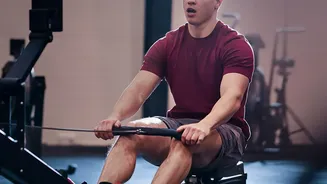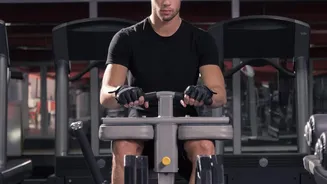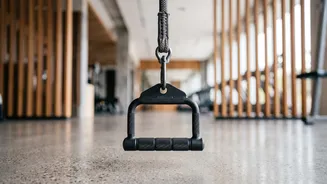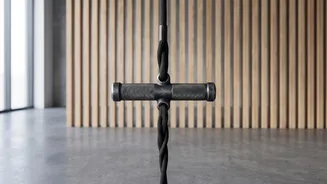




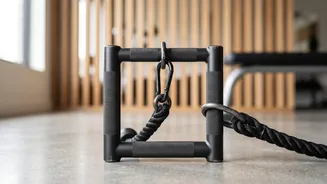
The seated cable row is a cornerstone of any effective back-strengthening routine, prized for its ability to build thickness and power. But are you getting the most out of it? A simple change in your grip can transform this single exercise.
The Foundation of a Strong Back
The seated
row is a powerhouse compound exercise, meaning it works multiple muscle groups at once. Its primary job is to strengthen the major muscles of the back, including the latissimus dorsi (lats), the rhomboids between your shoulder blades, and the trapezius muscles in your upper and middle back. By sitting and bracing your feet, you create a stable base that allows you to isolate these pulling muscles effectively, making it an excellent and safe choice for lifters of all levels. A strong back isn't just for looks; it's fundamental for good posture, shoulder health, and overall functional strength in everyday movements. The beauty of this exercise lies in its versatility—it’s not a one-size-fits-all movement.
The Wide Grip: Building Upper Back Width
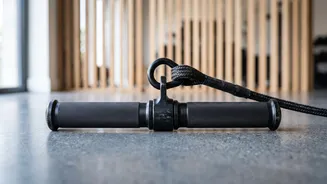
Using a wide, overhand grip on a straight bar attachment shifts the focus to your upper back muscles. When you pull with your elbows flared out to the sides (around a 60 to 90-degree angle from your body), you increase the activation of your rear deltoids, rhomboids, and upper and middle trapezius muscles. This variation is fantastic for developing the muscles that help with posture and creating a wider, more powerful-looking back. Think of this grip as sculpting the 'shelf' of your upper back. Because this position can place more stress on the shoulder joint, it's often best to use a lighter weight than you would with a closer grip, focusing on squeezing your shoulder blades together at the peak of the movement.
The Close Grip: Targeting Thickness and Lats
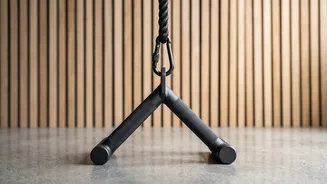
A close grip, whether it's a neutral grip with palms facing each other (like on a V-bar) or a narrow overhand grip, keeps your elbows tucked in close to your sides. This elbow path is key for emphasizing your latissimus dorsi, the large muscles that give your back its V-taper. Pulling the handle toward your stomach with a close grip allows for a strong contraction down the middle and lower back, helping to build density and thickness. This variation is generally considered the strongest and safest position, as it places the shoulder in a more neutral alignment and allows you to pull more weight while reducing strain on the joint.
The Underhand Grip: A Different Angle for Lats
Flipping your hands to an underhand (supinated) grip on the bar introduces another effective variation. Much like a close, neutral grip, the underhand row keeps the elbows tight to the body and heavily targets the lats, particularly the lower portion. However, this grip also significantly increases the involvement of the biceps in the pulling motion. This can be a strategic way to get in extra arm work while still focusing on your back. The supinated position can allow for a deep stretch and a powerful contraction, but it's important to ensure your wrists are comfortable and that you're initiating the pull with your back, not just by curling with your arms.
Single Arm Rows : Correcting Imbalances
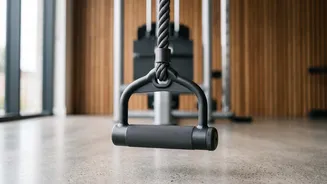
Performing the seated row one arm at a time, known as a unilateral exercise, offers unique benefits that bilateral (two arms) movements can't match. Working each side independently is one of the best ways to identify and correct strength imbalances between your left and right side. Furthermore, your core has to work overtime to prevent your torso from twisting, turning a simple back exercise into a potent core stabilizer. Many people find they can achieve a greater range of motion and a more focused mind muscle connection with single arm rows, leading to better muscle activation and growth.
Form Over Everything : The Golden Rule
No matter which grip you choose, proper form is non negotiable. Always start by sitting tall with your chest up and your shoulders pulled back and down. Initiate the pull by squeezing your shoulder blades together before you even bend your arms. Avoid the common mistakes of rounding your lower back, shrugging your shoulders up toward your ears, or using momentum by rocking your torso back and forth. The movement should be controlled and deliberate—pull the handle to your torso, pause for a moment to squeeze the target muscles, and then slowly control the weight on its return. Quality reps will always build more strength and prevent injury far better than sloppy, heavy ones.