




More Than a Paper Crane
For many, origami evokes memories of paper cranes and simple childhood creations. But the traditional Japanese art form has evolved into a sophisticated design principle influencing modern interiors. Designers and homeowners alike are embracing origami for its
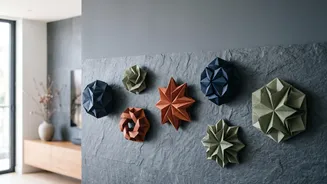
clean geometric lines, structural beauty, and minimalist appeal. Far from being just a craft, origami wall art can transform a plain wall into a textured, dynamic focal point, adding depth and character without overwhelming a space. It represents a fusion of traditional craftsmanship and contemporary style, turning a simple sheet of paper into a three-dimensional work of art.
The Allure of Affordability
One of the most compelling aspects of origami wall art is its low cost. In a world of expensive prints and canvases, this craft offers a stylish alternative that is accessible to nearly everyone. The primary material is paper, and the tools required are minimal, often items you already own. You can create a large, impactful art piece for a fraction of the cost of a store-bought decoration. This makes it an ideal solution for students, renters, or anyone looking to decorate on a tight budget without sacrificing style. The affordability also allows for seasonal changes or updates whenever you feel inspired.
Your Simple Toolkit
Getting started with origami decor requires very few supplies. The most essential item is paper. 'Kami' paper is the most common type, known for being thin, easy to fold, and available in countless colours and patterns, making it perfect for beginners. For a more traditional and textured look, 'washi' or 'chiyogami' papers offer beautiful, intricate designs. Beyond paper, you might want a ruler and a cutting mat for precise squares, although many paper packs come pre-cut. To mount your creations, simple options like double-sided tape, removable adhesive strips, or a piece of foam board and glue are all you need.
Beginner Folds with Big Impact
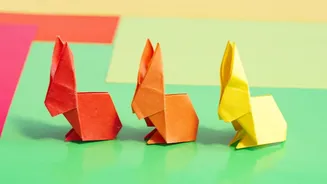
You don’t need to be an origami master to create stunning wall art. Many beginner-friendly models look fantastic when grouped. Simple geometric shapes like triangles, diamonds, or hexagons can be arranged into a striking mosaic. Another popular option is creating modular origami, where you fold multiple identical units and interlock them to form a larger, more complex piece. Butterflies, simple flowers, and fans are also excellent starter projects. Tutorials for these basic folds are widely available online, with many projects taking 15 minutes or less to complete.
Designing Your Wall Display
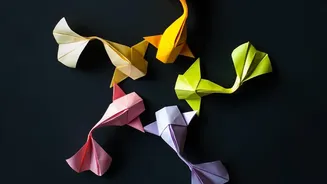
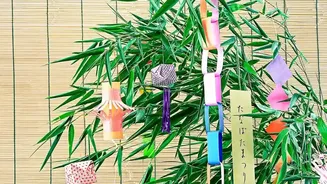
Once you have your folded pieces, the creative fun of arranging them begins. For a dramatic statement, you can create an origami mural, like a flock of birds flying across the wall or a cascade of paper flowers. Another elegant solution is framing your favourite models in shadow boxes, which protects the delicate paper and gives the art a professional, museum-quality look. For a more modern, minimalist vibe, arrange geometric units on a piece of foam board or cardboard, which can then be hung as a single panel. You can also create mobiles or garlands to add a sense of movement and whimsy to a room.
A Mindful and Personal Touch
Beyond its decorative qualities, the act of folding paper itself is a benefit. Origami requires focus and patience, making it a meditative activity that can help reduce stress and calm a busy mind. The process encourages mindfulness and creativity, allowing you to disconnect from daily pressures. Creating something beautiful with your own hands adds a deeply personal touch to your home. Each piece tells a story of the time and care you invested, resulting in decor that is not only visually appealing but also meaningful.