

A Morning Ritual: The Legendary Harisa
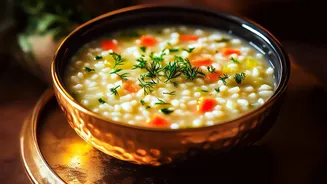
A winter expedition into Kashmiri cuisine must begin at dawn with a quest for Harisa. This is not just a dish; it's a cherished winter tradition. Imagine a rich, creamy pottage of mutton, rice, and lentils, slow-cooked overnight in enormous clay pots
until the meat dissolves into a smooth, porridge-like consistency. The process is laborious, requiring constant stirring and patience, a craft perfected by generations of 'harisa-gour' (Harisa makers). Served steaming hot in the early morning, topped with sizzling, fragrant mustard oil and accompanied by a fresh 'kandar-czot' (Kashmiri bread), Harisa is the ultimate winter warmer. It’s a meal that requires commitment—both from the one who cooks it and the one who braves the frosty morning air to taste it at its freshest in the bustling old city markets of Srinagar.
Wazwan Warmers for the Cold
While the grand Kashmiri feast, Wazwan, is a year-round affair, some of its most beloved dishes truly shine in winter. These aren't just meals; they are complex symphonies of flavour designed to fortify against the cold. Consider Gushtaba, the final and most revered dish of the feast. It consists of large, velvety meatballs made from finely pounded mutton, simmered in a fragrant, yoghurt-based gravy called Yakhni. The texture is incredibly soft, melting in the mouth with a delicate, spiced flavour. Rogan Josh is another winter hero; a slow-cooked lamb curry that gets its iconic deep red colour from local Kashmiri chillies and the flower of the cockscomb plant. It's an aromatic, warming dish where the meat becomes incredibly tender as it stews in a yoghurt-based gravy infused with fennel and ginger. These dishes are the heart of Kashmiri hospitality and a delicious defense against the biting cold.
The Bounty of the Land and Lake
Winter in Kashmir also celebrates a unique array of vegetables. With fresh produce being scarce, locals have mastered the art of using sun-dried vegetables and hardy winter crops. 'Hokh Syun'—dried vegetables like tomatoes (Ruwangan Hachi) and bottle gourd (Al Hachi)—are rehydrated and cooked into hearty curries. But two fresh staples stand out: Nadru (lotus stem) and Gogji (turnip). Nadru, harvested from the frozen Dal Lake, has a distinct, crunchy texture and is used in dishes like the delicate Nadru Yakhni, where it's cooked in a yogurt gravy. A popular winter combination is Gogji Nadru, a simple but flavourful curry that brings together the earthy sweetness of turnips and the crispness of lotus stem. These humble dishes, cooked simply with mustard oil and spices, connect the diner to the very soil and water of Kashmir.
A Sip of Comfort: Kehwa and Sheer Chai
No Kashmiri meal, or day, is complete without tea. In winter, these beverages are essential rituals of warmth and hospitality. The most famous is Kehwa, a beautiful, golden-green tea brewed with saffron strands, cinnamon, cardamom, and slivered almonds. Traditionally prepared in a copper kettle called a Samovar, Kehwa is sweet, aromatic, and deeply warming—a perfect antidote to a snowy afternoon. The other daily staple is Sheer Chai, also known as Noon Chai. This is a unique, savoury pink tea made by brewing green tea leaves with a pinch of baking soda, which gives it its signature colour. Salt and milk are then added, creating a creamy, salty, and restorative drink that is an acquired but deeply loved taste. Often enjoyed with local breads like girda or kulcha, it’s a social lubricant and a source of constant comfort.