







From Concrete Jungles to Green Oases
Something green is growing in the heart of urban India. In cities like Mumbai, Delhi, and Bengaluru, where space is the ultimate luxury, residents are finding ingenious ways to connect with nature. This isn't your grandmother’s sprawling backyard garden.
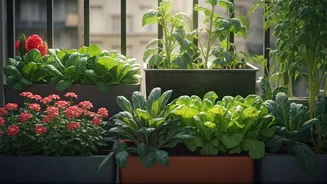
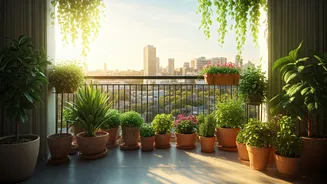
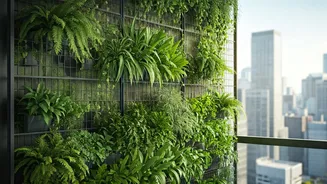
This is a new wave of urban horticulture, thriving in containers on balconies, in vertical arrangements on walls, and in small pots lining apartment windows. Online nurseries have reported a significant surge in demand for indoor plants, seeds, and gardening tools, particularly over the last few years. Social media feeds are blooming with pictures of monsteras, fiddle-leaf figs, and fledgling tomato plants, shared by proud city-dwellers. The trend signifies a collective yearning to bring a slice of the natural world into the dense, fast-paced environment of the modern Indian metropolis.
The Pandemic's Enduring Green Legacy
While interest in home gardening was simmering for a while, the COVID-19 pandemic turned up the heat. Confined to their homes during lockdowns, many urbanites felt a pressing need to revitalise their living spaces and find meaningful, screen-free activities. Gardening offered a perfect solution. It provided a tangible, nurturing project that yielded visible results, offering a sense of control and purpose during a period of intense uncertainty. The simple act of tending to a plant—watering it, watching it grow, and maybe even harvesting its produce—became a powerful antidote to anxiety and boredom. This forced reconnection with our immediate surroundings made many realise the profound impact a little bit of green could have on mental well-being, a lesson that has stuck long after the lockdowns have ended.
More Than Just a Pretty Plant
The psychological benefits are a huge driver of this green affair. Experts point to biophilia—the innate human tendency to seek connections with nature—as a core reason. In an urban setting, this connection is often severed. Gardening helps restore it. The practice is inherently mindful; it requires patience, observation, and a gentle rhythm that contrasts sharply with the frantic pace of city life. For many, it's a form of moving meditation that reduces stress and improves focus. The satisfaction of seeing a seed sprout or a flower bloom provides a deep, primal sense of accomplishment. It’s a low-cost, high-reward activity that nourishes the soul just as much as it beautifies a home, making it an essential wellness practice for a new generation.
The Rise of the 'Plant Parent'
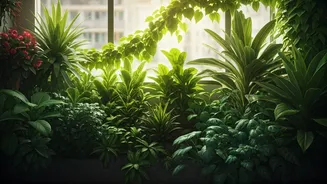
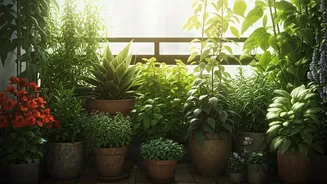
This movement is being championed by a new demographic: millennials and Gen Z. Forsaking the traditional markers of adulthood for which they may not have the financial means, many young urban Indians have embraced the role of the 'plant parent'. They lovingly care for their 'plant babies', learn their specific needs, and connect with a vast online community to trade tips and celebrate new leaf growth. This term, once a social media quirk, now represents a genuine emotional investment. For those living in compact city apartments, often far from family, plants offer a form of companionship and a responsibility that is fulfilling without being overwhelming. This demographic is also driving the aesthetic side of the trend, turning plants into key elements of interior design and creating picture-perfect 'urban jungles' that inspire others to join in.
A Small Step Towards Sustainability
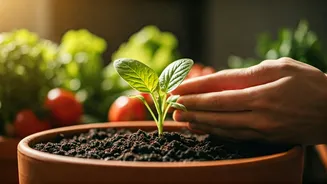
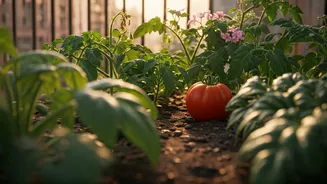
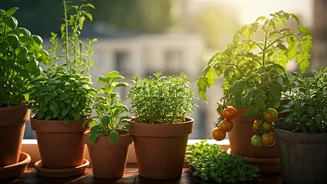
Beyond aesthetics and wellness, the gardening boom also taps into a growing consciousness about sustainability. Even a small balcony garden can make a difference. Many are starting with simple herb gardens, growing their own mint, coriander, and basil, which reduces food miles and plastic packaging. Others are experimenting with growing vegetables like tomatoes, chillies, and spinach in containers. This practice, often called micro-farming, fosters a deeper appreciation for where food comes from and the effort it takes to grow it. It's a small but powerful statement about self-sufficiency and a desire to live a more eco-friendly lifestyle, one home-grown tomato at a time.