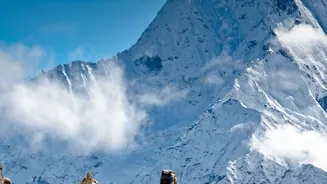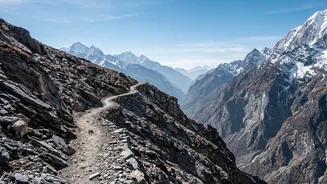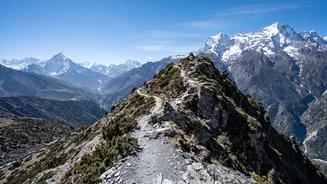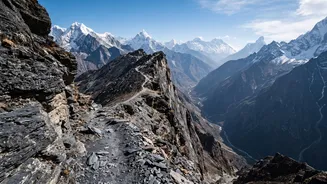

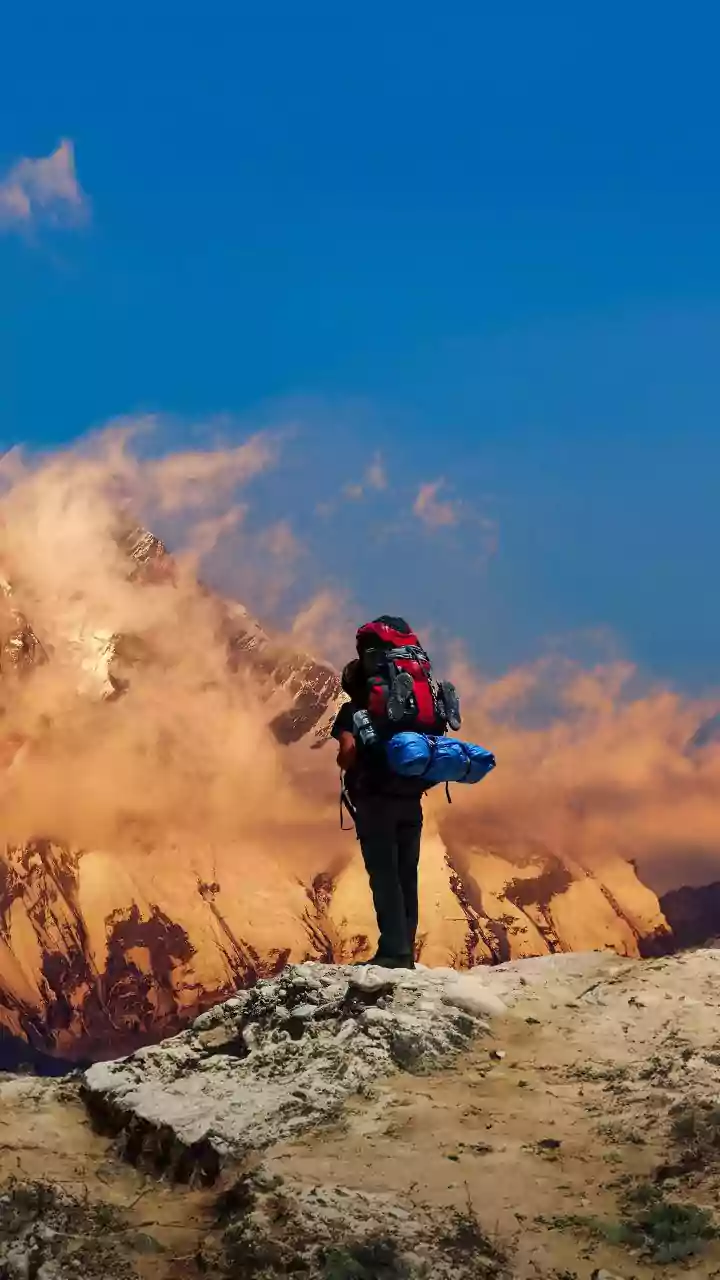
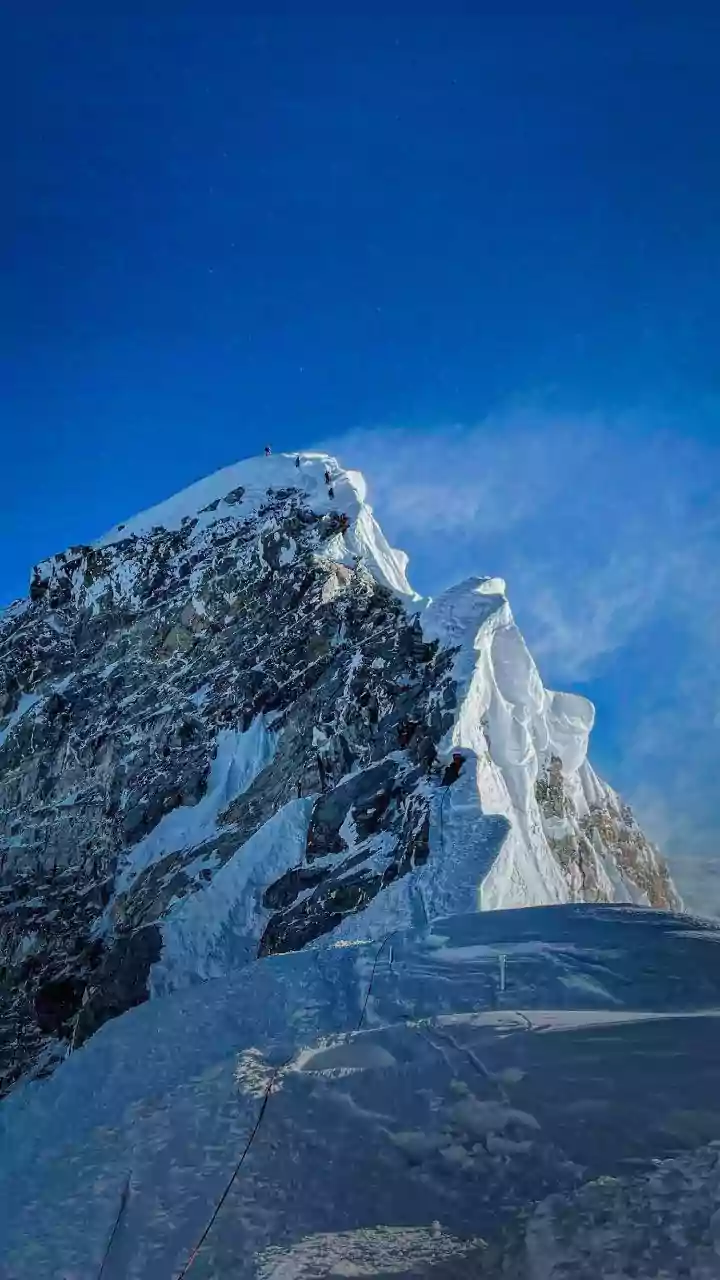
The Incident Sparking Concern
While specific details of the latest incident are based on local media reports, the pattern is becoming familiar. Trekkers, eager for solitude or looking to save costs, attempt to hike in restricted or challenging areas without the proper permits or,
more critically, without a licensed local guide. In many recent cases, this has led to authorities intervening, imposing fines, and in some instances, cancelling trekking permits. These actions are part of a broader, more stringent approach Nepal is taking to regulate its most famous natural asset, driven by a desire to protect both tourists and the delicate mountain environment. The days of freely wandering off the beaten path are officially over, and the trekking community is being forced to adapt.
Why Nepal Is Cracking Down
The Nepalese government's policy shift isn't arbitrary. It's a direct response to a tragic history of accidents, disappearances, and expensive, high-risk rescue operations. For years, solo trekkers went missing in the vast wilderness of the Himalayas. Locating them, often in treacherous weather, puts rescue teams in peril and incurs enormous costs. Officials have argued that the mandatory guide rule is primarily a safety measure. A licensed guide is not just a navigator; they are trained in first aid, understand the risks of altitude sickness, and are familiar with the terrain and weather patterns. Their presence is intended to minimise mishaps and ensure that in an emergency, help is immediately at hand. The crackdown is an attempt to professionalise the trekking industry and move away from a high-risk, low-regulation model.
The New Rules: What Trekkers Must Know
For anyone planning a trek in Nepal, understanding the current regulations is non-negotiable. The most significant change, implemented in 2023, is the ban on independent or solo trekking in almost all national parks. Trekkers are now required to hire a government-licensed guide through a registered trekking agency. Furthermore, all trekkers must obtain a Trekkers' Information Management System (TIMS) card before starting their journey. This system helps authorities track hikers' general whereabouts for their safety. You will also need specific permits for the national park or conservation area you plan to enter, such as the Annapurna Conservation Area Permit (ACAP) or the Sagarmatha National Park permit for the Everest region. Attempting to bypass these requirements is what leads to the penalties being reported.
The Consequences of Ignoring the Rules
So, what happens if you get caught? The penalties can range from a simple warning to more severe consequences. Trekkers without the proper permits or a guide can be denied entry at checkpoints along the trail. They may face significant fines, which can be several times the cost of the permits themselves. Perhaps the most critical and often overlooked consequence is that your travel insurance may be voided. Most insurance policies will not cover accidents or medical emergencies if you were engaged in an illegal activity, which now includes trekking without a guide in designated areas. This could leave you liable for the full, often astronomical, cost of a helicopter rescue and medical treatment. The financial risk alone makes compliance a far wiser choice.