





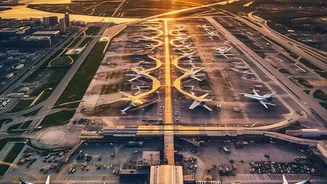


The 'Hub and Spoke' Strategy
The secret to dramatically cutting travel costs lies in treating your trip as two separate parts. Instead of booking a complex and expensive multi-city ticket from the United States, you book one simple, round-trip flight to a major Southeast Asian transportation
hub. This is your long-haul flight. Once there, you use that city as your base. From this 'hub,' you can book incredibly cheap, separate, one-way flights on regional low-cost carriers to your desired 'spoke' destinations—think hopping from Bangkok to Phuket, Kuala Lumpur to Bali, or Singapore to Hanoi. This method breaks the expensive link between long-haul pricing and short-haul convenience, often saving you hundreds of dollars that are better spent on food, hotels, and experiences.
Choosing Your Gateway Hub
Your choice of hub city can define your trip's logistics. The three titans of Southeast Asian air travel are Bangkok (BKK), Singapore (SIN), and Kuala Lumpur (KUL). Bangkok is a fantastic, centrally located gateway to mainland Southeast Asia, perfect for trips that include Vietnam, Cambodia, and the rest of Thailand. Singapore's Changi Airport (SIN) is consistently ranked as one of the world's best, offering unparalleled connectivity and a slightly more premium experience; it's a great launchpad for trips to Indonesia and Malaysia. Finally, Kuala Lumpur (KUL) is the home base of AirAsia, the region's largest budget airline, making it arguably the best hub for the most cost-conscious travelers looking to maximize their reach across the entire region. Flying into one and out of another can also be a cost-effective strategy.
Meet the Budget Airline All-Stars
The magic of the hub-and-spoke strategy is powered by a fiercely competitive network of low-cost carriers (LCCs). AirAsia is the undisputed giant, with a massive route map connecting dozens of cities. Singapore’s homegrown budget carrier is Scoot, a subsidiary of Singapore Airlines, known for slightly larger planes and a strong on-time record. Other major players include VietJet Air in Vietnam, Lion Air in Indonesia, and Cebu Pacific in the Philippines. These no-frills airlines routinely offer one-way fares between countries for well under $100, and sometimes for as little as $30-$50 if booked in advance or during a sale. They unbundle their fares, meaning you pay a low base price and add only what you need.
A Savvy Traveler’s Checklist
This strategy requires a bit more hands-on planning, but the savings are worth it. First, remember you are booking separate tickets. This means you are responsible for transfers. Always leave a generous buffer—at least three to four hours—between your international arrival and your regional departure, as you will likely need to clear immigration, collect your bags, and check in again. Second, pay close attention to baggage rules. LCCs make their money on ancillary fees. Your carry-on allowance may be strictly enforced (often around 7kg), and it's always cheaper to purchase checked baggage online in advance rather than at the airport. Finally, double-check visa requirements for each country on your itinerary. While many Southeast Asian nations offer visa-free entry for U.S. citizens for short stays, policies can vary.