







Why Context Is King
Calcium is essential for life. About 99% of it is stored in our bones and teeth, providing their structure. The other 1% is vital for our blood to clot, muscles to contract, and heart to beat. Our bodies can't produce calcium, so we must get it from our diet.
When we don't get enough, the body takes it from our bones, which can lead to weakened bones and osteoporosis over time. However, simply consuming more calcium isn't always the answer. The belief that 'more is better' can be misleading and sometimes risky. The effectiveness and safety of calcium intake depend heavily on two things: its source (food or supplement) and your individual medical situation.
The Food-First Approach
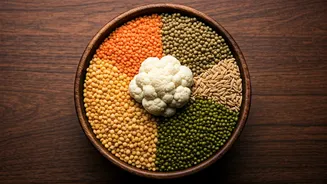
The best source of calcium is, overwhelmingly, your food. Calcium from dietary sources is absorbed more gradually and effectively by the body. This is partly because food provides a package of other nutrients that aid in absorption and bone health, such as protein, magnesium, and phosphorus. In India, many traditional foods are excellent sources. While dairy like milk, curd (yoghurt), and paneer are well-known, many plant-based foods are also powerhouses. Ragi (finger millet) contains more calcium per 100g than milk. Sesame seeds (til), moringa (drumstick leaves), amaranth leaves, and legumes like horse gram are also incredibly rich in this mineral. Eating a varied diet that includes these foods is the foundation of good bone health.
The Supplement Question: Handle with Care
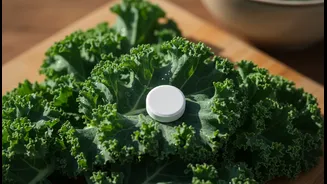
Calcium supplements have a role, but they are not a simple substitute for a healthy diet. They can be necessary for individuals who cannot meet their needs through food, such as those with lactose intolerance, certain digestive disorders, or who follow a strict vegan diet. However, supplements deliver a concentrated dose of calcium that can have unintended consequences. Some studies have linked high-dose calcium supplementation with an increased risk of kidney stones and potential cardiovascular issues. The risk appears to be higher with supplements than with calcium from food. If supplements are needed, it's often recommended to take them in smaller doses (under 500 mg at a time) with meals to improve absorption and reduce risks.
The Vitamin D Partnership
Calcium doesn't work in isolation. Its absorption from the intestine is critically dependent on Vitamin D. Without enough Vitamin D, you could have a calcium-rich diet, but your body wouldn't be able to use it effectively, absorbing as little as 10-15%. Vitamin D deficiency is widespread in India, making this a crucial piece of the puzzle. Your body produces Vitamin D from sun exposure, but it's also found in fatty fish, egg yolks, and fortified foods. For many, supplementation of Vitamin D, under a doctor's guidance, is necessary to ensure the calcium they consume can do its job.
Your Personal Medical Blueprint
Your specific health profile determines your calcium needs. Age, gender, and life stage are key factors. Children, teenagers, pregnant women, and older adults all have increased requirements. Postmenopausal women, for example, experience accelerated bone loss and may need more calcium. Certain medical conditions also change the equation. People with kidney disease need to be very careful with calcium intake. Issues with the parathyroid glands, which regulate calcium in the blood, can lead to dangerously high (hypercalcemia) or low (hypocalcemia) levels. Digestive disorders that impair nutrient absorption can also necessitate a specific plan. This is why a one-size-fits-all recommendation for calcium is ineffective and potentially harmful.
Framing the Doctor's Visit
Instead of self-prescribing high-dose supplements, the best step is to talk to your doctor. They can assess your risk factors, check your Vitamin D levels, and if necessary, order a bone density scan. Based on this complete picture, a healthcare professional can give you personalised advice. Questions to ask include: 'Am I getting enough calcium from my diet?', 'Do I need a Vitamin D test?', and 'Based on my health and age, are supplements safe and necessary for me?'. This collaborative approach ensures you're supporting your bones safely and effectively, moving beyond generic advice to a strategy that’s right for your body.