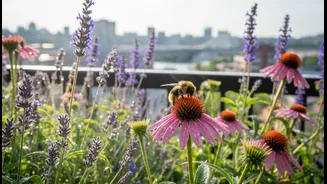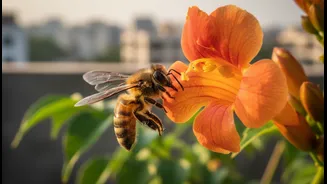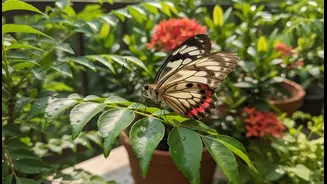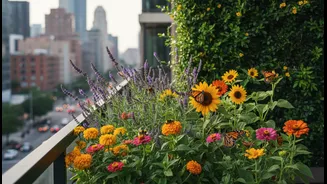




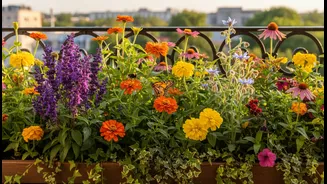
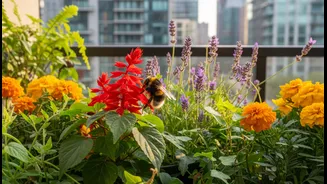
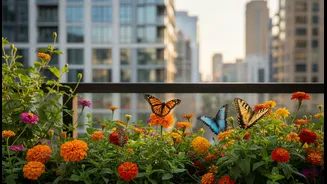


A Buzz in the Concrete Jungle
Across India's metropolises, a new trend is taking root. Urban gardeners are moving beyond just ornamental plants and are actively cultivating spaces designed to attract and support pollinators like bees, butterflies, and birds. This shift from simple
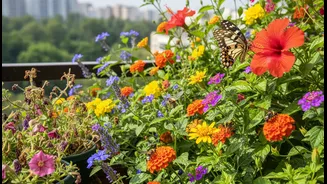
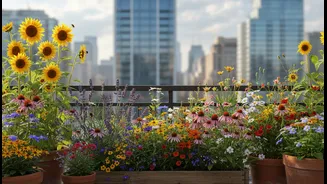
potted plants to vibrant 'pollinator balconies' reflects a growing awareness of the crucial role these creatures play in our ecosystem. In cities like Bangalore, what starts as a vegetable patch quickly reveals the importance of these tiny helpers for a successful harvest. This trend is not just about personal satisfaction; it's about transforming small urban spaces into lively, functional ecosystems that contribute to local biodiversity.
Why Our Cities Need Pollinators
Pollinators are essential for our food security and the health of our environment. They are responsible for the reproduction of a vast majority of flowering plants, including many of the fruits and vegetables we eat. Globally, about 75% of food crops benefit from animal pollination. In India, however, these vital partners are in decline. Factors like habitat loss due to rapid urbanisation, deforestation, and the widespread use of pesticides are threatening bee and butterfly populations. Studies have shown startling declines in native bee species, which directly impacts crop yields from coffee in Karnataka to cucumbers in Odisha. The decline of these tiny workers is a silent crisis that affects everything from farm incomes to the nutritional value of our food.
Create Your Own Pollinator Paradise
The good news is that you can make a real difference, even with limited space. Turning a balcony or a small patch into a pollinator-friendly garden is a rewarding way to support local wildlife. The key is to provide the essentials: food, water, and shelter. Creating these 'pollinator hot spots' helps bridge the gaps for these creatures as they navigate the concrete jungle. A well-planned pollinator garden not only supports bees and butterflies but also attracts beneficial insects like ladybugs, which are natural predators of common garden pests, reducing the need for chemical interventions. The goal is to create a mini-ecosystem that provides resources throughout the year.
Planting for a Buzz
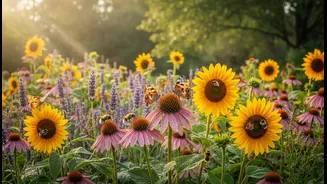
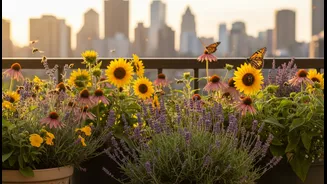
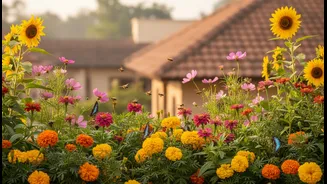
The foundation of any pollinator garden is a diverse selection of nectar-rich, native plants. Native species are ideal because they are adapted to the local climate and have co-evolved with local pollinators. Aim for variety in flower colour, shape, and size to attract a wide range of insects. It's also crucial to have plants that bloom at different times of the year to provide a continuous food source. For Indian balconies, some excellent choices include: Marigold (Genda): These bright, easy-to-grow flowers are a magnet for bees and butterflies and are very tolerant of Indian climate conditions. Jasmine (Chameli): Its fragrant flowers are a favourite of moths and other nocturnal pollinators. Holy Basil (Tulsi): This sacred plant is not just for your tea; its small flowers are highly attractive to tiny native bees. Butterfly Pea (Aparajita): This fast-growing climber produces beautiful blue flowers that are, as the name suggests, loved by butterflies. * Sunflowers (Surajmukhi): Their large flower heads provide a feast of nectar and pollen for bees.
Beyond the Blooms
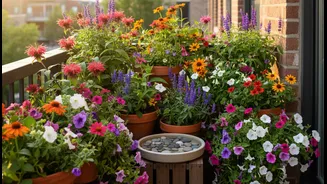
A complete pollinator habitat offers more than just flowers. Providing a shallow dish of water with pebbles or marbles for insects to land on can be a lifesaver on hot days. It's also critical to avoid using pesticides, as these chemicals are highly toxic to bees and other beneficial insects. Let some of your herbs, like basil or mint, go to flower; they are excellent nectar sources. You can also provide shelter by creating 'bee hotels' from bundles of hollow reeds or by simply leaving a small pile of twigs and leaves in a corner. These simple additions can make your garden a true sanctuary.