

Understanding High-Altitude Sickness
High-altitude sickness, or Acute Mountain Sickness (AMS), occurs when your body can't get enough oxygen from the air at high elevations. Think of it as a severe, altitude-induced hangover. Symptoms typically include a persistent headache, nausea, dizziness,
fatigue, and trouble sleeping. While mild AMS is common, ignoring the symptoms and continuing to ascend can lead to life-threatening conditions. These are High-Altitude Pulmonary Edema (HAPE), where fluid builds up in the lungs, and High-Altitude Cerebral Edema (HACE), which involves swelling of the brain. Both are medical emergencies that require immediate descent and medical attention.
The Route's Unique Altitude Challenge
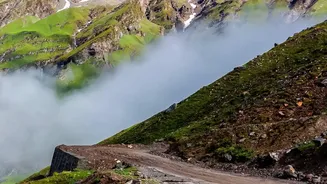
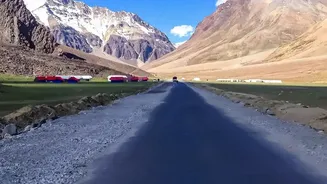
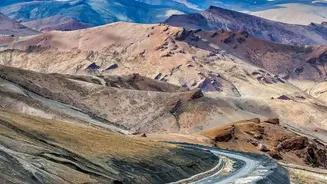
The Manali-Leh highway is notorious for its dramatic and rapid elevation changes. You start in the lush green of Manali at around 6,700 feet and aim for Leh, which sits at about 11,500 feet. Along this 475-kilometre stretch, you don't just climb steadily; you traverse multiple high-altitude passes, including Baralacha La (16,500 feet) and Tanglang La (17,480 feet). This roller-coaster of altitudes doesn't give your body much time to adapt to the thinning air. Unlike flying into Leh, where a mandatory 48-hour rest period is advised, road-trippers often feel a false sense of security and push on too quickly, leading to trouble.
The Common Mistake: Rushing to Sarchu
A typical two-day travel plan involves an overnight halt at Sarchu. On paper, it seems logical as it breaks the journey in half. In reality, it's a dangerous gamble. Sarchu lies at a dizzying 14,070 feet. To go from the relative comfort of Manali to sleeping at over 14,000 feet in just one day is a huge shock to the system. This massive jump in sleeping altitude is a primary trigger for severe AMS. Many travelers who make this mistake spend a miserable night battling headaches and nausea, while some develop more serious symptoms. The accommodation is limited to basic tents with no proper medical facilities, making it a risky place to fall ill.
The Smart Stop: Keylong or Jispa
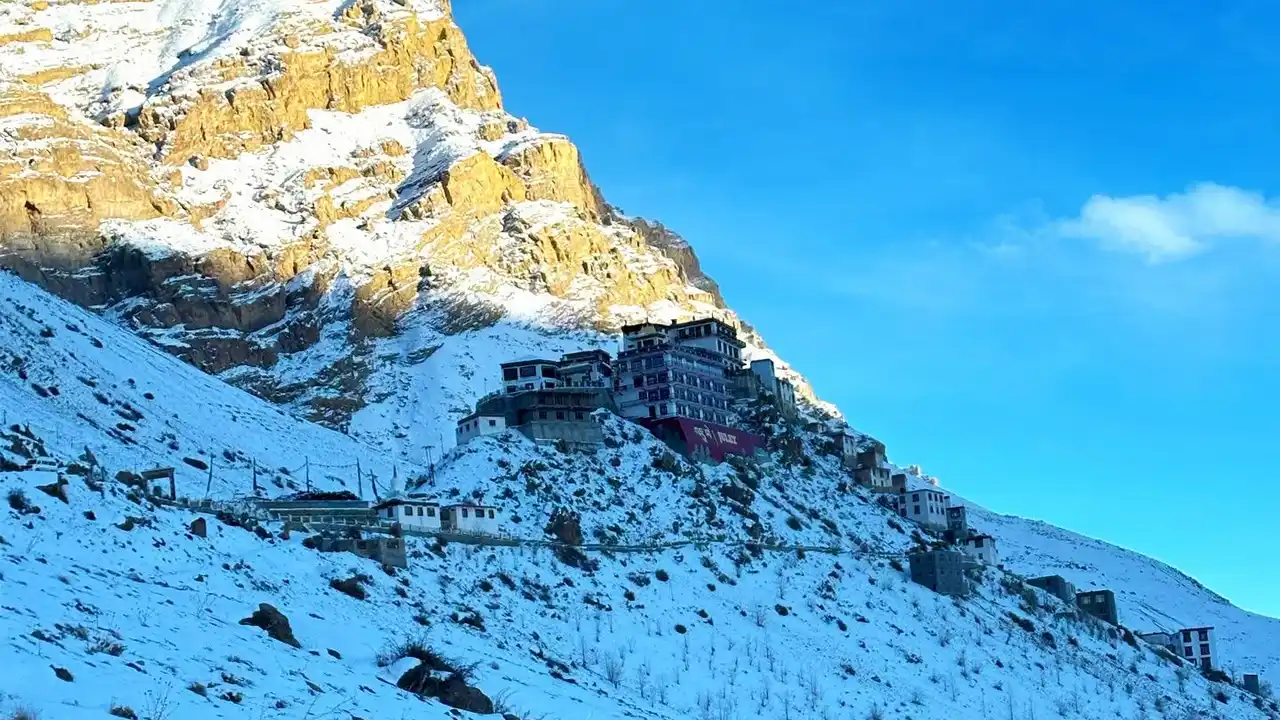
The key to safe acclimatisation is the principle of 'climb high, sleep low'. This is why experienced travelers and tour operators strongly recommend breaking your journey at either Keylong (10,100 feet) or Jispa (10,500 feet) for the first night. These locations are at a much more manageable altitude, allowing your body a crucial night to adjust before you tackle the higher passes the next day. Spending a night here makes the ascent far more gradual. You still get to drive over the high passes, but your body is better prepared to handle them. These towns also offer more comfortable hotels and guesthouses compared to the spartan tents of Sarchu.
Essential Acclimatisation Habits
Proper stops are the most important factor, but other habits can make a huge difference. Hydration is non-negotiable; aim to drink at least 3-4 litres of water daily. Avoid alcohol and smoking, as they can worsen AMS symptoms. Eat light, carbohydrate-rich meals and avoid over-exerting yourself, especially during the first couple of days. Walk slowly and listen to your body. If you develop a headache or feel nauseous, rest. Don't push through it. Some travelers consider medication like Acetazolamide (Diamox) for prevention, but this should only be taken after consulting a doctor, as it is not a cure and has side effects.