





The New Recipe for Comfort TV
In a world saturated with hyper-stylised content, audiences are increasingly drawn to what feels real. This desire for authenticity is reshaping food entertainment, moving the focus from flawless technique to heartfelt storytelling. [16, 17] A new wave
of content celebrates the connection, nostalgia, and warmth that come from a home kitchen. The latest and most compelling example of this is the mother-child cooking format, which has found a welcoming home on Indian streaming services. A recent show tapping directly into this sentiment is ZEE5's 'Maa Hai Na', which premiered on June 12, 2026. [2] Hosted by Shilpa Shetty Kundra, the reality show features celebrities teaming up with their mothers for a series of cooking challenges that prioritise connection over competition. [2, 8]
More Than Just a Cooking Show
Unlike traditional culinary contests, shows like 'Maa Hai Na' are less about winning and more about revealing the relationships behind the recipes. The format allows viewers a glimpse into the personal lives, childhood memories, and family traditions of the participants. [2] The appeal lies in its relatability; the playful arguments over ingredients, the emotional anecdotes, and the proud parent moments capture the essence of family dynamics in a way a scripted show cannot. [2, 8] It’s a tribute to the idea that a mother is often a person's first teacher and biggest supporter, a theme that resonates deeply with viewers. [2] This format proves that the story behind the food is often as satisfying as the dish itself.
A Cross-Generational Blend
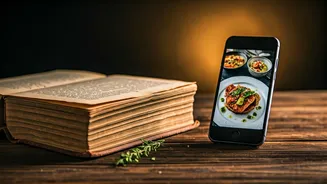
The mother-daughter or mother-child culinary partnership is not entirely new, but its arrival on major streaming platforms marks a significant moment. Years before this trend hit OTT, food writer Priya Krishna and her mother Ritu collaborated on the acclaimed cookbook “Indian-ish,” which chronicled the evolution of their family's recipes. [15] Their story highlighted a dynamic that is now playing out on screen: the mother as the anchor of tradition, and the daughter as the bridge to the modern world. This combination is potent. The mother brings generations of culinary knowledge and heritage, while the daughter often brings a contemporary palate and the social media savvy to frame these traditions for a new audience. [12, 19] This fusion of legacy and innovation is proving to be a recipe for success, creating content that feels both timeless and perfectly current. [11]
Why Authenticity is the Secret Ingredient
The success of this format is rooted in a powerful cultural shift. Audiences are tired of unattainable perfection and are instead seeking content that reflects their own lives. [16] Home cooks have become the new stars, and social media has made it possible for their authentic kitchen moments to go viral. [19] The mother-daughter duo is the perfect embodiment of this trend. Their interactions are unscripted, their recipes are often passed down through generations, and their connection feels genuine because it is. This is not just about observing; it’s about participation. These shows inspire viewers to connect with their own family histories and perhaps even step into the kitchen with their own parents. [14] In a digital age that can often feel isolating, this content serves as a powerful reminder of the bonds forged over shared meals.