


Beyond Butter Chicken and Biryani
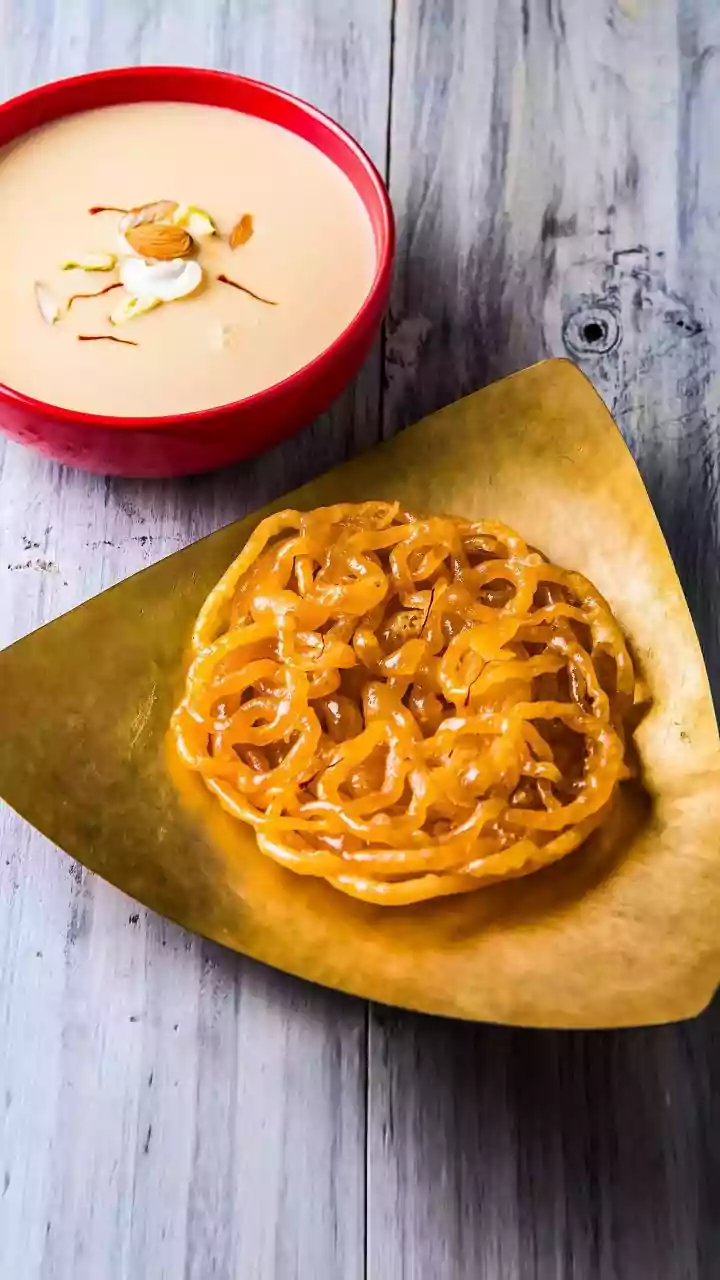
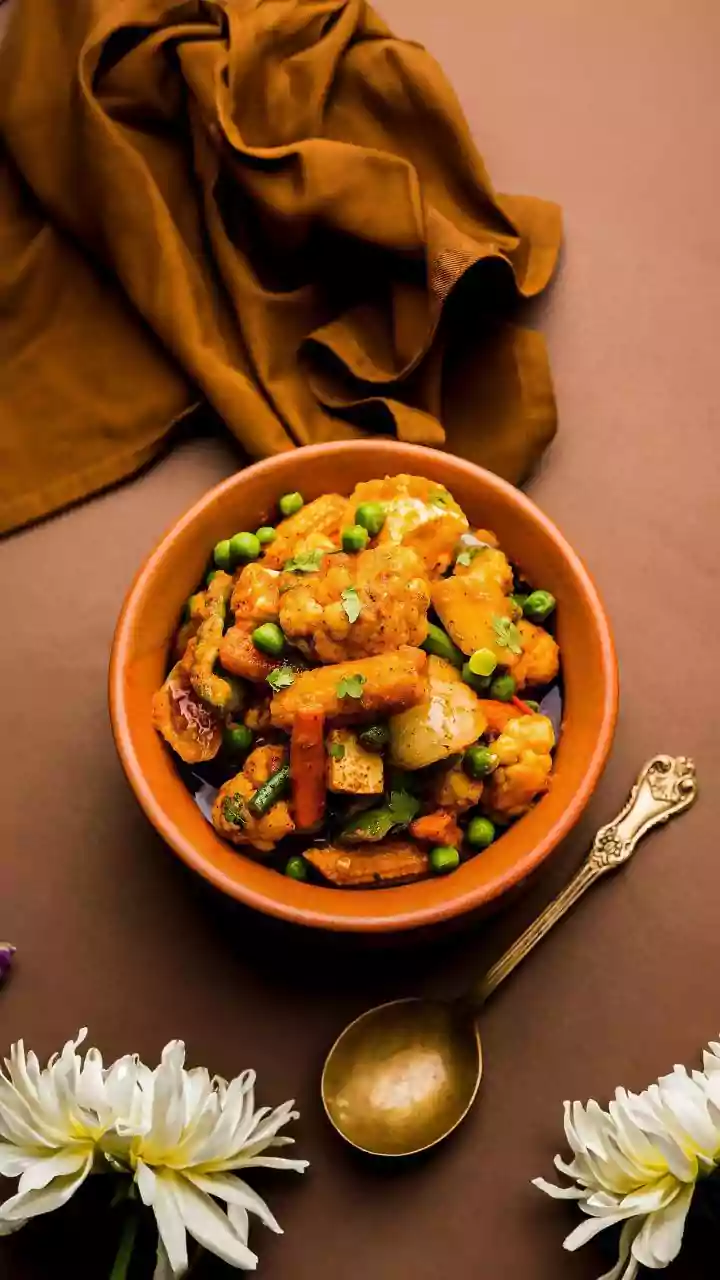
For decades, dining out in India often meant a predictable roster of dishes. Whether you were in Mumbai or Delhi, the menu likely featured a familiar cast: butter chicken, paneer tikka masala, dal makhani, and a handful of other North Indian staples.
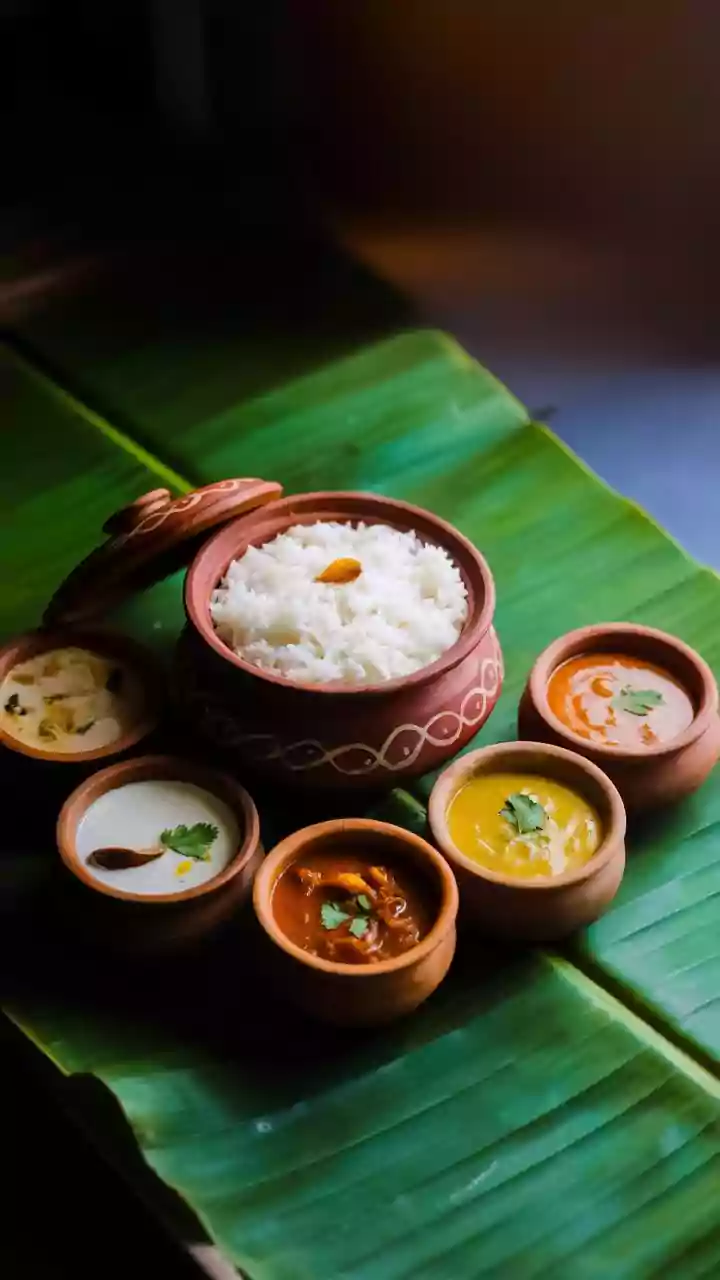
This was ‘Indian food’ as the world, and even much of India, knew it. But this homogenised version barely scratches the surface of the subcontinent's staggering culinary diversity. Now, a powerful movement is pushing back. Enter the hyperlocal menu, a concept that drills down past broad regional labels like ‘South Indian’ or ‘Bengali’ into the specific cuisines of a particular district, community, or even village. It’s about celebrating not just Kerala’s food, but the distinct flavours of the Mappila community within it; not just Maharashtrian food, but the rustic simplicity of Vidarbha cuisine.
Chefs as Culinary Archaeologists
This shift is being driven by a new generation of chefs who see themselves as custodians of culture as much as creators of dishes. They are travelling to remote villages, sitting in home kitchens, and poring over old family recipe books to unearth forgotten culinary traditions. Chefs like Thomas Zacharias, formerly of The Bombay Canteen, have championed micro-regional ingredients, while others have built entire restaurant concepts around a single culinary philosophy. For instance, restaurants might focus on the wood-fired cooking techniques of a specific tribe, the seasonal vegetables grown only in one valley, or the unique spice blends of a coastal hamlet. These chefs are not just cooking; they are acting as culinary archaeologists, painstakingly preserving flavours and techniques that were on the brink of being lost to the forces of globalisation and convenience.
A Plateful of Identity
The rise of hyperlocal food is deeply intertwined with a renewed sense of regional pride and identity. In a rapidly modernising India, there's a growing desire to connect with one's roots, and food is one of the most powerful ways to do so. A dish like Panchkuta, a Rajasthani curry made from five specific wild desert ingredients, is more than just sustenance; it’s a story of survival, climate, and culture. Serving it in an urban restaurant is a statement. It tells diners that the food of their grandparents, once dismissed as too ‘local’ or ‘simple’ for a fancy eatery, is worthy of celebration. This movement validates the diversity of India's food map, proving that every corner of the country has a rich and complex culinary story worth telling and, more importantly, tasting.
The Journey from Farm to Fork
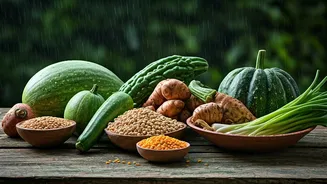
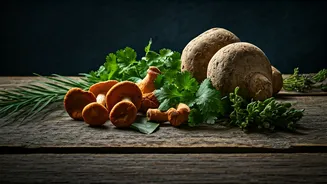
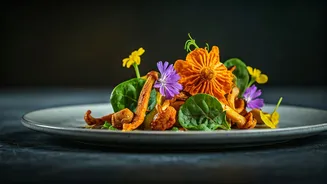
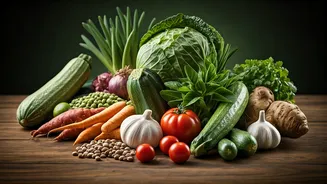
A truly hyperlocal menu cannot exist without a hyperlocal supply chain. This trend is forging new connections between urban restaurants and rural producers. Chefs are increasingly working directly with farmers to cultivate heirloom varieties of rice, source indigenous millets like foxtail and barnyard, and find markets for foraged greens and wild mushrooms that were previously only consumed locally. This has a powerful dual effect. For diners, it means fresher, more flavourful, and more nutritious ingredients on their plates. For farmers and small-scale producers, it creates a vital economic lifeline, giving them a premium market for crops that celebrate biodiversity rather than monoculture. It’s a sustainable model that benefits everyone, from the soil to the diner.