


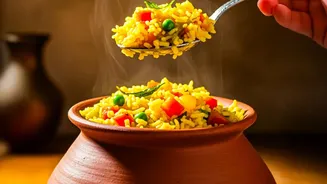
The Spark of Flavour: Understanding Tadka
The secret to unlocking incredible flavour often begins with a technique known as 'tadka' or tempering. This foundational method in Indian cuisine involves blooming whole or ground spices in hot oil or ghee. This process doesn't just fry the spices; it coaxes
out their essential oils, releasing their deepest aromas and flavours into the fat. This infused oil then becomes the flavour base for the entire dish. For a simple rice dish, a tadka featuring mustard seeds and curry leaves is a classic starting point, creating a foundation of aroma and texture that plain rice could never achieve on its own.
The Pungent Pop of Mustard Seeds
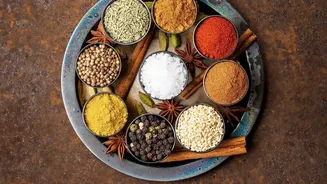
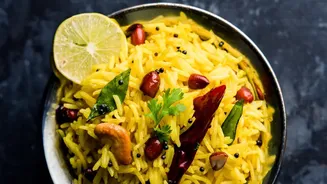
Those tiny black or brown spheres you see in South Indian dishes are mustard seeds, and they are masters of transformation. When dropped into hot oil, they begin to pop and crackle, a signal that they are releasing their pungent, nutty, and slightly earthy flavour. This process not only infuses the oil with a distinct taste but also adds a delightful textural crunch to the final dish. Unlike ground mustard, which provides a sharper heat, whole tempered mustard seeds offer a more rounded warmth and aroma. In dishes like lemon rice or tamarind rice, this crackling layer of flavour is essential, providing a savoury depth that complements the other ingredients.
The Irreplaceable Aroma of Curry Leaves
Often used alongside mustard seeds in a tadka, curry leaves are prized more for their incredible aroma than their taste alone. These glossy green leaves, when they hit hot oil, sizzle and release a complex fragrance that is uniquely savoury, with notes of citrus and a subtle nuttiness. This aroma is a hallmark of South Indian cooking. There is no real substitute for the flavour they impart. While dried curry leaves exist, fresh leaves offer a vastly superior and more potent fragrance. By frying them at the beginning of the cooking process, their essence permeates the oil, ensuring that every grain of rice is perfumed with their distinctive and appetising scent.
The Tangy Heartbeat: Tamarind's Sweet-Sour Magic
While mustard seeds and curry leaves build the aromatic base, tamarind provides the soul. Derived from the pulp of a pod-like fruit, tamarind delivers a complex sweet and sour taste that is fundamental to many Indian dishes, especially in the South. Unlike the bright, sharp acidity of a lemon, tamarind offers a deeper, fruitier tang that provides a rich counterpoint to the spices. In a dish like 'puliyogare' (tamarind rice), a paste made from tamarind extract is cooked down with spices and then mixed with cooked rice. This not only seasons the rice but also coats each grain in a glossy, flavourful sauce, balancing the pungency of the tadka with its signature sweet and tangy character.
A Symphony of Flavours
Separately, each of these ingredients is powerful. Together, they create a symphony of flavour that elevates a simple bowl of rice into a complete and satisfying meal. Imagine a dish of tamarind rice: the foundation is the pop of mustard seeds and the fragrance of curry leaves from the tadka. Then, the rich, dark, sweet-sour tamarind paste is introduced, coating the rice and providing a tangy body. Often, a touch of jaggery is added to balance the sourness of the tamarind, and roasted peanuts or lentils are included for crunch. The result is a dish with layers of texture and taste—aromatic, pungent, tangy, sweet, and savoury all at once. It’s a perfect illustration of how just three core ingredients can work in harmony to create something truly special from the most basic of staples.