


The Foundation of Navratri Fasting
Navratri fasting is a tradition observed to honour Goddess Durga, focusing on a 'sattvic' or pure diet that helps cleanse the body and mind. This means avoiding foods that are considered 'tamasic' or heavy, such as onion, garlic, regular grains, and non-vegetarian
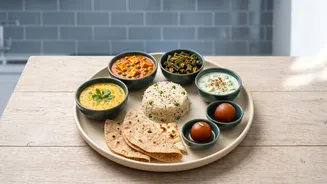
items. The diet primarily consists of fruits, dairy products, certain vegetables, and specific types of grains and flours that are easy to digest and provide sustained energy. The rules can vary slightly based on family and regional traditions, but the core principle is to consume light, natural foods that support spiritual reflection.
Permitted Grains and Pseudo-Grains
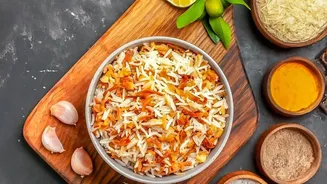
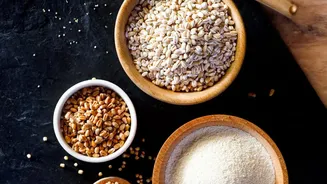
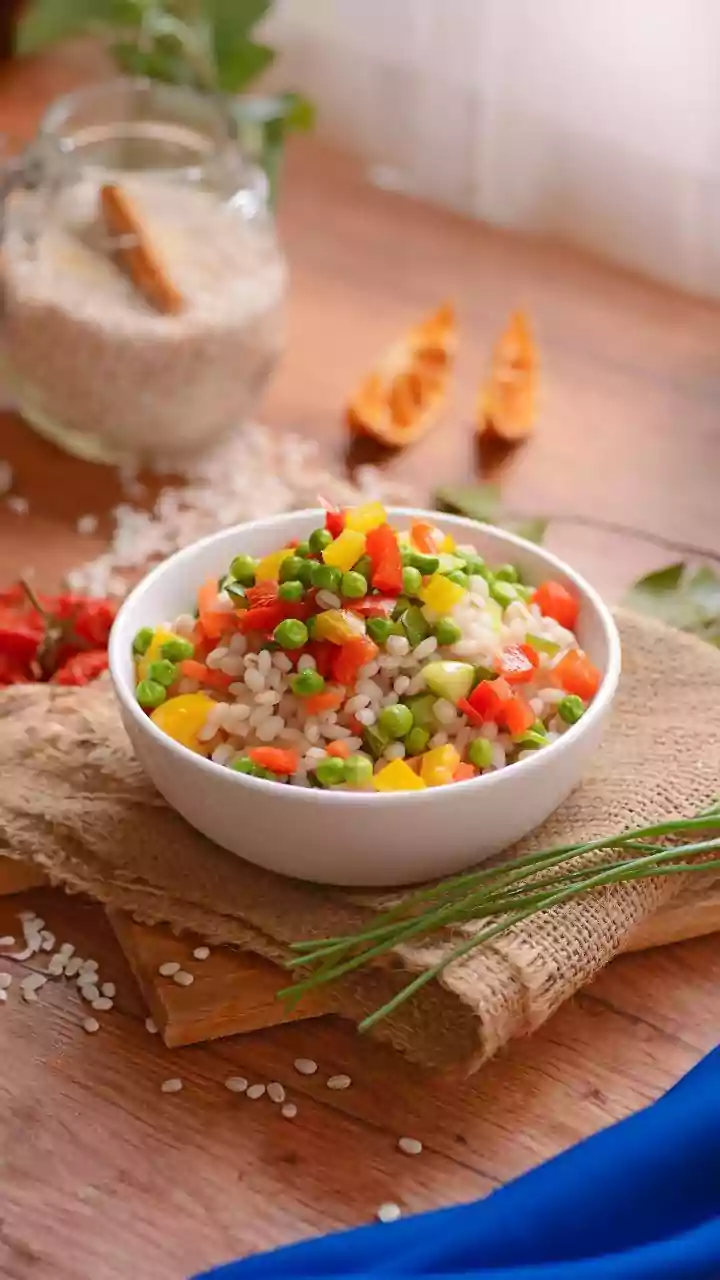
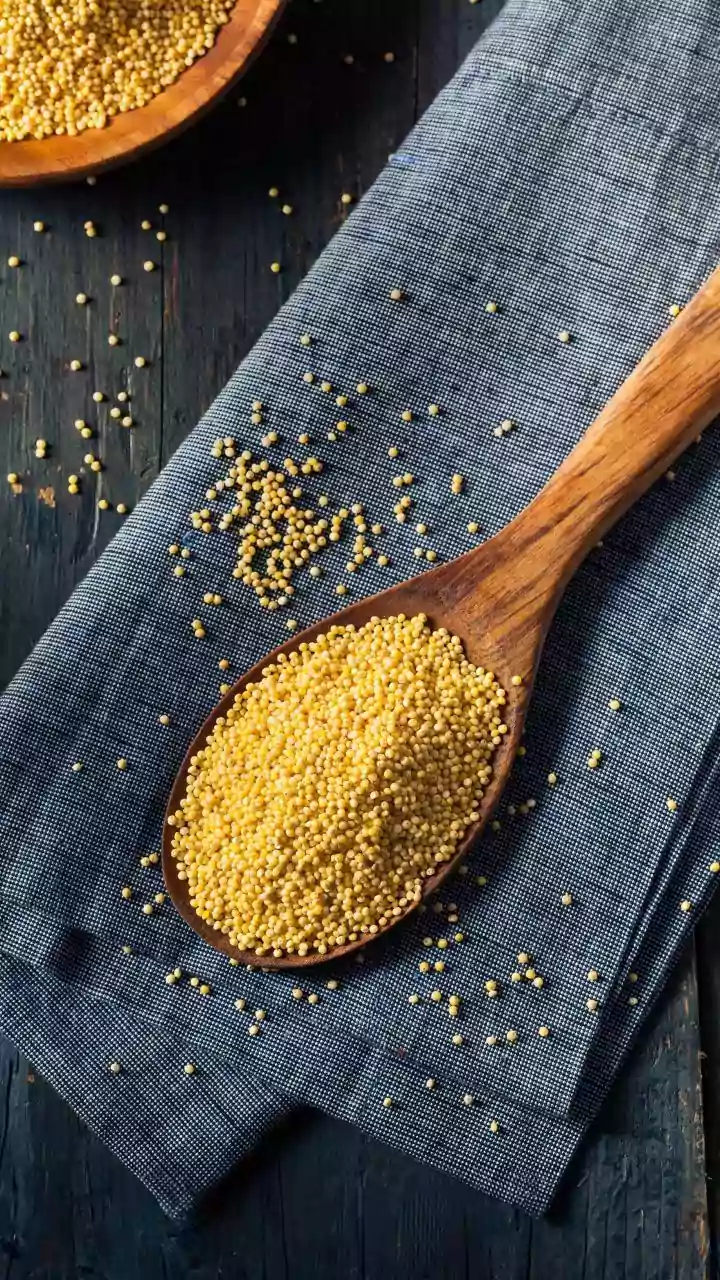
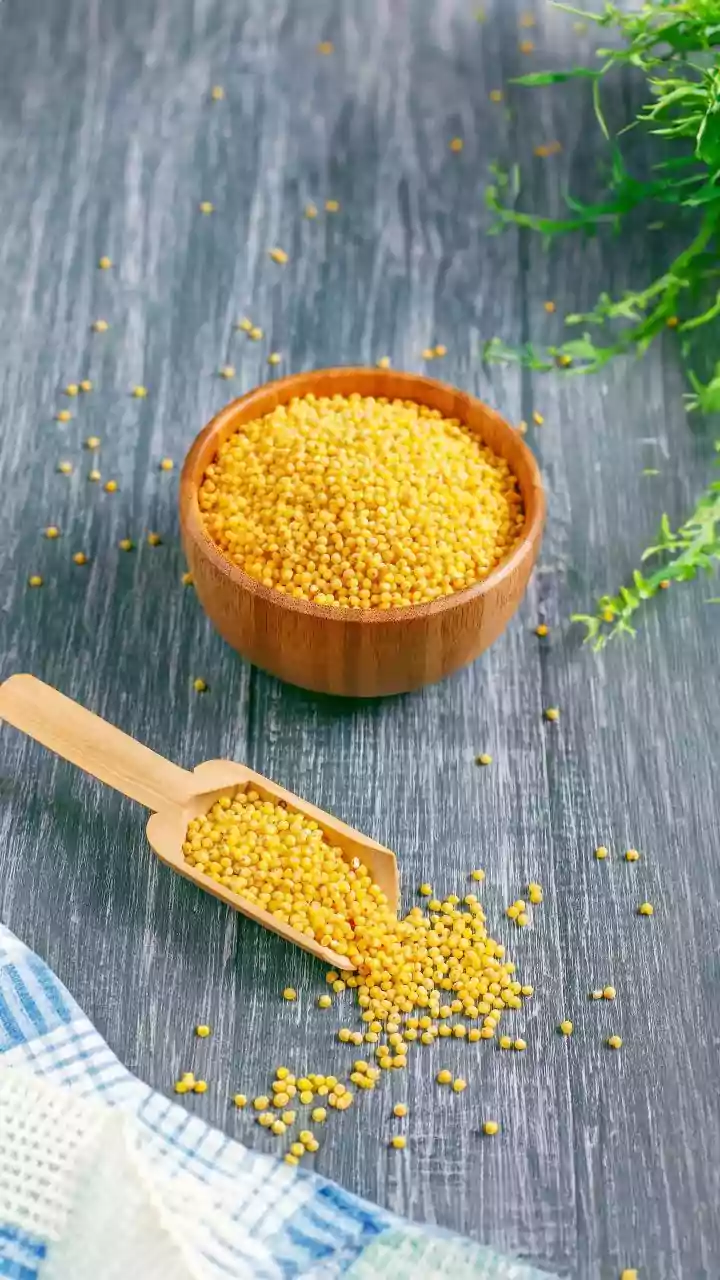
During Navratri, regular grains like wheat and rice are avoided. Instead, the focus shifts to a category of pseudo-grains and millets that are both nutritious and align with fasting rules. The most common options include: Samak ke Chawal (Barnyard Millet), which is a wonderful substitute for rice and can be used to make khichdi, pulao, and kheer. Rajgira (Amaranth) is a protein-rich option often used as whole seeds in porridges or laddoos. Sabudana (Tapioca Pearls) is a popular source of carbohydrates, perfect for making khichdi, vadas, and kheer that keep you feeling full and energised.
A Guide to Vrat-Friendly Flours
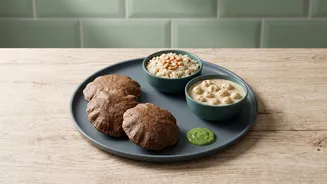
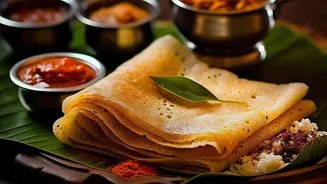
Creative cooking during Navratri revolves around a special set of flours. These gluten-free alternatives are used to make everything from rotis and puris to pancakes and pakoras. Kuttu ka Atta (Buckwheat Flour) is perhaps the most popular fasting flour, known for its rich, nutty flavour and high fibre content. Singhare ka Atta (Water Chestnut Flour) is another staple, prized for being light and easy to digest, making it ideal for soft rotis or as a thickener for curries. Rajgira ka Atta (Amaranth Flour) is packed with protein and calcium and is excellent for making parathas and laddoos. Some also use Sama Rice Flour (Barnyard Millet Flour) for its light texture.
Delicious and Healthy Snack Ideas
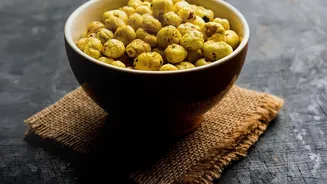
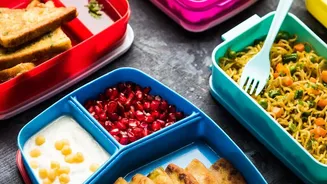
Fasting doesn't mean you have to give up snacking. There are many delicious and healthy options to keep hunger pangs at bay. Roasted Makhana (Fox Nuts) seasoned with rock salt and black pepper is a light, crunchy, and protein-rich snack. Fruit Chaat, made with a mix of seasonal fruits and a sprinkle of sendha namak, is refreshing and hydrating. Sabudana Vada, shallow-fried or air-fried, offers a classic savoury treat. For something sweet and satisfying, a Sweet Potato Chaat with lemon juice and mild spices is a great choice.
Foods and Ingredients to Avoid
To properly observe the fast, there is a list of foods that are strictly prohibited. This includes all regular grains such as wheat, rice, cornflour, and semolina (sooji). Lentils and legumes are also not consumed. In terms of flavourings, onion and garlic are avoided as they are considered tamasic. Regular table salt is replaced with Sendha Namak (rock salt). Additionally, all non-vegetarian food, eggs, and alcohol are strictly forbidden. It is also recommended to avoid heavily processed or packaged foods.